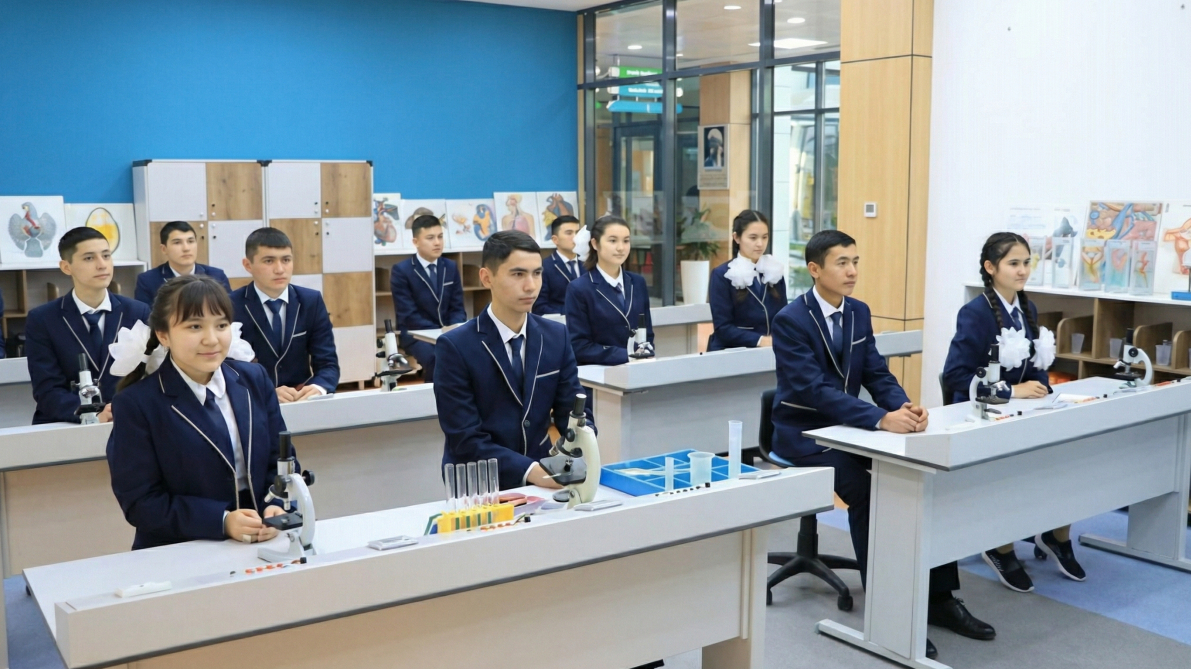
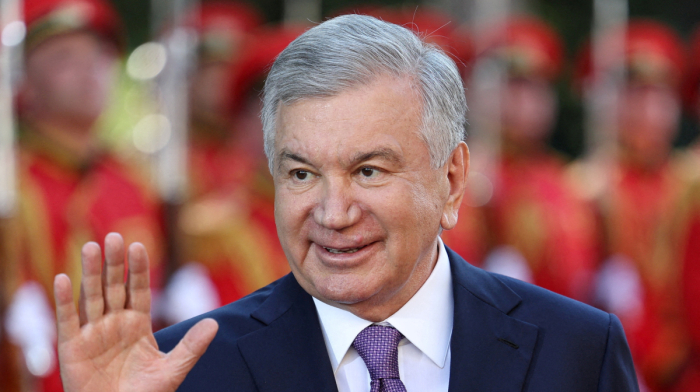
Uzbekistan is set to introduce mandatory preparatory “zero classes” before primary school, after President Shavkat Mirziyoyev approved a decree making year-long school readiness programmes an official part of compulsory education.
The term "zero classes" is used to refer to a pre-primary preparatory year before Grade 1. Authorities say the initiative aims to strengthen early learning, improve education outcomes and support the country’s transition from an 11-year to a 12-year school system.
The new policy will establish preparatory groups as the first stage of general secondary education. Children who complete the programme will receive an electronic state certificate and the information will be reflected in their school records.
Expanding early childhood education
Under the decree, preparatory classes will operate in preschools, general education schools and other social facilities. Private education providers will also be allowed to open such classes, expanding access to early learning programmes across the country.
Officials say the initiative is designed to prepare children socially and academically before entering primary school.
The programme will rely on play-based learning methods aimed at supporting development through positive interaction rather than traditional classroom instruction.
Authorities also plan to create a network of new preschool institutions under the ‘Yangi avlod’ initiative, which will include innovation centres focused on child development and modern teaching approaches.
New requirements for teachers
Beginning with the 2027/2028 academic year, preparatory classes must be taught by educators with higher education degrees, as well as final-year university students training to become teachers. The Ministry of Preschool and School Education has been tasked with revising the curriculum ahead of the reform’s full implementation.
The government believes the measure will help standardise the quality of early education and reduce disparities between regions, especially as population growth increases pressure on schools and social infrastructure.
The decision follows earlier plans to shift Uzbekistan towards a 12-year education model, integrating preparatory classes into the formal school structure.
Education reforms in recent years have focused on expanding preschool coverage, modernising curricula and introducing digital certification systems. By making zero classes compulsory, authorities aim to ensure that all children begin school with similar foundational skills.
Analysts say the move reflects a broader regional trend toward investing in early childhood education as a way to support long-term economic development and workforce readiness.














What is your opinion on this topic?
Leave the first comment