Black Sea attacks choke grain exports and drive up global prices
Escalating attacks on Black Sea ports, cargo vessels and export infrastructure have crippled a vital global grain trade route, threatening supplies...
Primetime leads with Europe’s struggle over frozen Russian state assets, as European Union governments argue over whether the money can be used to support Ukraine while U.S. funding slows. The programme breaks down what the assets are, who owns them, why Belgium and other states are worried about legal fallout, and how the deadlock is exposing cracks inside the bloc.
Attention then shifts to diplomatic activity around the Ukraine conflict, including EU talks on security guarantees and the lack of any response from Moscow, raising doubts about whether a settlement is possible in the near term.
The business segment tracks major global developments, from efforts to extend stock market trading hours in the U.S. to pressure on big technology firms in Europe, legal battles involving major media organisations, and significant shifts in the auto and consumer technology sectors.
In the as-live updates, the programme reports on Iran’s foreign minister arriving in Moscow after meetings in Belarus, the UK warning its citizens against all travel to Afghanistan, and intelligence concerns that Russia is using tactics below open warfare to intimidate Britain and its allies.
The show also carries reports from Libya on energy ambitions, Iraq’s water crisis, and the latest developments following the Bondi Beach shooting in Australia.

U.S. President Donald Trump says Washington is not seeking an extension of its memorandum of understanding with Iran, claiming the U.S. already controls the Strait of Hormuz through its naval blockade.
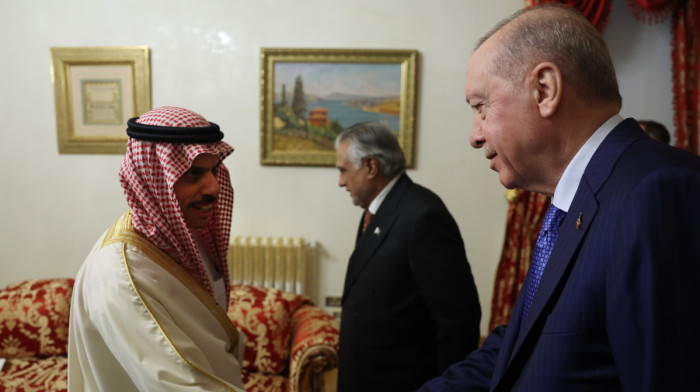
The collective-defence agreement between Türkiye, Saudi Arabia and Pakistan signals that regional powers no longer want to rely solely on external security guarantees. Whether it becomes a stabilising deterrent or another axis of rivalry remains unresolved.
Shipping through the Strait of Hormuz has slowed, according to the latest data, as uncertainty over the waterway’s reopening kept most shipowners away. Six commodity vessels crossed the strait on Tuesday, down from nine the day before and below the 10-day daily average of 11.
Iran has said the Strait of Hormuz will remain closed until the U.S. fulfils the terms of an interim deal, including lifting the maritime blockade and sanctions and releasing Iran’s frozen assets.
Ukraine has targeted at least 20 Wildberries warehouses across Russia since 18 July, disrupting a major logistics network. Kyiv says the strikes aim to disrupt alleged military-linked supplies, while the attacks have caused billions of dollars in losses and wider economic pressure.
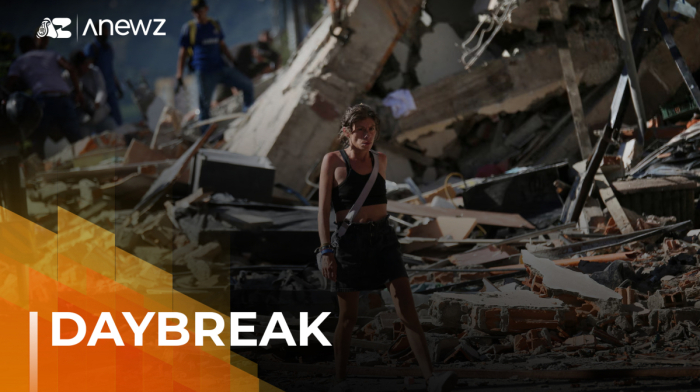
On 12 August, AnewZ’s Daybreak focused on the aftermath of Colombia’s devastating earthquake, tensions surrounding Iran and the Strait of Hormuz, growing Russia-North Korea military cooperation and security and environmental challenges across the Caspian and Black Sea regions.
On 11 August, AnewZ’s Daybreak examined U.S. President Donald Trump’s new demands for Iran, Russia-Iran cooperation and regional connectivity through the South Caucasus alongside key political, security and climate developments worldwide.
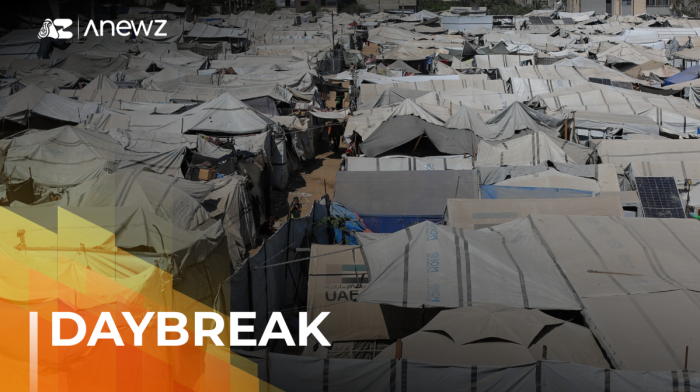
On 10 August, AnewZ’s Daybreak focused on developments in Gaza, Lebanon-Israel negotiations, Iran’s position on talks with Washington and the latest global security and climate-related challenges.
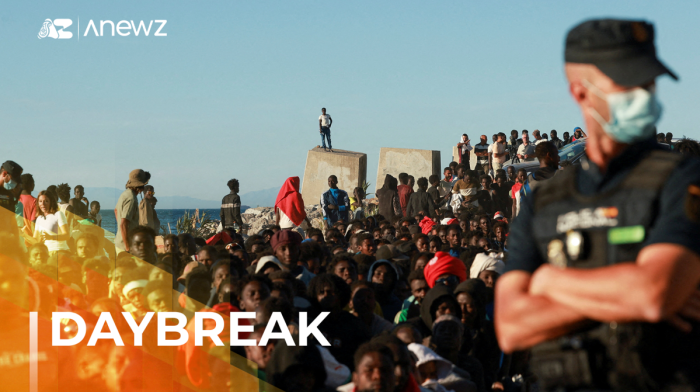
On 7 August, AnewZ's Daybreak focused on the Iran war, escalating violence in Yemen and a deadly migrant crisis in Spain's Ceuta enclave.
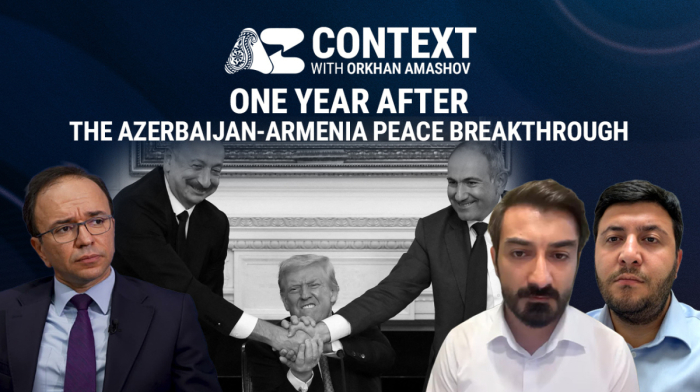
The 8 August commemorative edition of AnewZ's Context looked back on the year since the Washington breakthrough, examining how the initialling of the Azerbaijan-Armenia peace agreement and the launch of the Trump Route for International Peace and Prosperity have reshaped regional politics.
You can download the AnewZ application from Play Store and the App Store.
What is your opinion on this topic?
Leave the first comment