In a historic move, French President Emmanuel Macron has announced that France will formally recognise the State of Palestine at the United Nations General Assembly in September. The declaration positions France as the most influential Western country to back Palestinian statehood—sparking celebration in Ramallah and outrage in Tel Aviv.
Macron framed the decision as a moral obligation and a diplomatic necessity, calling for a ceasefire in Gaza, the release of hostages, and a surge of humanitarian aid. But his statement also included conditions: demilitarisation of a future Palestinian state and full recognition of Israel.
The Palestinian Authority welcomed the announcement, describing it as a step towards justice and self-determination. Hamas issued cautious support, while Israeli Prime Minister Benjamin Netanyahu fiercely condemned the move as a “reward for terror.” Israeli ministers have threatened retaliatory measures.
In this edition of NewsHour, we ask what France’s bold new stance means for the future of the Middle East, whether it signals a broader shift in European policy—and what comes next.
Watch our full segment, including reactions from Paris, and a special interview with a pro-Palestinian guest.
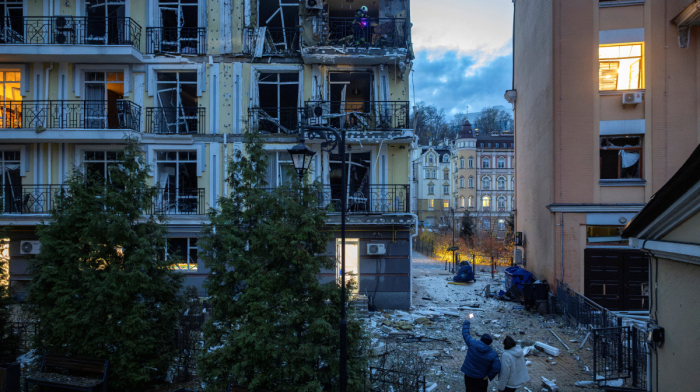
Three people have been killed and around 15 injured after Russian ballistic missiles struck three bridges over the Dnipro River in Kyiv, according to the Ukrainian capital’s mayor, Vitali Klitschko.
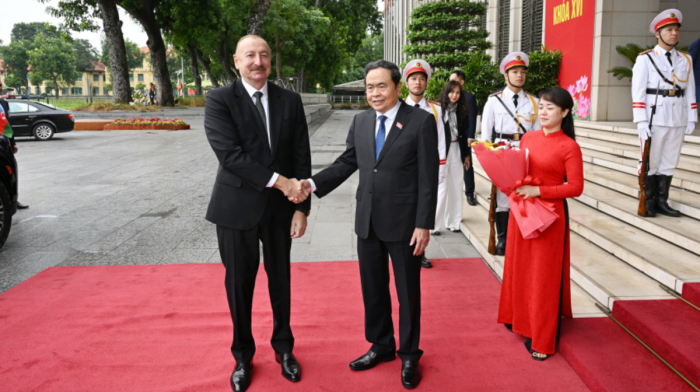
Azerbaijani President Ilham Aliyev met Vietnamese Prime Minister Le Minh Hung in Hanoi on 20 November, during a visit highlighting the longstanding friendship and growing strategic partnership between the two countries.
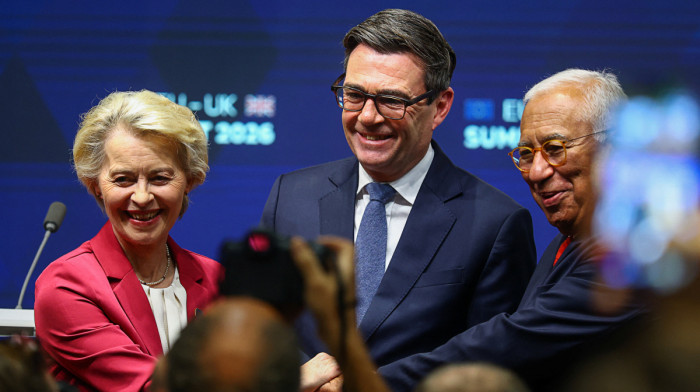
Britain and the European Union have reached an agreement to ease trade, expand opportunities for young people and deepen economic ties, in a major step towards rebuilding relations after Brexit.
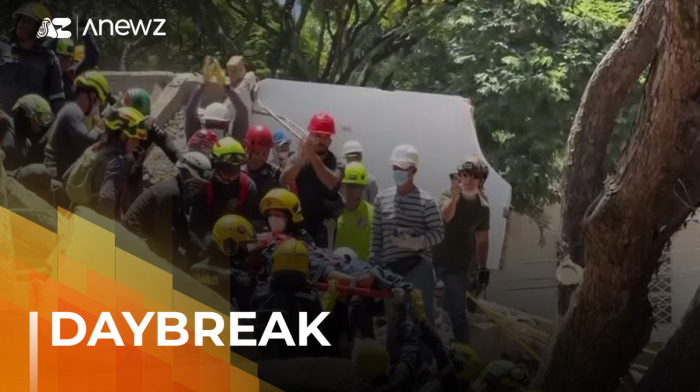
Georgia has declared 22 November 2026 a national day of mourning following a deadly residential building collapse in the Kvemo Ponichala district of Tbilisi.
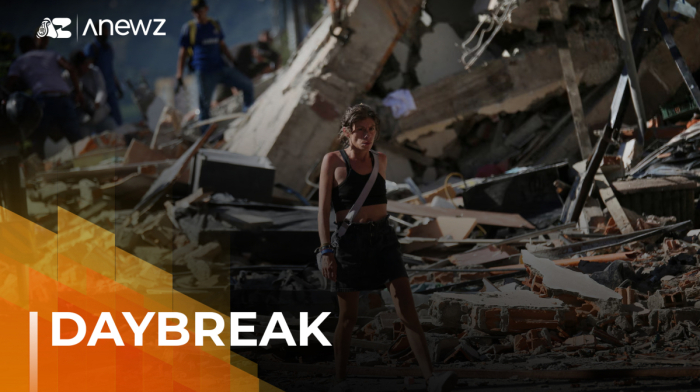
On 12 August, AnewZ’s Daybreak focused on the aftermath of Colombia’s devastating earthquake, tensions surrounding Iran and the Strait of Hormuz, growing Russia-North Korea military cooperation and security and environmental challenges across the Caspian and Black Sea regions.
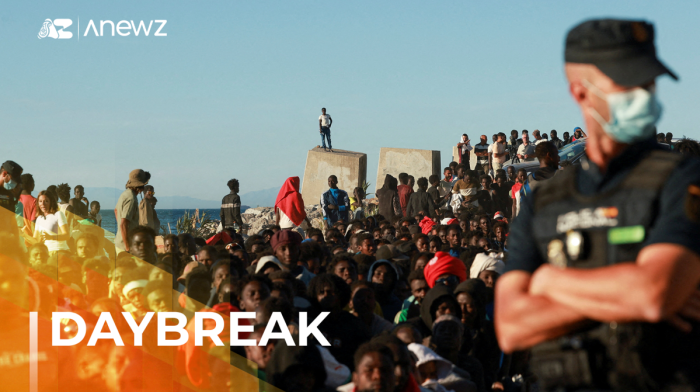
On 11 August, AnewZ’s Daybreak examined U.S. President Donald Trump’s new demands for Iran, Russia-Iran cooperation and regional connectivity through the South Caucasus alongside key political, security and climate developments worldwide.
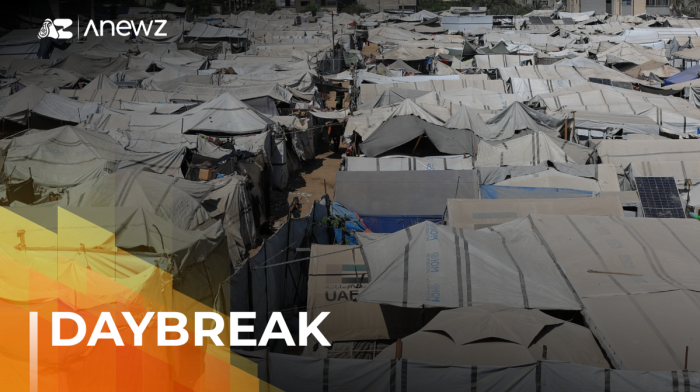
On 10 August, AnewZ’s Daybreak focused on developments in Gaza, Lebanon-Israel negotiations, Iran’s position on talks with Washington and the latest global security and climate-related challenges.
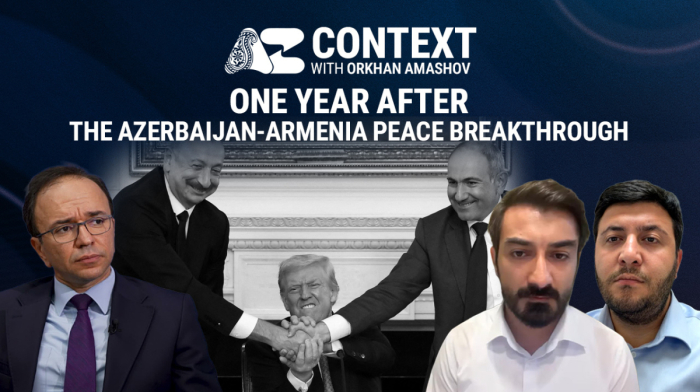
The 8 August commemorative edition of AnewZ's Context looked back on the year since the Washington breakthrough, examining how the initialling of the Azerbaijan-Armenia peace agreement and the launch of the Trump Route for International Peace and Prosperity have reshaped regional politics.
Download the AnewZ app
You can download the AnewZ application from Play Store and the App Store.










What is your opinion on this topic?
Leave the first comment