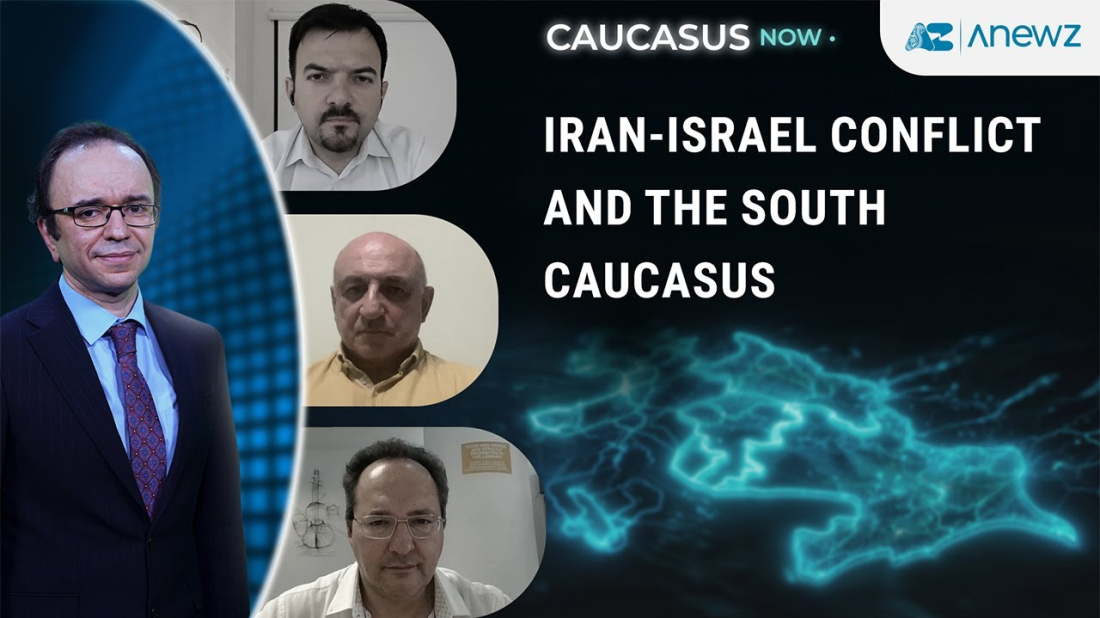
On this episode of Caucasus Now, host Orhan Amos convenes a unique trilateral panel of experts from Armenia, Azerbaijan, and Georgia to analyze the profound implications of the escalating Israel-Iran conflict on the South Caucasus. As the region finds itself "squeezed" between two major wars, the discussion delves into the delicate geopolitical balancing act each nation is performing. The program explores how this external crisis tests existing alliances, burgeoning peace processes, and the very future of regional cooperation.
Featuring analysis from Boris Navasardian (Yerevan), George Mchedlishvili (Tbilisi), and Rusef Mammadli (Baku), this is a must-watch for anyone seeking to understand the complex ripple effects of the Middle East conflict on its northern neighbors.
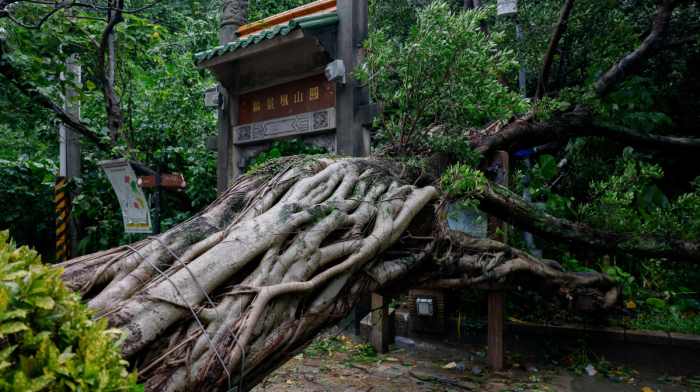
Typhoon Champi swept past Taiwan on Saturday, leaving one person dead and more than 500 injured as strong winds and torrential rain brought down trees, cut power and disrupted transport across the island.
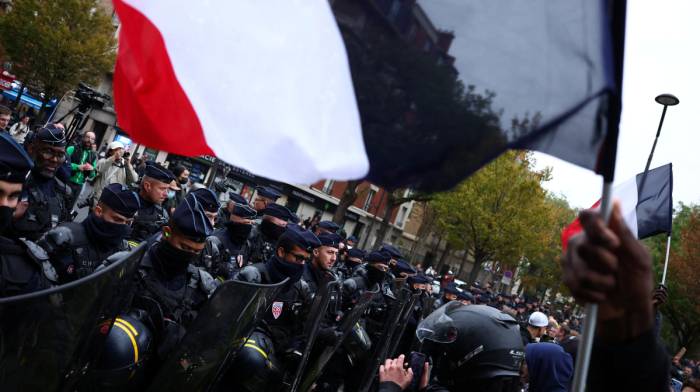
French President Emmanuel Macron on Friday described a deadly shooting in the towns of Trappes and La Verrière, west of Paris, as a racist attack and ‘a turning point’ for the country.
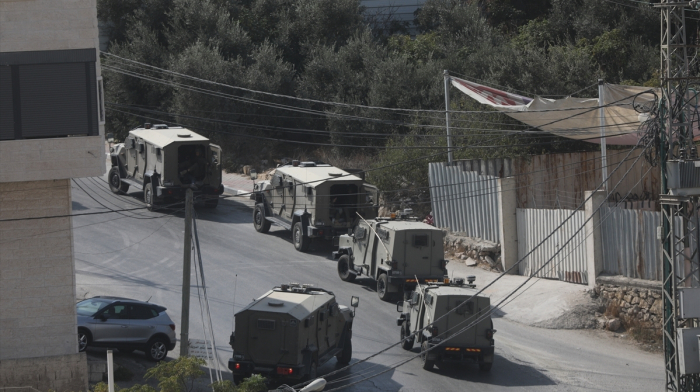
Israeli forces have maintained a tight closure on Hebron in the occupied West Bank for a second day, with Palestinian media reporting home raids, mass detentions and dozens of residents forced outside following a shooting incident the day before.
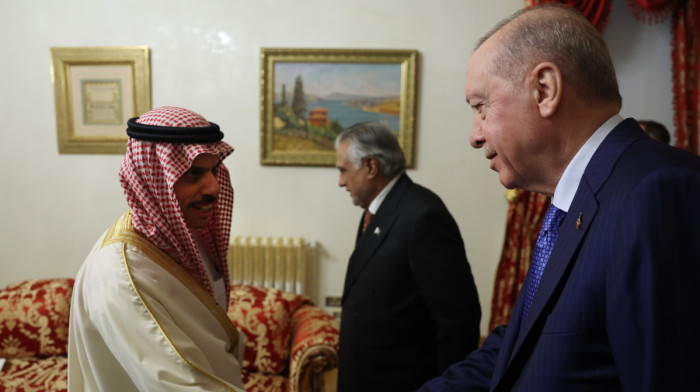
Foreign ministers meeting in Istanbul on Friday warned that renewed military strikes on Iran could deepen the regional conflict, urging diplomatic efforts to prevent further escalation.
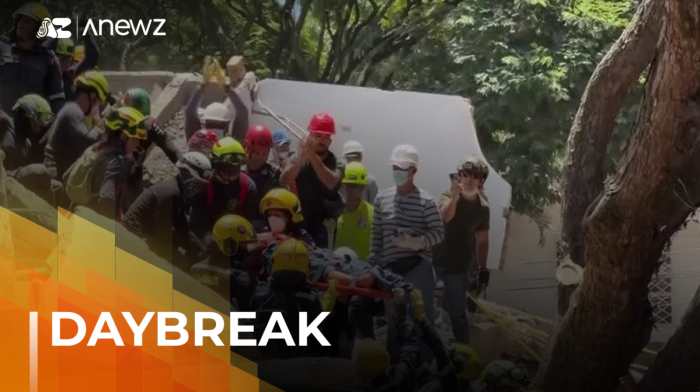
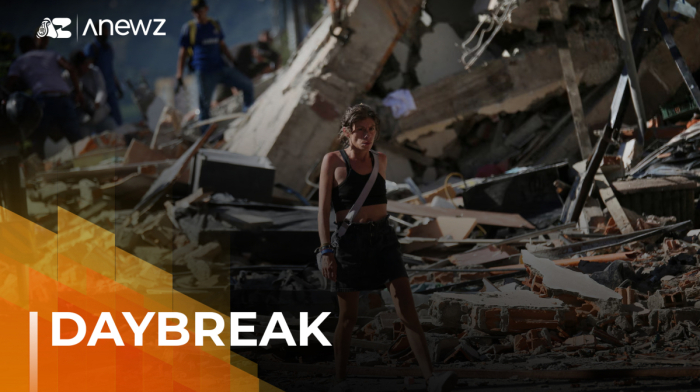
On 12 August, AnewZ’s Daybreak focused on the aftermath of Colombia’s devastating earthquake, tensions surrounding Iran and the Strait of Hormuz, growing Russia-North Korea military cooperation and security and environmental challenges across the Caspian and Black Sea regions.
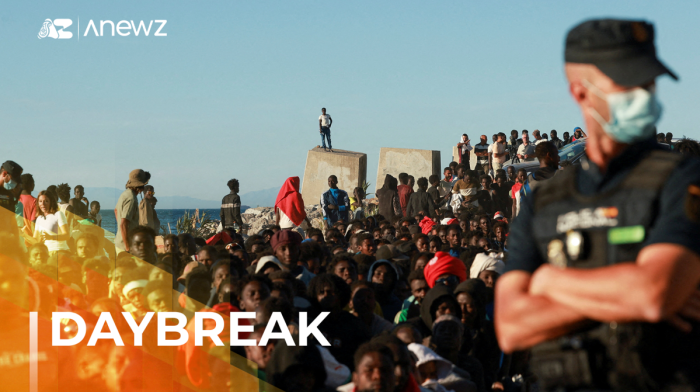
On 11 August, AnewZ’s Daybreak examined U.S. President Donald Trump’s new demands for Iran, Russia-Iran cooperation and regional connectivity through the South Caucasus alongside key political, security and climate developments worldwide.
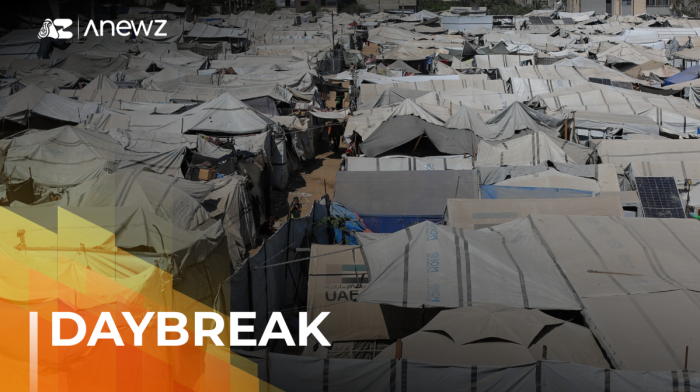
On 10 August, AnewZ’s Daybreak focused on developments in Gaza, Lebanon-Israel negotiations, Iran’s position on talks with Washington and the latest global security and climate-related challenges.
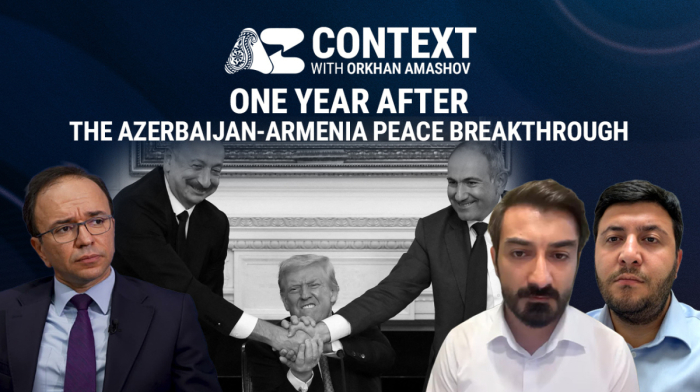
The 8 August commemorative edition of AnewZ's Context looked back on the year since the Washington breakthrough, examining how the initialling of the Azerbaijan-Armenia peace agreement and the launch of the Trump Route for International Peace and Prosperity have reshaped regional politics.
Download the AnewZ app
You can download the AnewZ application from Play Store and the App Store.












What is your opinion on this topic?
Leave the first comment