Moscow blames Ukraine after five Azerbaijanis killed in the Sea of Azov
Five Azerbaijani crew members were killed, and three others were injured after two cargo vessels were hit in a drone attack in the Sea of Azov, Azerba...
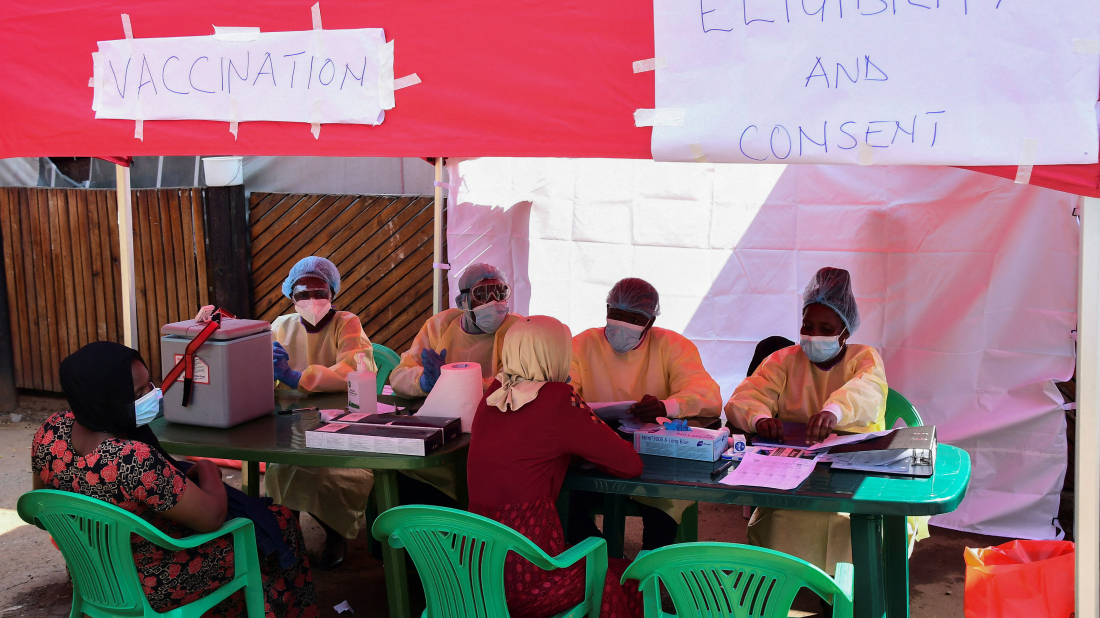
After weeks of no new infections, Uganda has officially brought its latest battle against the deadly ebola virus to a close, authorities announced on Saturday.
Uganda announced on Saturday that the country’s latest ebola outbreak has officially ended, three months after authorities confirmed infections of the highly contagious virus in the capital city, Kampala.
The Ministry of Health celebrated the news in a post on the X platform, stating that the declaration came after 42 days without a new case following the discharge of the last confirmed patient. The ministry did not specify the final total number of cases recorded during the outbreak.
The East African country first reported the outbreak on 30 January after the death of a male nurse who tested positive for the virus. By early March, the ministry had reported at least ten confirmed cases and two deaths.
The latest outbreak was caused by the Sudan strain of the ebola virus, for which no approved vaccine currently exists. Uganda has experienced nine outbreaks since it first recorded the disease in 2000. The country's frequent exposure to ebola, combined with robust public health responses, has allowed it to bring outbreaks under control relatively quickly, according to health experts.
The outbreak began in Kampala, a densely populated city of around four million people and a major transport hub linking Uganda with neighbouring countries such as the Democratic Republic of Congo, Kenya, Rwanda and South Sudan.
Uganda shares a border with the Democratic Republic of Congo, which has faced numerous ebola outbreaks, including a major one from 2018 to 2020 that resulted in nearly 2,300 deaths.
Ebola is transmitted through direct contact with the bodily fluids or tissues of infected individuals. Symptoms typically include fever, muscle pain, headache, vomiting blood, and internal or external bleeding.

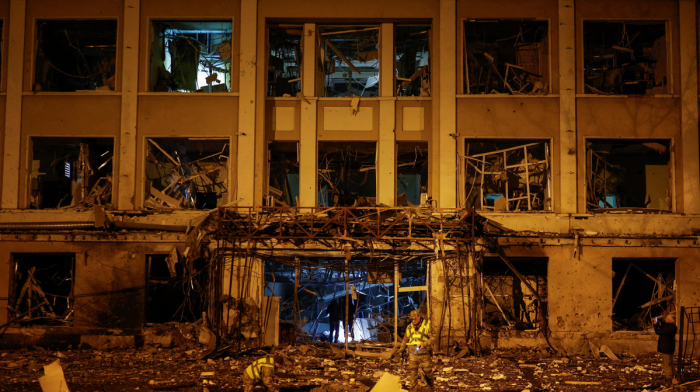
Five Azerbaijani crew members were killed, and three others were injured after two cargo vessels were hit in a drone attack in the Sea of Azov, Azerbaijan's Foreign Ministry said on Friday, as Russia blamed Ukraine for the strike.
The new AnewZ documentary, TARGET: Yerevan, builds its explosive case on exclusive, secret recordings originally published by Minval Politika.
Azerbaijan has strongly rejected allegations published by CNN claiming that its territory was used for Israeli military and intelligence operations against Iran, describing the report as entirely baseless and demanding a retraction.
Armenia will hold parliamentary elections on 7 June 2026, a vote that will shape the country’s political direction for the next five years. Understanding how the electoral system converts votes into parliamentary power is key to following the outcome and its wider regional implications.
Armenia’s National Assembly election on 7 June is increasingly being viewed not only as a domestic political contest, but also as a vote that could shape the future direction of the South Caucasus.
Protesters in Nanyuki blocked roads and burned tyres after residents challenged a U.S. plan to house Americans exposed to Ebola at a nearby military base.
Global health organisation CEPI will provide around $60 million to Moderna and two other partners to speed up the development of vaccines targeting the Ebola Bundibugyo strain, which is currently driving an outbreak in eastern Democratic Republic of Congo.
The head of the World Health Organization (WHO) has warned that the Ebola outbreak in the Democratic Republic of Congo may be significantly larger than official figures suggest, following a visit to the country where he briefed President Felix Tshisekedi on the ongoing response.
Four nurses have recovered and been discharged after receiving treatment for Ebola in the Democratic Republic of Congo, the World Health Organisation (WHO) said.
The World Health Organisation’s designation of the Bundibugyo Ebola virus outbreak as a Public Health Emergency of International Concern (PHEIC) is a stark reminder that Ebola remains a persistent global health threat rather than a disease of the past.
You can download the AnewZ application from Play Store and the App Store.
What is your opinion on this topic?
Leave the first comment