Trump says Iran’s Mojtaba Khamenei not seen after strike – Latest on Middle East crisis
President Trump called on countries to assist in reopening the Strait of Hormuz, while Starmer said the UK is working with allies to restore naviga...
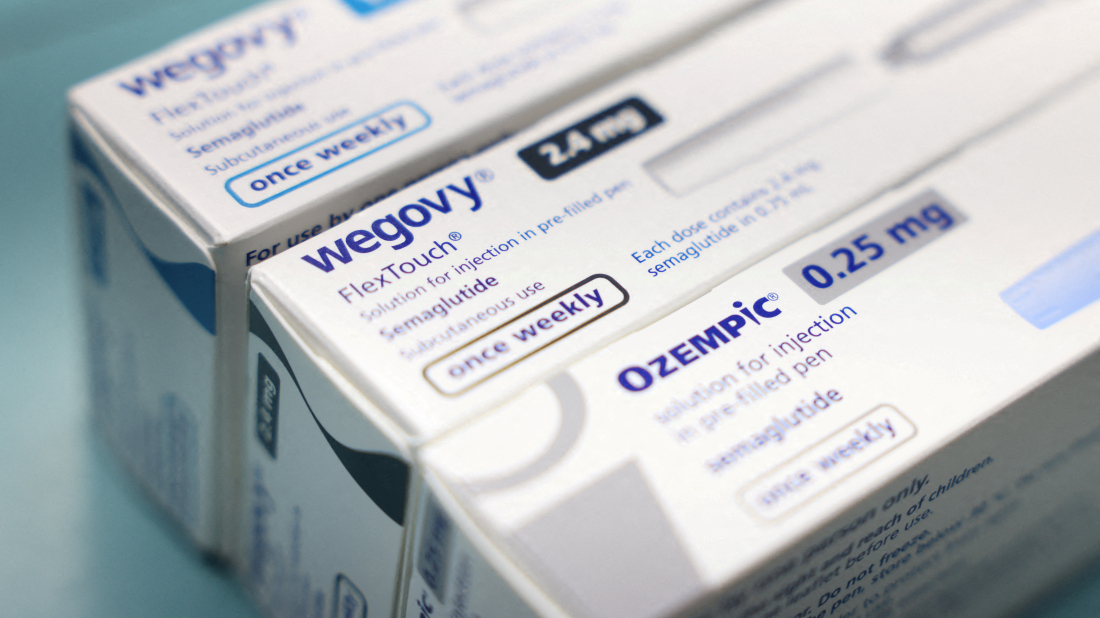
Rybelsus, an oral form of the GLP-1 drug semaglutide, has been discovered to provide similar cardiovascular benefits as the injectable forms of the drug.
Researchers presented this at the American College of Cardiology scientific meeting held in Chicago in March.
In a trial of 9,650 patients with type 2 diabetes, who had clogged heart arteries and/or chronic kidney disease, those taking Rybelsus were overall 14% less likely to experience heart-related death, heart attack or stroke than those who received a placebo after an average follow-up of four years.
Semaglutide, a glucagon-like peptide-1 receptor agonist, has been shown to reduce the risk of adverse cardiovascular events in patients with diabetes according to the New England Journal of Medicine.
The researchers saw a 26% reduction in non-fatal heart attacks with oral semaglutide and a 12% reduction in non-fatal strokes, both of which “are among the most common and devastating complications of diabetes,” study co author Dr. John Buse of the University of North Carolina School of Medicine said in a statement.
It is still unclear though the exact mechanism through which the drugs reduce cardiovascular risk is not known, however, their anti-inflammatory activity is thought to play a role.
“Semaglutide has been a mainstay of our efforts to reduce heart attack and stroke in people with diabetes,” Buse said. “Having an oral option to deliver this highly effective therapy is a big advance.”
Despite the resounding success of the drug manufactured alongside Ozempic, the injectable form by Pharma giant Novo Nordisk, the most common side effects mainly gastrointestinal problems such as nausea, diarrhea, constipation and gas remain.

Iran says it is open to talks with countries seeking safe passage through the Strait of Hormuz - disrupted by recent attacks - as Israel continues to launch wide‑scale strikes on Iranian infrastructure in the west. This live report tracks the latest developments.
President Trump called on countries to assist in reopening the Strait of Hormuz, while Starmer said the UK is working with allies to restore navigation and stabilise oil markets. It comes as a strike near Iraq’s western border killed several Hashed al-Shaabi fighters, raising regional tensions.
The other evening, I was fuelling my car at a petrol station in Kenya’s capital. It was one of those small moments most motorists barely notice. The attendant filled the tank, I glanced at the pump price, paid, and drove off.
Start your day informed with AnewZ Morning Brief. Here are the top news stories for the 15 March, covering the latest developments you need to know.
Top U.S. and Chinese economic officials launched a new round of talks in Paris on Sunday (15 March) to resolve issues in their trade truce. The discussions aim to smooth the way for U.S. President Donald Trump’s visit to Beijing to meet Chinese President Xi Jinping at the end of March.
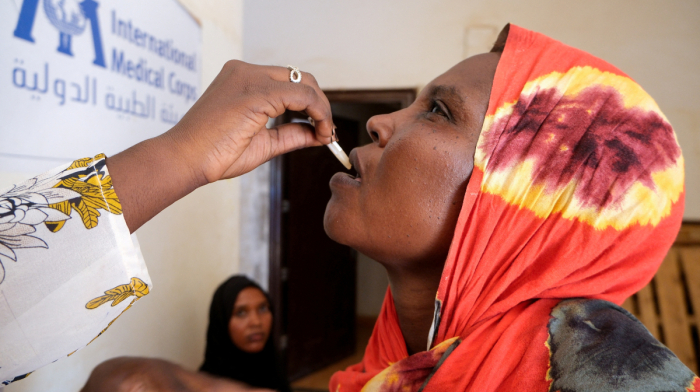
The war in the Middle East is beginning to disrupt the flow of critical medicines to Gulf countries, raising concerns about the supply of cancer treatments and other temperature-sensitive drugs, according to pharmaceutical industry executives.
The World Health Organization (WHO) has released $2m in emergency funding to support health responses in Lebanon, Iraq and Syria as escalating regional conflict strains hospitals, raises displacement and increases pressure on already fragile health systems.
Measles cases across Europe and Central Asia fell sharply in 2025 compared to the previous year but health officials have warned that the risk of fresh outbreaks remains unless vaccination gaps are urgently addressed.
A Florida university has become a new hotspot in a widening U.S. measles outbreak, with health officials confirming multiple infections and hospitalisations.
The World Health Organization has added the Nipah virus to its list of the world’s top 10 priority diseases, alongside COVID-19 and the Zika virus, warning that its epidemic potential highlights the global risk posed by fast-spreading outbreaks.
You can download the AnewZ application from Play Store and the App Store.
What is your opinion on this topic?
Leave the first comment