Suspected hantavirus cases confirmed as the affected cruise ship prepares to dock in Spain
Health authorities are monitoring a widening hantavirus alert after new suspected cases emerged in Spain and on a remote South Atlantic island, day...
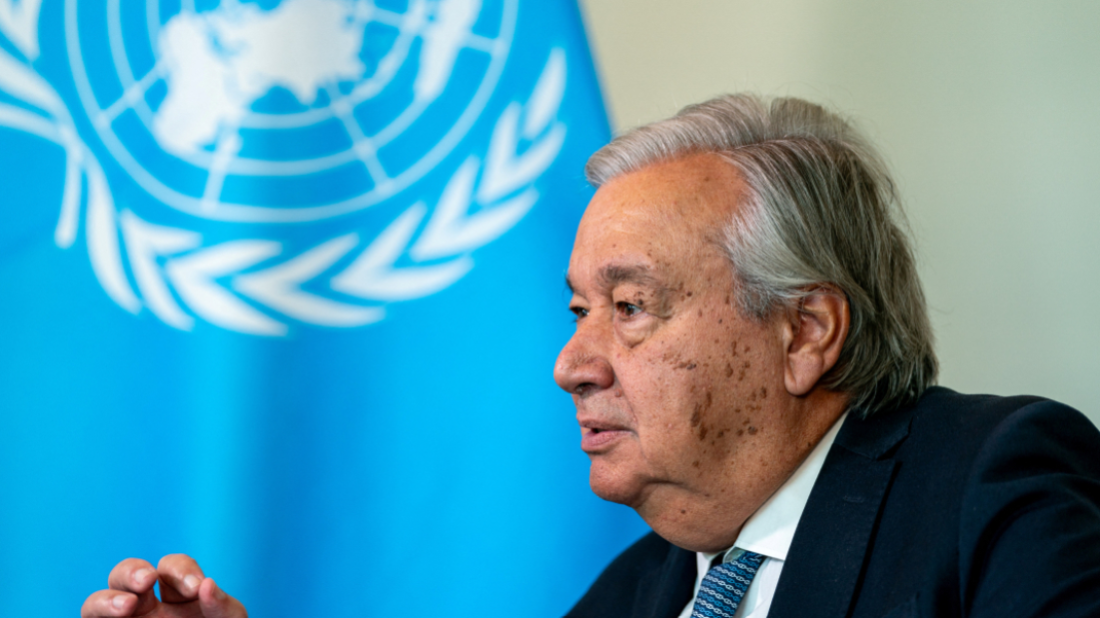
UN Secretary-General António Guterres opened the Third United Nations Ocean Conference in Nice, calling on the world to stop plundering the oceans.
Highlighting threats like plastic pollution, overfishing, and rising sea temperatures, Guterres described the ocean as a “shared resource” that is currently failing under human pressure.
With more than 120 countries attending, the summit underlines the growing global focus on ocean health as crucial to climate stability and food security. French President Emmanuel Macron announced that the landmark High Seas Treaty, aimed at protecting two-thirds of the world’s oceans, is close to the required 60 ratifications to come into force.
Leaders from Costa Rica and Brazil also spoke, emphasizing the need to shift from exploitation to stewardship of marine ecosystems. Costa Rican President Rodrigo Chaves called for a moratorium on deep-sea mining until scientific risks are fully understood.
The conference aims to finalize agreements on plastic pollution, increase ocean conservation funding, and boost cooperation on sustainable ocean management. As Guterres put it, “What was lost in a generation can return in a generation,” pointing to hope for a restored and thriving ocean future.

The U.S military said it carried out retaliatory strikes on Iran on Thursday (7 May). Meanwhile, Iran's Joint Military Command accused the U.S. of breaching the ceasefire, by striking an Iranian oil tanker in the Strait of Hormuz and launching attacks on several Iranian cities.
The U.S. and Iran exchanged fire in and around the Strait of Hormuz, though both sides signalled they did not want escalation. The clashes come as Washington awaits Tehran’s response to a proposed deal to end the war while leaving key disputes, such as Iran’s nuclear programme, unresolved for now.
Singapore has isolated and is testing two of its residents who travelled aboard a cruise ship linked to a deadly hantavirus outbreak, the Communicable Diseases Agency (CDA) said on Thursday.
Efforts to end the U.S.-Iran war appeared to stall as the two sides exchanged fire in and around the Strait of Hormuz. A reported CIA assessment suggested Tehran could withstand a U.S. naval blockade for months despite mounting sanctions and renewed Gulf attacks.
Ukraine’s military said it struck a Russian Karakurt-class small missile carrier in the Caspian Sea near Russia’s Dagestan region on Thursday. The extent of the damage is still being assessed, according to Kyiv.
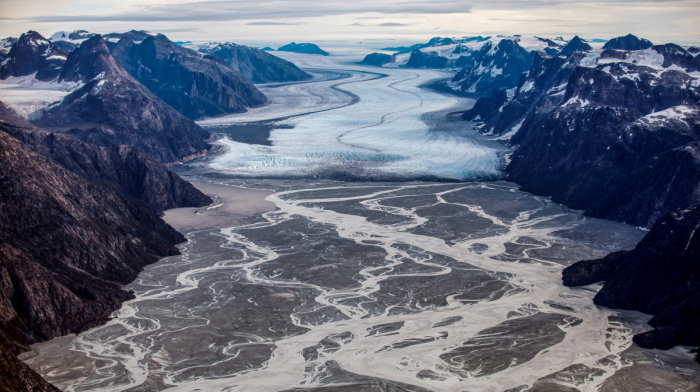
Destruction of the world's tropical forests eased in 2025 from a record high, a report showed on Wednesday, underscoring how decisive policy can help keep trees standing despite pressures from a warmer climate and expanding agricultural frontiers.
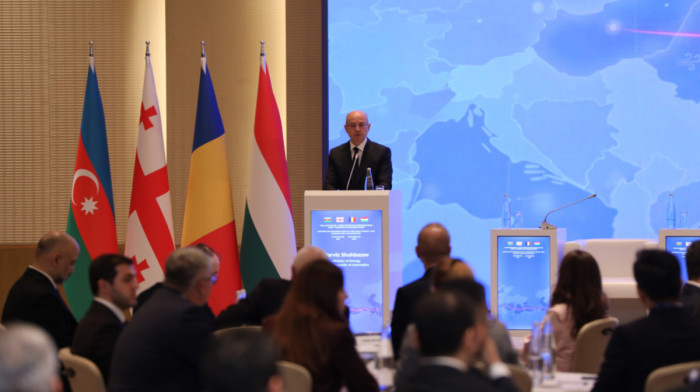
Kazakhstan has ratified a regional green energy agreement with Azerbaijan and Uzbekistan, signalling Central Asia’s ambition to become a key supplier of renewable energy to international markets.
China’s growing use of electric and hydrogen-powered vehicles took centre stage at the Beijing Auto Show 2026, which opened on 24 April, highlighting the country’s expanding clean transport ambitions.
Global weather forecasters predict a strong El Niño will develop in the second half of 2026, bringing hotter, drier conditions to much of Asia while increasing rainfall in parts of North and South America.
Communities in Mexico have taken to the streets to protest against an ongoing oil spill in the Gulf of Mexico that has killed wildlife and damaged coral reefs over several weeks.
You can download the AnewZ application from Play Store and the App Store.
What is your opinion on this topic?
Leave the first comment