live Trump claims Iran agreed to nuclear inspections indefinitely, Tehran rejects U.S. claims
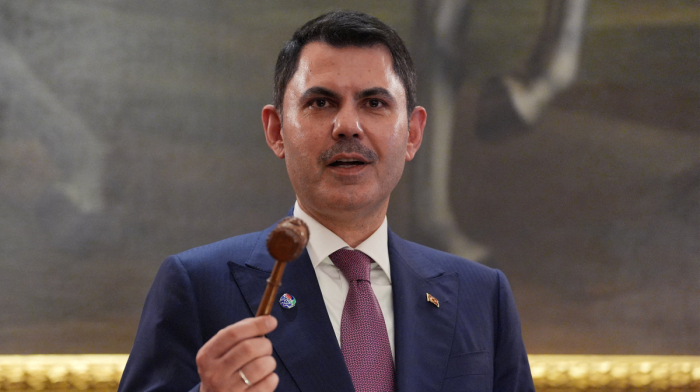
U.S. President Donald Trump said that Iran had agreed to nuclear inspections into "infinity, despite Tehran's denials, and that unfrozen Iranian asset...
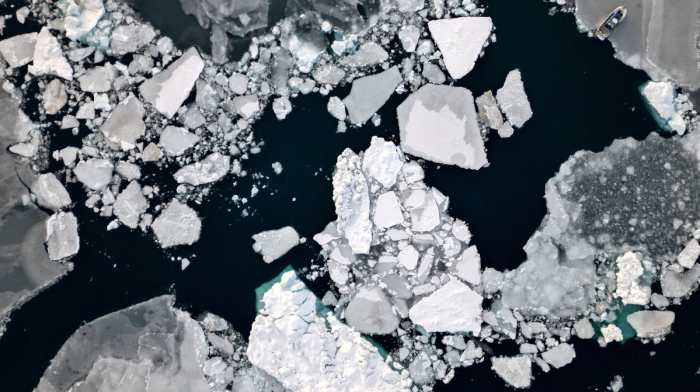
On June 8, people around the globe mark World Oceans Day, highlighting the ocean’s critical role in sustaining life and urging action to protect its future.
World Oceans Day is observed every year on June 8 to raise awareness about the importance of the ocean and the urgent need to protect it. First proposed at the 1992 Earth Summit in Rio de Janeiro and officially recognized by the United Nations in 2008, the day serves as a global call for collective action to preserve ocean health and stabilize the climate.
Covering over 70% of the planet, the ocean is central to life on Earth. It produces more than half of the oxygen we breathe, supports much of Earth’s biodiversity, and provides a main source of protein for over a billion people. It also plays a major role in the global economy, with ocean-based industries projected to employ 40 million people by 2030.
Despite its vital importance, the ocean is under severe threat. Over 90% of large fish species are depleted, and nearly half of all coral reefs have been destroyed due to human activity. Scientists and environmentalists are calling for urgent cooperation to stop further damage and restore the ocean’s natural balance.
The theme for World Oceans Day 2025 is “Wonder: Sustaining what sustains us.” This year’s observance is especially significant, as it falls within the UN Decade of Ocean Science and the lead-up to the World Ocean Conference. The theme highlights not only the ocean’s role in supporting life, but also the sense of awe it inspires—and the need to protect it with wisdom, respect, and global unity.
Hosted by the UN Division for Ocean Affairs and the Law of the Sea in partnership with the nonprofit Oceanic Global, the 2025 program focuses on education, awareness, and mobilizing citizens around the world for sustainable ocean stewardship.
World Oceans Day reminds us that the ocean is not just a distant body of water—it is the planet’s lifeline, deeply connected to our daily lives and future well-being.

At least thirteen people have died and sixty-six have been injured following an explosion at Qatar's main liquefied natural gas (LNG) processing hub at Ras Laffan, authorities said on Sunday.
Cape Verde’s remarkable FIFA World Cup debut continued on Sunday (21 June) as the tournament newcomers held Uruguay to a 2-2 draw. Goalkeeper Vozinha was once again at the centre of the story, this time with his mother watching from the stands.
Tehran has agreed to let the International Atomic Energy Agency (IAEA) recommence inspections of its nuclear programme, U.S. Vice President JD Vance has said. The U.S. and Iran have settled on a 60-day roadmap aimed at reaching a final deal, according to mediators Qatar and Pakistan.
Armenia and Azerbaijan have agreed on a landmark internet deal that will allow traffic to pass through Azerbaijani networks.It's the latest deal to highlight the ongoing peace process between the two countries.
A Ukrainian strike has damaged a school building in a Russian-controlled area of Ukraine’s Zaporizhzhia region, according to local authorities cited by the TASS news agency. No injuries were reported in the incident.
Major technology, telecom, aviation and crypto-related firms have pledged to strengthen cooperation to tackle the illegal wildlife trade according to statements made at a business forum convened by United for Wildlife during London Climate Action Week.
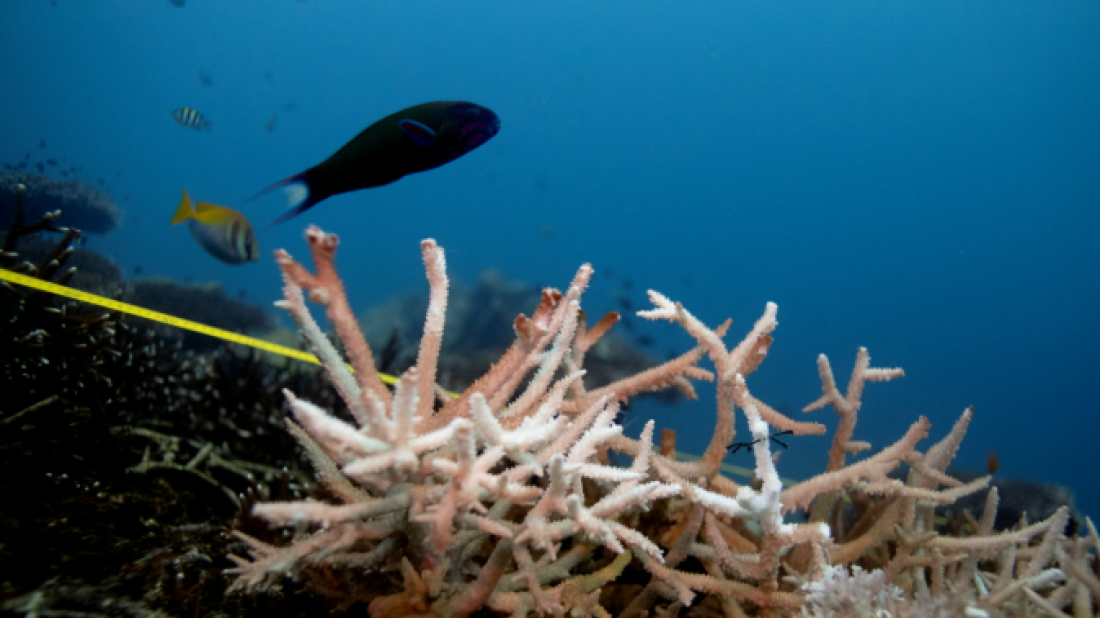
Scientists have identified almost 166,000 square kilometres of coral reefs worldwide that appear capable of surviving and recovering from the impacts of climate change, offering new hope for some of the planet's most vulnerable marine ecosystems.
Australia's weather bureau warned on Tuesday that an El Niño weather pattern has formed in the tropical Pacific and could intensify in the second half of 2026, becoming one of the strongest events recorded in seven decades.
France’s parliament has formally recognised state responsibility for the use of the toxic pesticide chlordecone in Martinique and Guadeloupe, marking a significant step in addressing decades of environmental contamination and public health concerns.
Financial markets are significantly underestimating the economic impact of biodiversity loss, potentially leaving countries exposed to sovereign debt crises and rising borrowing costs, according to new research published on Friday.
You can download the AnewZ application from Play Store and the App Store.
What is your opinion on this topic?
Leave the first comment