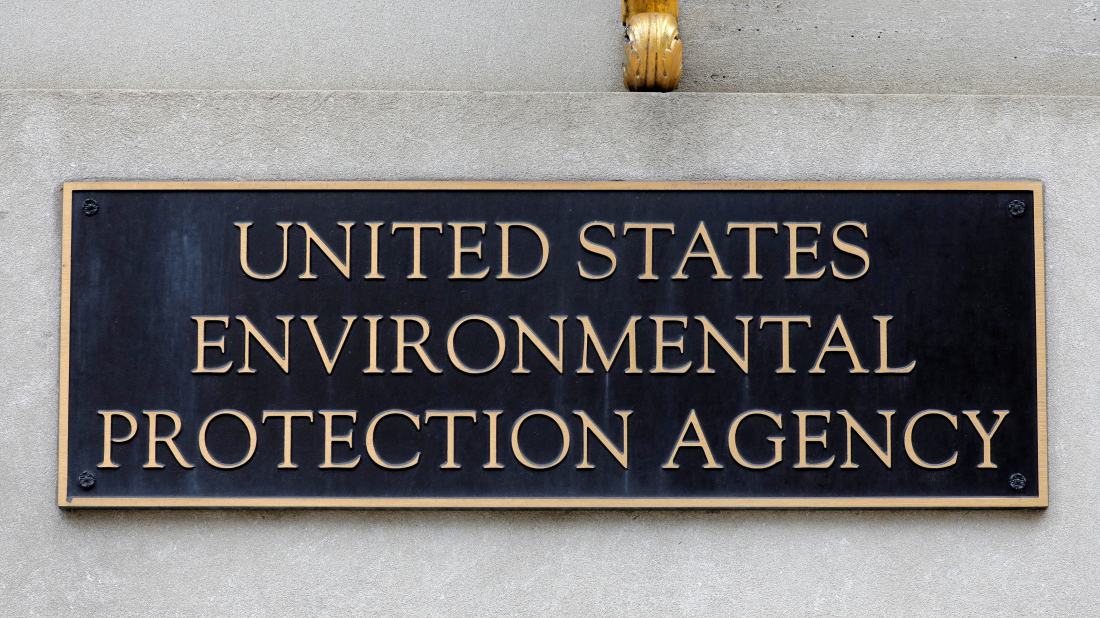
The Environmental Protection Agency has moved to erase the foundation of America’s climate regulations. On Tuesday, it unveiled a proposal to rescind the “endangerment finding,” the legal opinion that lets it curb greenhouse gas emissions.
If the move goes through, it would wipe out EPA rules on vehicle emissions, from small cars to heavy trucks. Limits on power plants and methane leaks would be weakened. The EPA’s new argument is that Congress never gave it authority to police greenhouse gases under the Clean Air Act.
EPA Administrator Lee Zeldin called it “the largest deregulatory action in U.S. history.”
Industry groups cheered. Climate experts and former officials condemned the move as reckless, saying it puts public health at risk and ignores science.
The 2009 “endangerment finding” declared greenhouse gases a threat to Americans’ health and welfare. That opened the door for years of regulations. Trump’s EPA now says that legal logic is flawed. Zeldin told reporters the EPA cannot “give ourselves that power.” Only Congress, he says, can make such decisions.
If finalised, the plan would roll back decades of climate policy and trigger a fierce legal fight. The battle could last for years. A Supreme Court case in 2007 gave the EPA this authority. The agency’s latest move aims to overturn that legacy.
Critics call it a political gamble. If Trump wins in court, future presidents would struggle to revive climate rules. If the plan fails, the administration may be left with nothing.
Automakers and oil companies have praised the rollback. They call for more consumer choice and less regulation.
Ford said the country needs a single, stable standard. One that grows stricter over time, matches science, and supports American manufacturing.
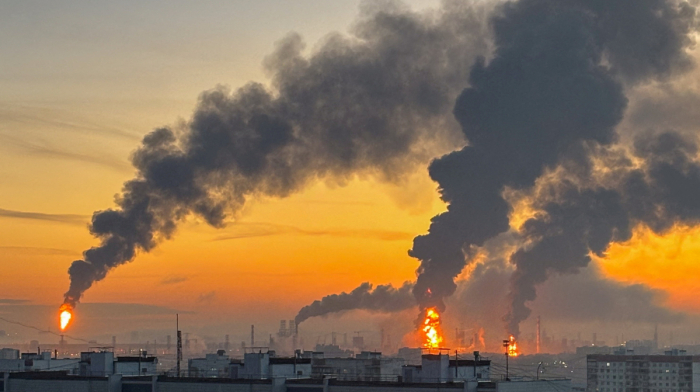
Opponents warn the reversal will mean more pollution and more high-polluting cars on U.S. roads for years. They say Americans living through fires, floods, and storms will see this move as out of touch.
The EPA proposal claims past rules cost industry trillions. Critics say those numbers ignore the benefits, including fewer deaths, less disease, and cleaner air.
Legal experts doubt the EPA’s new logic will survive. Many say the law and science are clear, greenhouse gases endanger Americans. But with a conservative Supreme Court, the old rules may not last.
Public comments are open. The outcome will shape U.S. climate policy for years.




















What is your opinion on this topic?
Leave the first comment