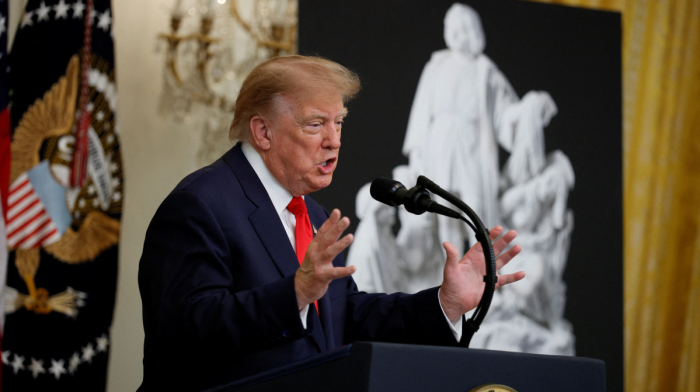
Iran says path to nuclear deal remains open if trust restored with U.S.
Iran’s foreign minister says a return to nuclear diplomacy with the United States remains possible, provided mutual trust can be restored, warning t...
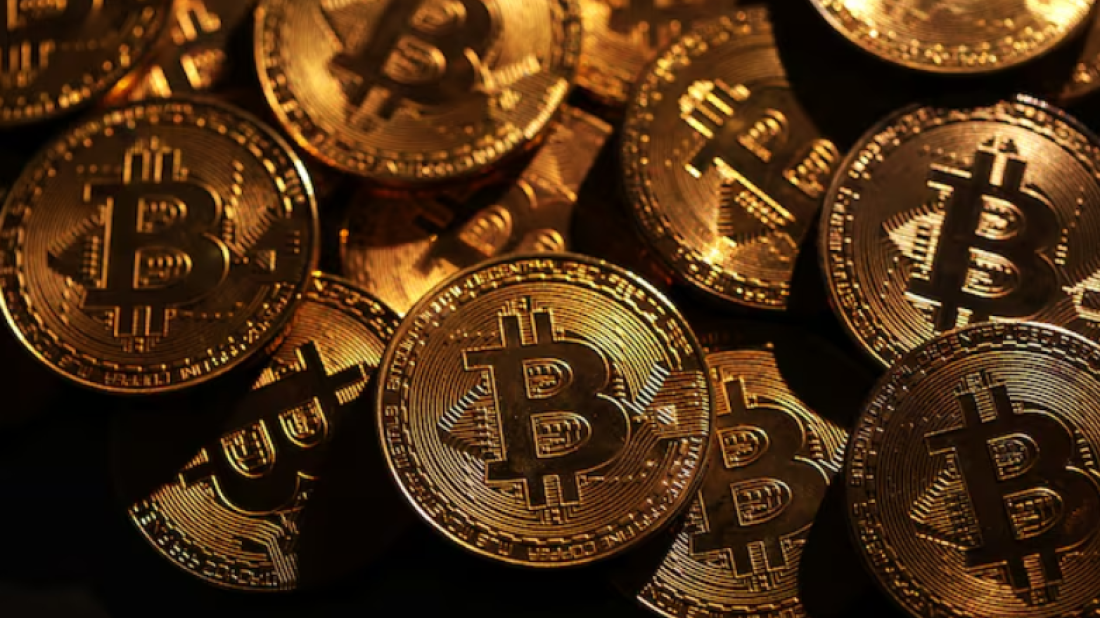
Top U.S. banks are quietly preparing to enter the crypto market through cautious pilot programs and partnerships, as regulators offer clearer signals. While enthusiasm grows, most lenders remain hesitant, seeking more clarity on rules before committing heavily.
Major U.S. banks are holding internal talks about cautiously expanding into cryptocurrencies, spurred by more favorable regulatory signals under the Trump administration. According to industry executives, initial moves will focus on pilot programs, partnerships, or limited trading to avoid regulatory missteps.
While some firms, like JPMorgan Chase, remain skeptical, others - such as Charles Schwab, Bank of America, and Morgan Stanley - are exploring services like crypto custody, stablecoins, and crypto trading platforms. Schwab expects to offer spot crypto trading within a year.
Still, banks are seeking clearer, unified guidelines from regulators, especially around anti-money laundering, custody, and market-making roles. Some firms are even discussing a joint stablecoin project.
Despite easing rules, including scrapped SEC guidance and friendlier stances from the OCC, banks are approaching crypto with caution. Industry experts say more defined regulations are needed before large-scale banking involvement becomes a reality.

Newly released Epstein files name French President Emmanuel Macron among figures referenced in millions of disclosed documents.
The United Nations faces the risk of “imminent financial collapse” because of unpaid contributions, including substantial arrears from the United States, Secretary-General Antonio Guterres has warned.
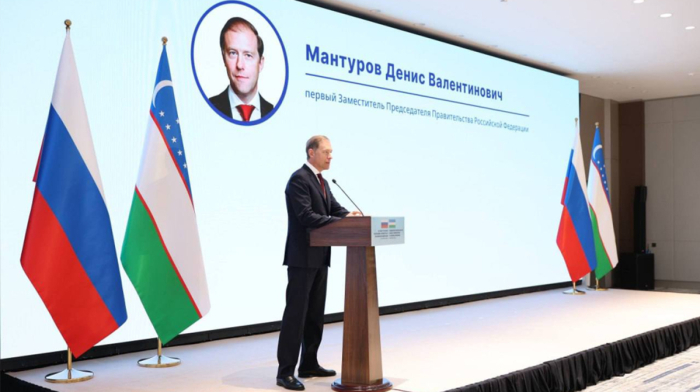
Vladimir Putin said Russia earned more than $15 billion from defence exports in 2025 and fulfilled all military-technical contracts despite what he described as growing pressure from Western countries.
U.S. President Donald Trump said Washington may be able to reach a deal with Cuba, days after he threatened tariffs on any country supplying the island with oil.
Iran’s nuclear ambitions continue to shape regional tensions in the Middle East, particularly among key powers such as Israel and Türkiye, according to political analyst Dr Zaur Gasimov.
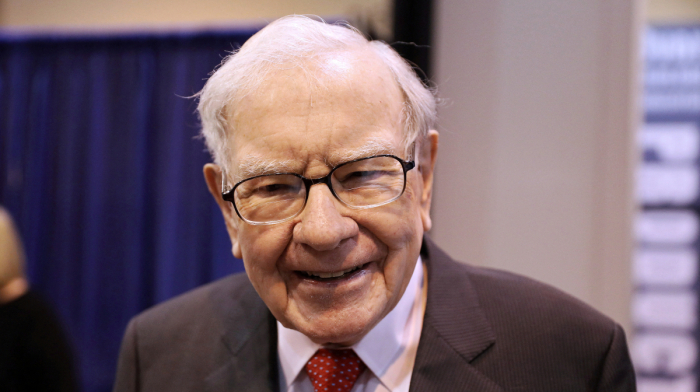
U.S. stock markets finished mixed on Wednesday (28 January) as investors reacted calmly after the Federal Reserve left interest rates unchanged, a decision that had been widely expected and largely priced in.
The S&P 500 edged to a record closing high on Tuesday, marking its fifth consecutive day of gains, as strong advances in technology stocks offset a sharp selloff in healthcare shares and a mixed batch of corporate earnings.
Chevron is in talks with Iraq’s oil ministry over potential changes to the commercial framework governing the West Qurna 2 oilfield, one of the world’s largest producing assets, after Baghdad nationalised the field earlier this month following U.S. sanctions imposed on Russia’s Lukoil.
Argentina's economic activity shrunk 0.3% in November compared with the same month last year, marking the first monthly contraction of 2025, data from Argentina's national statistics agency showed on Wednesday.
Wall Street closed sharply lower on Tuesday as global markets fell after U.S. President Donald Trump’s new tariff threats against Europe unsettled investors and revived fears of renewed volatility.
You can download the AnewZ application from Play Store and the App Store.
What is your opinion on this topic?
Leave the first comment