Kyiv hit by Russian missiles as Ukraine peace talks loom in Abu Dhabi
Russian forces launched a ballistic missile attack on Kyiv early on Saturday, 7 November, injuring two people and damaging residential buildings, j...
Porsche (P911_p.DE) saw its shares fall by 7.5% by late morning on Monday after the carmaker scaled back its electric vehicle rollout and lowered its forecast, following a costly strategic reversal driven by weak demand.
Volkswagen, Porsche’s parent company, and its holding company Porsche SE (PSHG_p.DE), the largest shareholder of Volkswagen, both saw declines of 7% and 7.6%, respectively.
Porsche announced a delay in the launch of several all-electric models on Friday, marking further trouble for the company. Its profits were almost wiped out in the second quarter, facing pressure from China, its key market, and higher U.S. tariffs.
The strategy shift is projected to reduce operating profits by up to 1.8 billion euros ($2.12 billion) this year. Porsche now expects its 2025 profit margin to be no more than 2%, down from an earlier forecast of 5% to 7%.
Some analysts viewed the guidance cut as inevitable, given the pressure on Porsche to prolong the life of its combustion engine due to weak demand for electric vehicles. However, Porsche has stated that it expects the realignment to benefit the company in the medium to long term.
CORRECTING THE EV 'MISTAKE'
At the IAA auto show in Munich, the Porsche logo was displayed on a vehicle at the exhibition pavilion. The company said the overhaul would result in a 5.1 billion euro hit for Volkswagen, its 75.4%-owned subsidiary.
Volkswagen lowered its profit margin outlook to 2% to 3%, down from the previous range of 4% to 5%, while Porsche SE also revised its profit after tax forecast.
Jefferies analysts suggested that Porsche’s outlook revision – the third of the year – may be the last but warned that it could face product cycle and brand challenges. With much of the 1.8 billion euro charge expected to hit in the third quarter, the analysts anticipate a loss for Porsche in the second half.
One local trader called the strategic decision "inevitable" and cautioned that the company had become too reliant on electric vehicles. "The correction of the former mistake to become too dependent on EVs will take time," the trader added, speaking on condition of anonymity.
Problems at Porsche and Volkswagen have led shareholders to call for Oliver Blume to end his dual role as CEO of both companies.

Democrats' sweeping victory in the U.S. midterm elections has sent technology stocks plunging, as investors fear tougher AI regulations could slow infrastructure development and threaten the boom that has driven market gains this year.
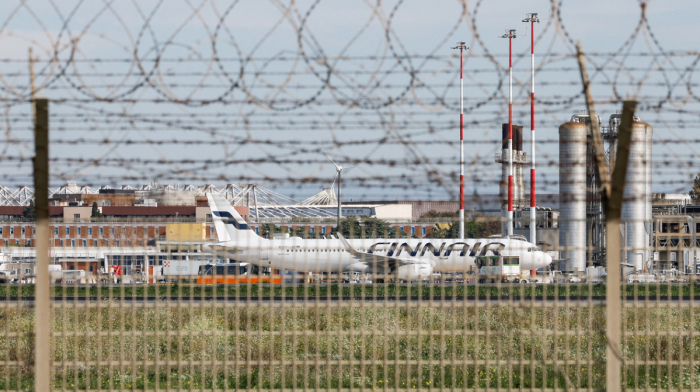
Romanian authorities said late on Thursday that two additional planes had received bomb threats including a KLM flight to Tel Aviv that had a layover in Bucharest.
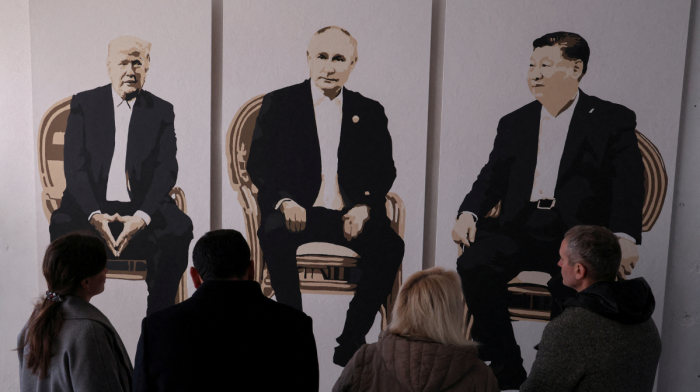
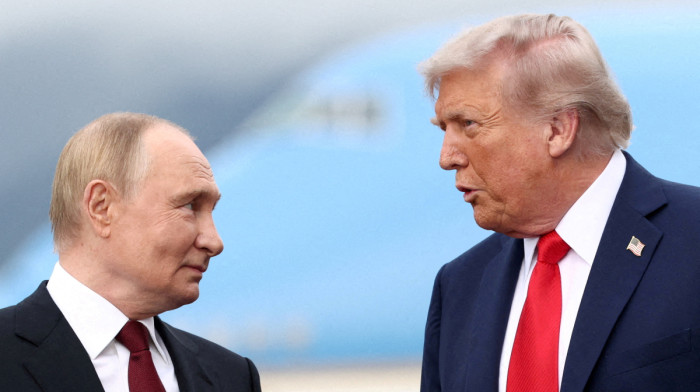
U.S. President Donald Trump has predicted a breakthrough in efforts to end the war in Ukraine after meeting Russian President Vladimir Putin’s envoy, Kirill Dmitriev, ahead of U.S.-mediated peace talks between Moscow and Kyiv in Abu Dhabi on 10-11 November.
U.S. Defense Secretary Pete Hegseth has vowed to fight attempts to impeach him, dismissing the growing campaign against him as politically motivated amid mounting criticism of his handling of the war in Iran.
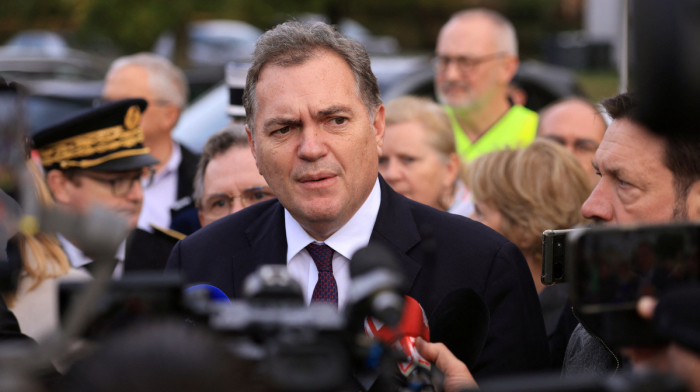
Two people, including a child, were killed and 16 others injured when an intercity bus crashed in eastern France on Friday morning, authorities confirmed.
Australian design platform Canva has announced a major restructuring affecting 22 per cent of its workforce, with 1,271 employees facing job cuts, relocations or changes to their roles as the company grapples with slowing growth and rising AI costs.
British Petroleum (bp) spent nearly $1.5 billion with suppliers and contractors across Azerbaijan, Georgia and Türkiye in the first nine months of 2026, highlighting the economic reach of major energy projects beyond oil and gas production.
Seven OPEC+ countries agreed on Sunday, 1 November, to keep oil production targets unchanged for December, extending an earlier freeze. But with the Iran war disrupting supplies and prices fluctuating, what is really driving the global oil market?
Cryptocurrencies are volatile, and their crashes make headlines. But does a slump in digital coins ever spill over into the pounds, dollars and euros in people's bank accounts? The short answer is not directly, but indirectly it can, and regulators are increasingly worried about how.
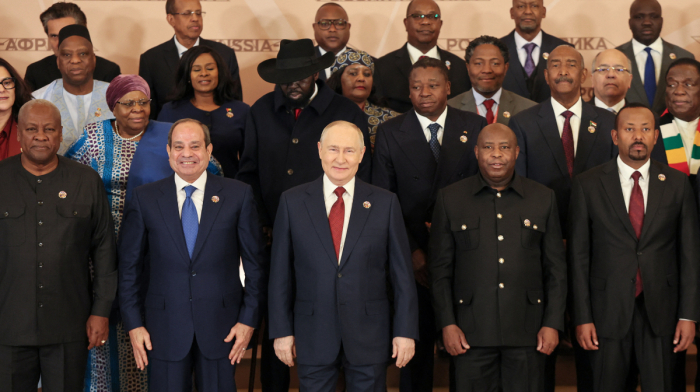
Russian President Vladimir Putin has praised record trade with Egypt as Moscow seeks to use its economic ties with Cairo to expand its influence across Africa, with a focus on manufacturing, infrastructure and energy.
You can download the AnewZ application from Play Store and the App Store.
What is your opinion on this topic?
Leave the first comment