Africa and Azerbaijan deepen business ties at Baku forum
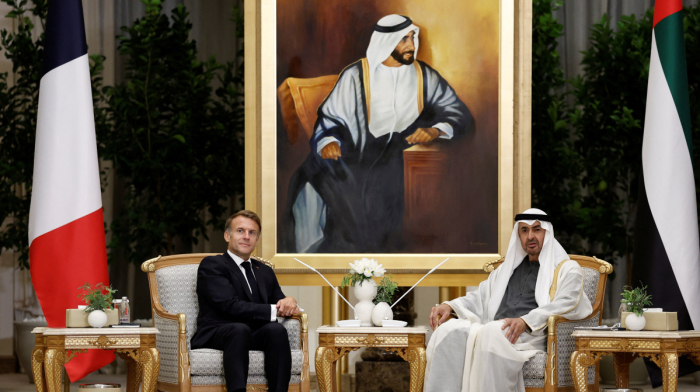
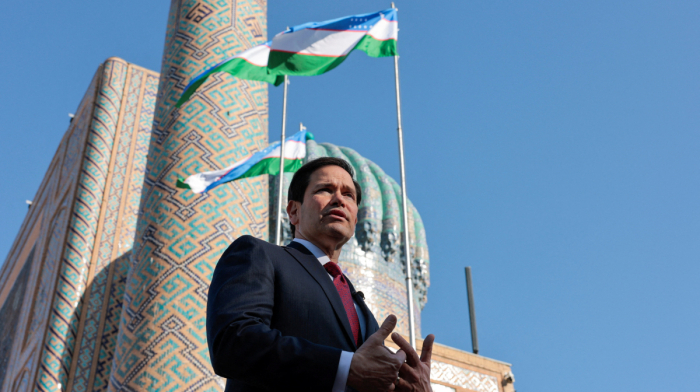
As Azerbaijan expands its economic partnerships beyond traditional markets, the Afri...
Nike is stepping back from China-based production for its U.S. market to dodge tariff-related costs, aiming to shift its sourcing strategy by 2026.
Currently, 16% of Nike’s U.S. shoe imports come from China, but the company aims to lower this figure to the high single digits by May 2026. Executives noted that tariffs could add nearly $1 billion to Nike’s costs. To offset this, the brand plans to restructure its sourcing, raise product prices, and explore corporate cost cuts.
Despite a 12% drop in fourth-quarter sales, Nike beat market expectations, with shares surging 11% in after-hours trading. The running category saw a return to growth, driven by renewed investment in products like the Pegasus and Vomero lines. Nike also increased marketing spend by 15% and hosted a high-profile event featuring star athlete Faith Kipyegon, highlighting its renewed focus on performance sportswear.
Looking ahead, Nike projects a mid-single-digit revenue decline in the first quarter—less severe than analysts’ expected 7.3% dip. However, executives cautioned that recovery in the Chinese market will be slow due to economic challenges and heightened competition.

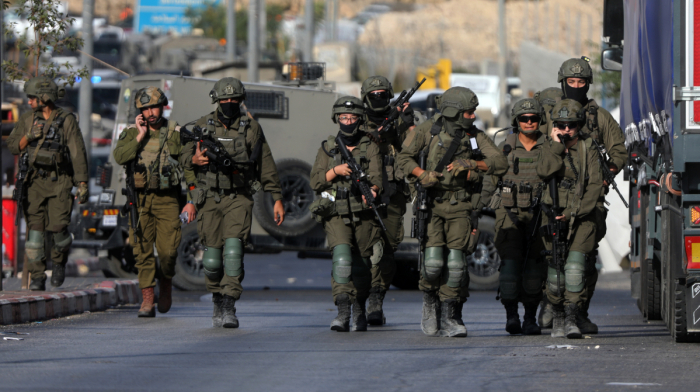
The U.S military said it carried out retaliatory strikes on Iran on Thursday (7 May). Meanwhile, Iran's Joint Military Command accused the U.S. of breaching the ceasefire, by striking an Iranian oil tanker in the Strait of Hormuz and launching attacks on several Iranian cities.
The U.S. and Iran exchanged fire in and around the Strait of Hormuz, though both sides signalled they did not want escalation. The clashes come as Washington awaits Tehran’s response to a proposed deal to end the war while leaving key disputes, such as Iran’s nuclear programme, unresolved for now.
Latvian authorities said two drones entered NATO member Latvia from Russian territory and crashed on Thursday morning, with officials linking them to Ukraine’s wider drone operations against targets in Russia.
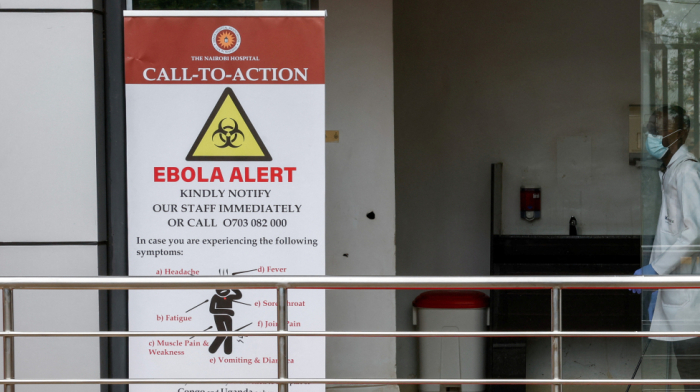
Singapore has isolated and is testing two of its residents who travelled aboard a cruise ship linked to a deadly hantavirus outbreak, the Communicable Diseases Agency (CDA) said on Thursday.
The United States is closely monitoring American passengers aboard a luxury cruise ship affected by a hantavirus outbreak, the U.S. Centers for Disease Control and Prevention (CDC) said on 6 May.
Asian stocks surged to record highs on 7 May as investors priced in growing hopes of a potential Middle East peace deal, while oil prices eased and the U.S. dollar weakened amid shifting global risk sentiment.
Stocks around the world climbed to fresh record highs on Wednesday (6 May), while oil prices fell sharply, after reports suggested the United States and Iran were nearing an agreement to end conflict.
U.S. President Donald Trump has said he will raise tariffs on cars and trucks imported from the European Union to 25% next week, up from the 15% level agreed last year, accusing the bloc of failing to comply with its trade commitments.
The decision by the United Arab Emirates to leave OPEC+ on 1 May has put renewed focus on one of the most influential groups in global energy - and how its decisions can shape oil prices worldwide.
The United Arab Emirates has said it's quitting OPEC from 1 May, dealing a major blow to the oil producers’ group and its de facto leader, Saudi Arabia, amid disruption caused by the Iran war.
You can download the AnewZ application from Play Store and the App Store.
What is your opinion on this topic?
Leave the first comment