live Trump says ceasefire is on ‘life support’ after calling Iran’s reply a ‘stupid proposal’ - Middle East conflict 11 May
U.S. President Donald Trump on Monday dismissed Iran’s response to a U.S. peace proposal as a “stupid proposal,” say...
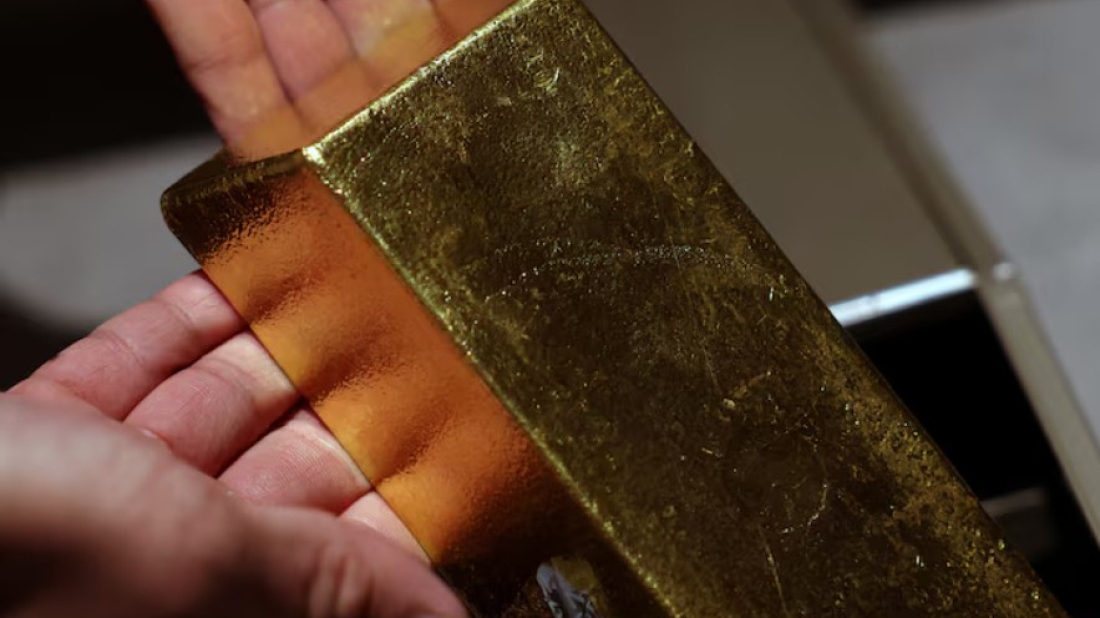
Central banks around the world expect their gold holdings as a proportion of their reserves to increase over the next five years while expecting their dollar reserves to be lower, a survey by the World Gold Council (WGC) showed.
Gold demand from central banks has risen significantly over the past three years despite its price rally to consecutive records. It hit an all-time high of $3,500.05 an ounce in April, up 95% since February 2022 when Russia invaded Ukraine.
Seventy three central banks responded to WGC's survey, carried out between 25 February and 20 May, and 76% of these expect their gold holdings to be higher in five years compared with 69% last year.
Nearly three-quarters of respondents expected central banks' dollar-denominated reserves to be lower in five years compared with 62% last year.
"Gold’s performance during times of crisis, portfolio diversification and inflation hedging are some key themes driving plans to accumulate more gold over the coming year," WGC said in a release.
Central banks have accumulated more than 1,000 metric tons of gold in each of the last three years, WGC said, adding that this represented a significant rise from the 400-500 ton average in the preceding decade.
"This marked acceleration in the pace of accumulation has occurred against a backdrop of geopolitical and economic uncertainty," WGC said.
A record 95% of respondents think central bank gold reserves will increase over the next 12 months, up from 81% last year, according to WGC's survey, which also showed the Bank of England remains the most popular location for their gold reserves.
Potential trade conflicts and tariffs were cited by 59% of central banks in the survey as relevant to the management of their reserves, the survey showed.
"A larger percentage of these came from emerging markets and developing economies - 69% - than advanced economy respondents - 40%", the council said.

Australia confirmed it will repatriate citizens from the MV Hondius cruise ship hit by a deadly hantavirus outbreak, with quarantine on arrival. Spain, France are evacuating nationals as three deaths are confirmed. In the U.S., two passengers have been isolated after testing positive for the virus.
U.S. President Donald Trump on Monday dismissed Iran’s response to a U.S. peace proposal as a “stupid proposal,” saying Tehran failed to commit to abandoning its pursuit of a nuclear weapon, while warning the fragile ceasefire was on “massive life support”.
Metropolitan Shio of Senaki and Chkhorotsku has been elected the 142nd head of the Georgian Orthodox Church at a meeting of clergy in Tbilisi following the death of longtime Patriarch Ilia II.
President Donald Trump called Iran’s response to a US war proposal “totally unacceptable” after Tehran sent its reply through mediator Pakistan, according to IRNA. Qatar’s al-Thani also warned Iran against using the Strait of Hormuz as “a pressure tool”.
A Turkish Airlines plane caught fire in its landing gear tyres after landing at Tribhuvan International Airport on Monday (11 May) morning, temporarily disrupting airport operations, officials said.
The Strait of Hormuz remains a vital maritime chokepoint and serves as the primary artery linking the Persian Gulf to international energy markets. With approximately 20% of global oil and gas shipments transiting this waterway, it is the backbone of energy security for Asia, Europe, and beyond.
China’s exports grew faster than expected in April, as overseas buyers moved quickly to secure supplies amid fears that the conflict involving Iran could drive up global energy and transport costs.
Asian stocks surged to record highs on 7 May as investors priced in growing hopes of a potential Middle East peace deal, while oil prices eased and the U.S. dollar weakened amid shifting global risk sentiment.
Stocks around the world climbed to fresh record highs on Wednesday (6 May), while oil prices fell sharply, after reports suggested the United States and Iran were nearing an agreement to end conflict.
U.S. President Donald Trump has said he will raise tariffs on cars and trucks imported from the European Union to 25% next week, up from the 15% level agreed last year, accusing the bloc of failing to comply with its trade commitments.
You can download the AnewZ application from Play Store and the App Store.
What is your opinion on this topic?
Leave the first comment