Türkiye and U.S. in ‘intensive’ talks over F-35 jets and sanctions
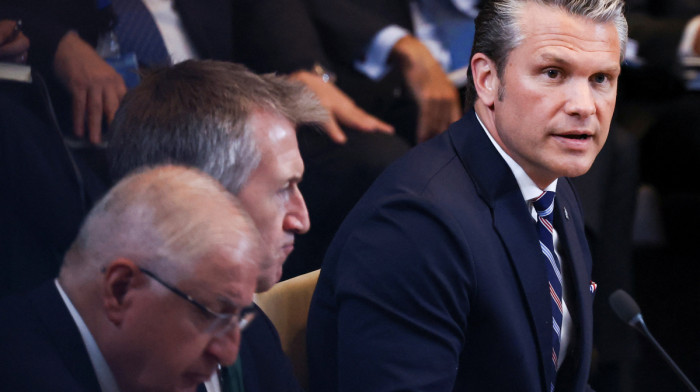
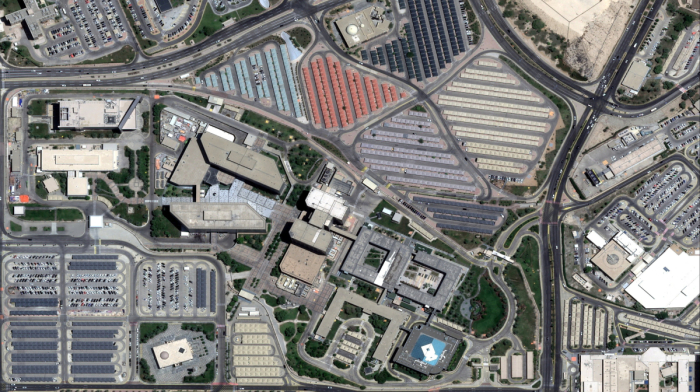
Türkiye says talks with Washington are continuing over six F-35 fighter jets it purchased but never received, as Ankara pushes for the lifting...
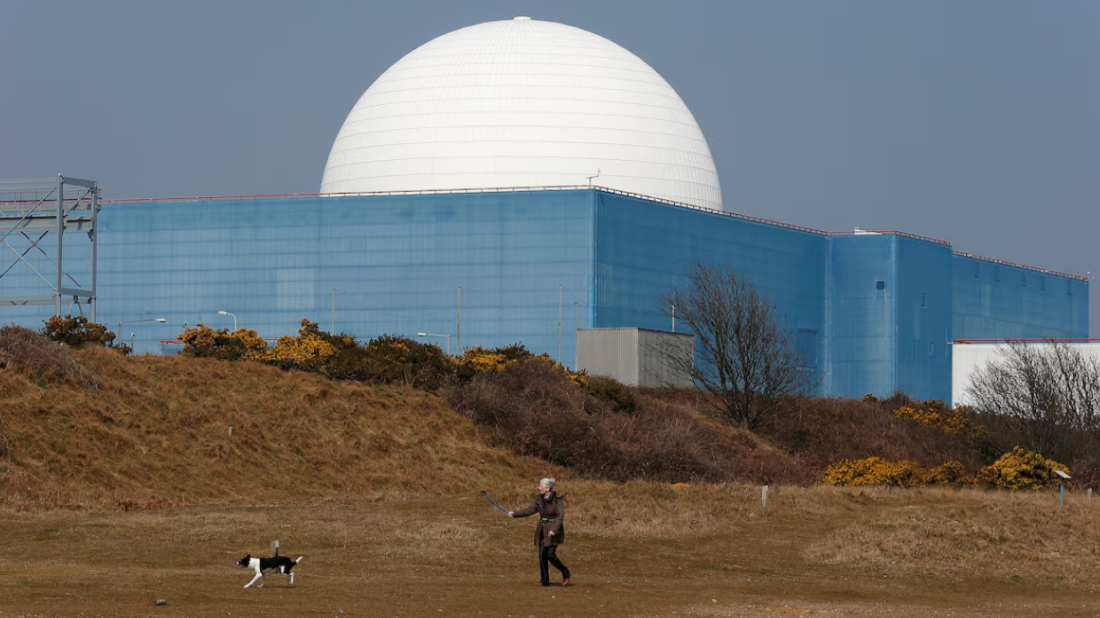
Britain will invest £14.2 billion in building the Sizewell C nuclear power plant in Suffolk, marking a major step in its long-term strategy to boost energy security and meet climate goals.
The UK government announced a £14.2 billion investment in the construction of the Sizewell C nuclear power plant in southeast England. The funding forms part of the country’s broader spending review, outlining strategic priorities over the next four years.
The project is central to Britain’s push to modernize its aging nuclear fleet, reduce reliance on fossil fuels, and reinforce energy independence amid global supply challenges. Once operational, Sizewell C is expected to power approximately six million homes and create 10,000 jobs at the peak of construction.
"We need new nuclear to deliver a golden age of clean energy abundance, because that is the only way to protect family finances, take back control of our energy, and tackle the climate crisis," said Energy Minister Ed Miliband.
Although the government has not disclosed the total estimated cost or completion timeline, the project will use the Regulated Asset Base (RAB) model. This approach allows developers to receive funding during construction, helping reduce financing risks. However, critics warn that the RAB model could expose taxpayers to budget overruns and raise consumer energy bills.
Sizewell C would be only the second new nuclear plant built in the UK in more than 20 years, following Hinkley Point C - a project led by France’s EDF that has faced delays and cost escalations. EDF remains a minority shareholder in Sizewell C, holding a 16.2% stake as of late 2023, with the UK government owning 83.8%. This balance is expected to shift further following the latest investment announcement.
Simone Rossi, CEO of EDF UK, welcomed the decision, calling it a “vote of confidence” in both the project and in the skills built through Hinkley Point C.
The government has not confirmed whether other investors will be brought into the project, although five entities were reportedly involved in a bidding process as of last December.
Sizewell C represents a cornerstone of the UK’s long-term green energy plan - a move seen as vital in achieving net-zero targets while maintaining energy resilience.

Yemen’s Houthis have claimed responsibility for the recent drone and missile strikes on Saudi Aramco facilities in Dhahran and Riyadh and at King Khalid International Airport in Saudi Arabia, vowing to carry out more attacks in the coming days.
The Saudi-led coalition said early Thursday that it intercepted and destroyed a drone over Saudi Arabia’s Eastern Province.
The Saudi-led coalition in Yemen said late Monday that it intercepted and destroyed two ballistic missiles launched by the Houthi group toward Khamis Mushait in southwestern Saudi Arabia.
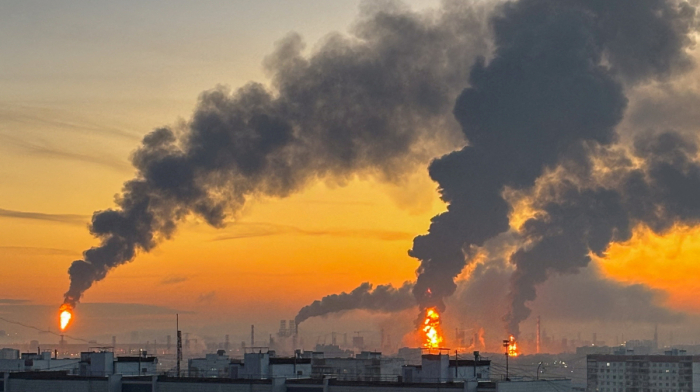
Ukrainian President Volodymyr Zelenskyy says Russia hit at least six energy targets in deadly strikes across Ukraine, showing Moscow is unwilling to accept the energy ceasefire announced by U.S. President Donald Trump.
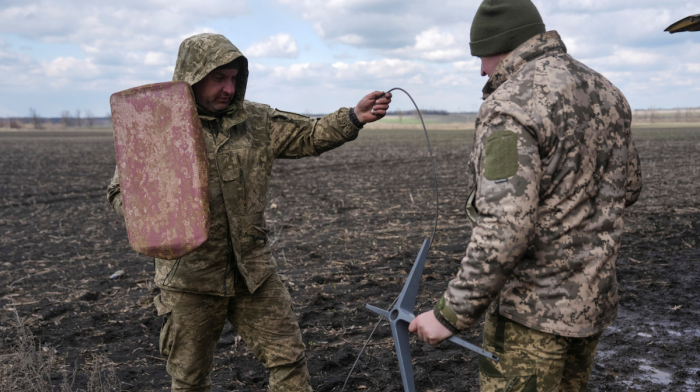
Ukraine's soldiers have had their access to Starlink satellite internet restricted. Kyiv's troops use the terminals, made by Elon Musk's SpaceX, to pilot drones. A source in Ukraine's Defence Ministry said the restrictions would make it harder for Kyiv's army to down Russian drones.
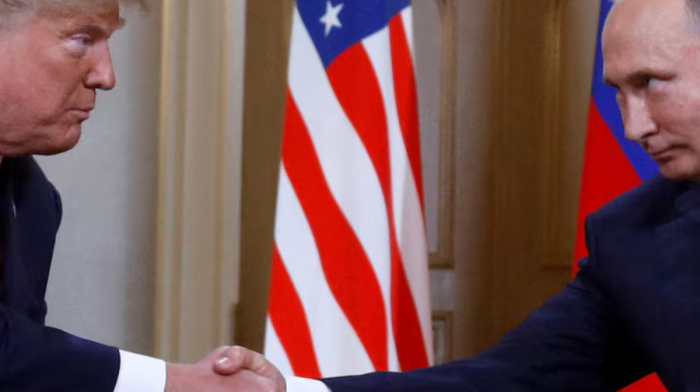
U.S. President Donald Trump has lifted sanctions on Russian diesel exports and announced a Russia-Ukraine energy ceasefire aimed at easing fuel prices ahead of November’s midterm elections. But can Moscow deliver and will the move will bring meaningful relief to markets?
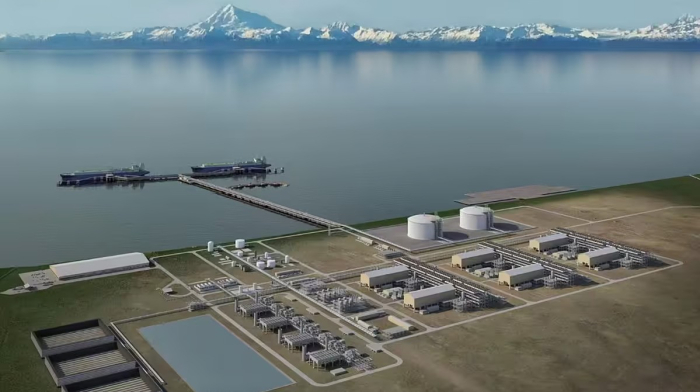
Taiwan plans to buy 30 per cent of Alaska LNG's annual output and invest up to $4.4 billion in the project, but binding contracts and financing remain unresolved as the U.S. pushes to expand energy exports to Asia.
Asian stocks plunged to their lowest level in more than two months on Tuesday as advances by Chinese chipmakers rattled investor confidence in the artificial intelligence boom, despite soaring global semiconductor sales.
Artificial intelligence investment is helping sustain global growth at around 3 per cent, with Asia poised to reap major benefits. But soaring energy costs, unequal investment and growing pressure on young workers threaten to leave some economies behind.
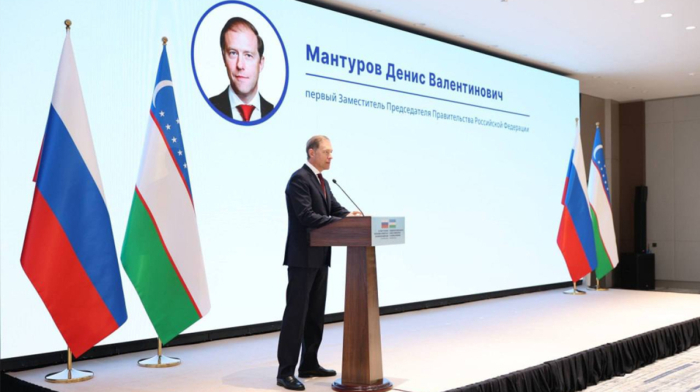
Uzbekistan and Russia have a portfolio of more than 200 joint projects worth almost $6 billion, as the two countries continue to expand regional and business ties. The projects were discussed during the third meeting of the Council of Regions of Russia and Uzbekistan, held in Fergana, Uzbekistan.
You can download the AnewZ application from Play Store and the App Store.
What is your opinion on this topic?
Leave the first comment