Drone attack sparks fire at power station in northern Sudan
A drone strike hit a power station in northern Sudan early Sunday (1 November), sparking a fire and triggering loud explosions, witnesses said....
Online retail platform Temu has begun adding steep “import charges” of around 145% to orders shipped to the United States, a direct response to President Donald Trump’s newly imposed tariffs on Chinese goods, CNBC reported.
The additional charges are significantly raising costs for U.S. consumers. In one example cited by CNBC, a summer dress listed at $18.47 on Temu now costs $44.68 after $26.21 in import fees—making the fees more expensive than the item itself.
While fast-fashion competitor Shein has also increased prices in reaction to the tariffs, it has not yet applied separate import charges.
The price hikes follow warnings issued by both companies earlier this month that U.S. customers would face higher prices starting April 25. The hikes are due to a 145% tariff on Chinese-made goods and the termination of a long-standing customs exemption that previously allowed imports under $800 to enter the U.S. without duty.
The new trade measures, part of Trump’s broader tariff policy, have disrupted the low-cost, high-volume sales models that platforms like Temu and Shein rely on, prompting operational changes and customer backlash across U.S. markets.
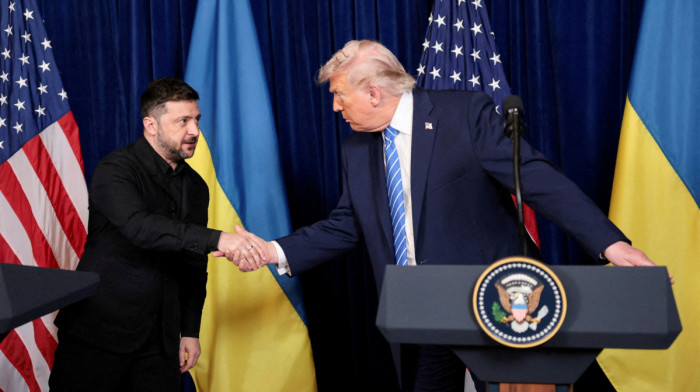
The U.S. has approved the sale of 500 Patriot PAC-3 missiles to Ukraine in a deal worth an estimated $2.1 billion, but Kyiv could face years of delays before receiving the weapons it urgently needs to defend against intensifying Russian attacks.
Iranian Supreme Leader Ayatollah Khamenei has ordered Iran's armed forces to respond to any threat immediately and without geographical limits in statements posted to social media platforms on Saturday (31 October).
Demonstrators carrying Iranian flags and placards supporting the hijab gathered outside the Azerbaijani Embassy in London.
A Chinese-made AI chip has matched Nvidia’s H200 in tests conducted by its developer, marking a potential breakthrough in China’s efforts to reduce its dependence on foreign technology.
A hacking group linked to North Korea is widely believed to be behind the theft of $6.3 billion from cryptocurrency giant Binance, a cyberattack that experts describe as the largest cryptocurrency heist on record.
Cryptocurrencies are volatile, and their crashes make headlines. But does a slump in digital coins ever spill over into the pounds, dollars and euros in people's bank accounts? The short answer is not directly, but indirectly it can, and regulators are increasingly worried about how.
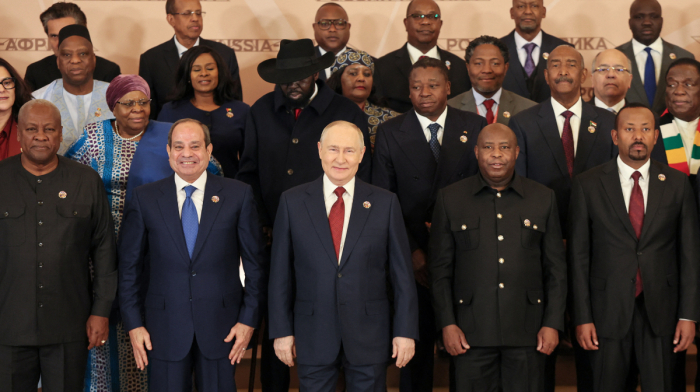
Russian President Vladimir Putin has praised record trade with Egypt as Moscow seeks to use its economic ties with Cairo to expand its influence across Africa, with a focus on manufacturing, infrastructure and energy.
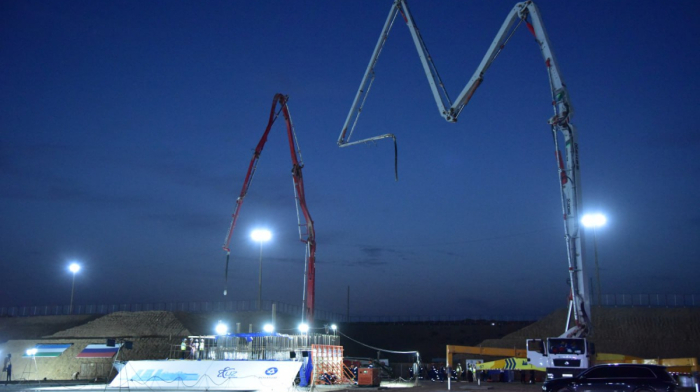
Kazakhstan could begin building its first nuclear power plant in 2027, President Kassym-Jomart Tokayev said on 28 October, according to Azertac. But as Central Asia steps up its energy ambitions, which countries are investing in nuclear power and which are pursuing alternatives?
Apple's latest iPhone 18 Pro series has outperformed its predecessor in early global sales, even as rising manufacturing costs and weaker demand in some markets put pressure on the smartphone industry, according to Counterpoint Research data released on Tuesday (27 October).
Uzbekistan is moving into a new phase in the development of Islamic finance, with the country’s first Islamic banking licence issued shortly before a regional forum in Samarkand brought together industry players to discuss how the sector can expand across Central Asia.
You can download the AnewZ application from Play Store and the App Store.
What is your opinion on this topic?
Leave the first comment