Gaza fishermen turn leisure boats into lifelines as industry struggles to survive
In a workshop surrounded by the wreckage of war, workers in Gaza are giving a second life to small leisure boats once used for family outings and swim...
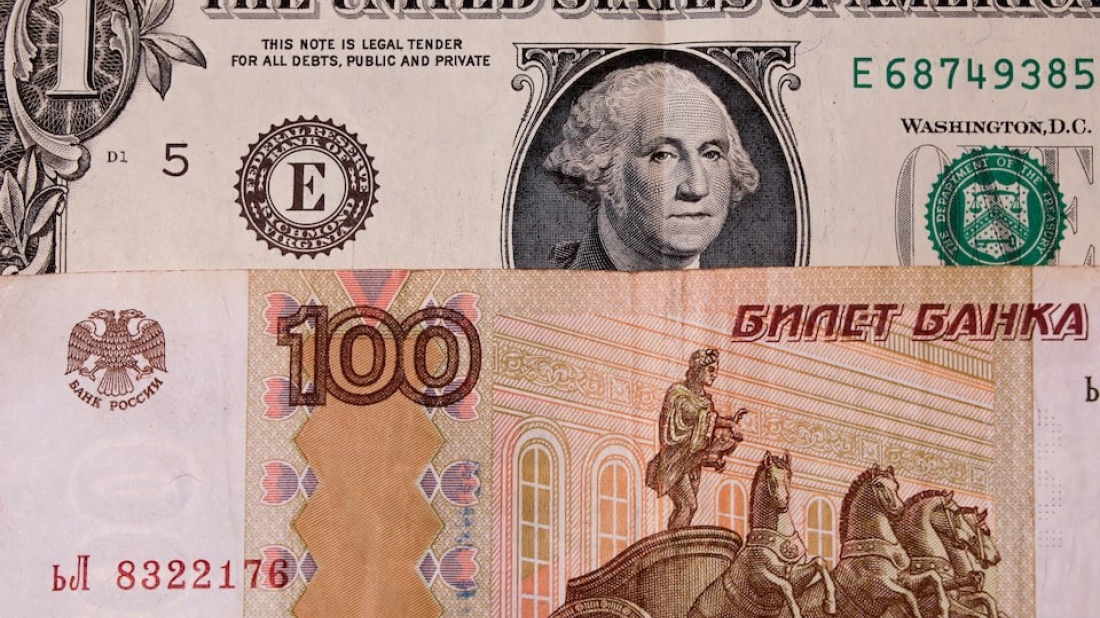
The Russian rouble surged past 81 to the U.S. dollar on Thursday, marking a 40% increase since the beginning of 2025.
The currency's rise is largely attributed to rising oil prices, which have bolstered Russia's main export sector. At 0900 GMT, the rouble was up by 1.5%, reaching 80.90 to the dollar in light trading ahead of the Orthodox Easter holiday. Oil prices saw a 3% jump on April 17, further supporting the rouble's gains.
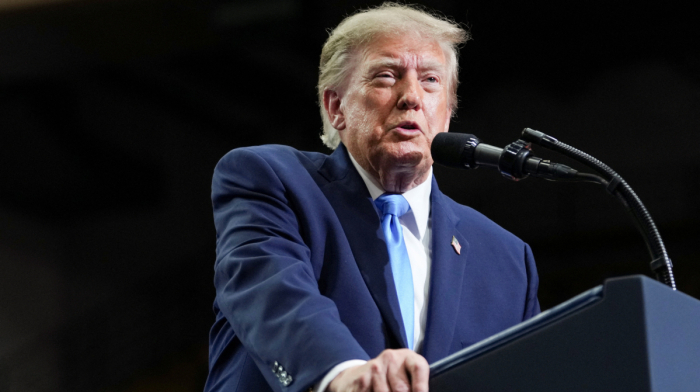
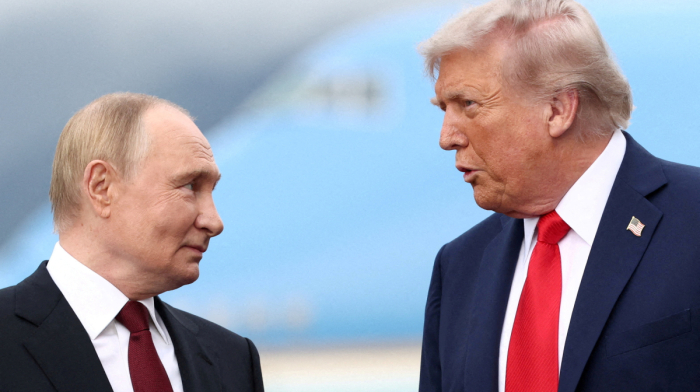
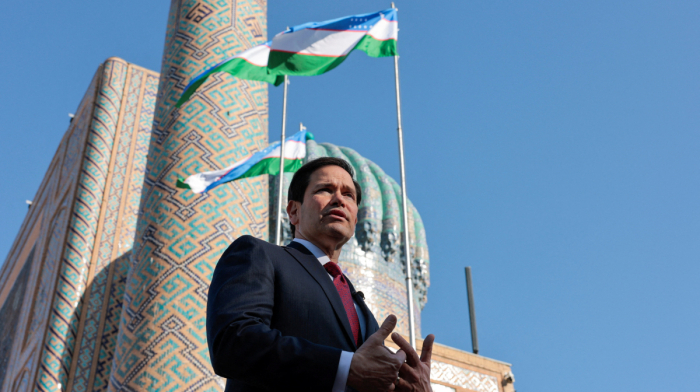
This marks the rouble's strongest position since June 28, 2024, signaling a notable recovery for the Russian currency. The rouble has gained significantly since the start of the year, buoyed by expectations of easing tensions between Russia and the United States. Despite this, the rouble has remained unaffected by recent comments from U.S. Secretary of State Marco Rubio, who suggested that President Donald Trump may soon abandon efforts to broker a peace deal between Russia and Ukraine unless clear progress is made.
Against the Chinese yuan, which the Russian central bank uses for foreign exchange interventions, the rouble was up 0.1%, trading at 11.08 on the Moscow Stock Exchange. The rouble's resilience reflects both the strength of Russia's energy exports and the ongoing shift in global financial dynamics.

Five Azerbaijani crew members were killed, and three others were injured after two cargo vessels were hit in a drone attack in the Sea of Azov, Azerbaijan's Foreign Ministry said on Friday, as Russia blamed Ukraine for the strike.
The new AnewZ documentary, TARGET: Yerevan, builds its explosive case on exclusive, secret recordings originally published by Minval Politika.
Azerbaijan has strongly rejected allegations published by CNN claiming that its territory was used for Israeli military and intelligence operations against Iran, describing the report as entirely baseless and demanding a retraction.
Armenia will hold parliamentary elections on 7 June 2026, a vote that will shape the country’s political direction for the next five years. Understanding how the electoral system converts votes into parliamentary power is key to following the outcome and its wider regional implications.
Armenia’s National Assembly election on 7 June is increasingly being viewed not only as a domestic political contest, but also as a vote that could shape the future direction of the South Caucasus.
Chinese carmakers are rapidly reshaping the global automotive market, with record exports, soaring electric vehicle sales and growing investments overseas putting pressure on established European, Japanese and U.S. rivals.
The International Labour Organization (ILO) has begun its latest round of negotiations on creating the first binding global standards for platform-based work, covering services such as ride-hailing, food delivery and other app-based work.
European companies are continuing to deepen their presence in China, with nearly seven in ten firms maintaining or expanding their supply chains despite global efforts to diversify, according to a new survey by the EU Chamber of Commerce.
BP has removed its chair, Albert Manifold, with immediate effect, citing concerns over governance and conduct. The company said its board had unanimously decided that Manifold should no longer serve as chair or director.
The dual-class share structure outlined in SpaceX’s initial public offering (IPO) filing, which gives chief executive Elon Musk outsized control, has reignited one of Wall Street’s longest-running debates over corporate governance.
You can download the AnewZ application from Play Store and the App Store.
What is your opinion on this topic?
Leave the first comment