Israeli army extends Hebron siege into second day
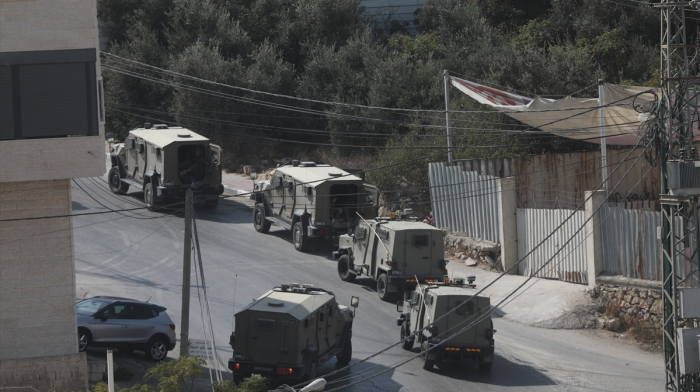
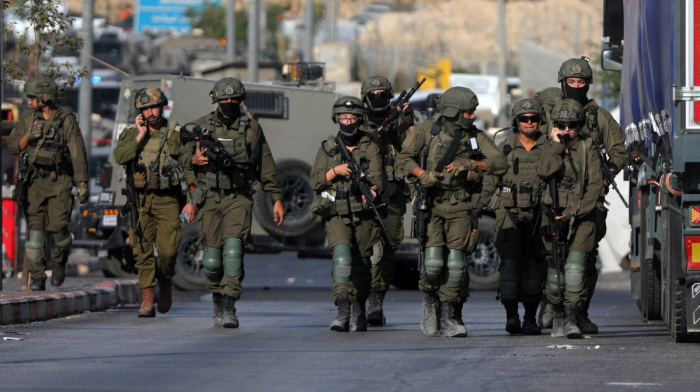
Israeli forces have maintained a tight closure on Hebron in the occupied West Bank for a second day, with Palestinian media reporting home raids, m...
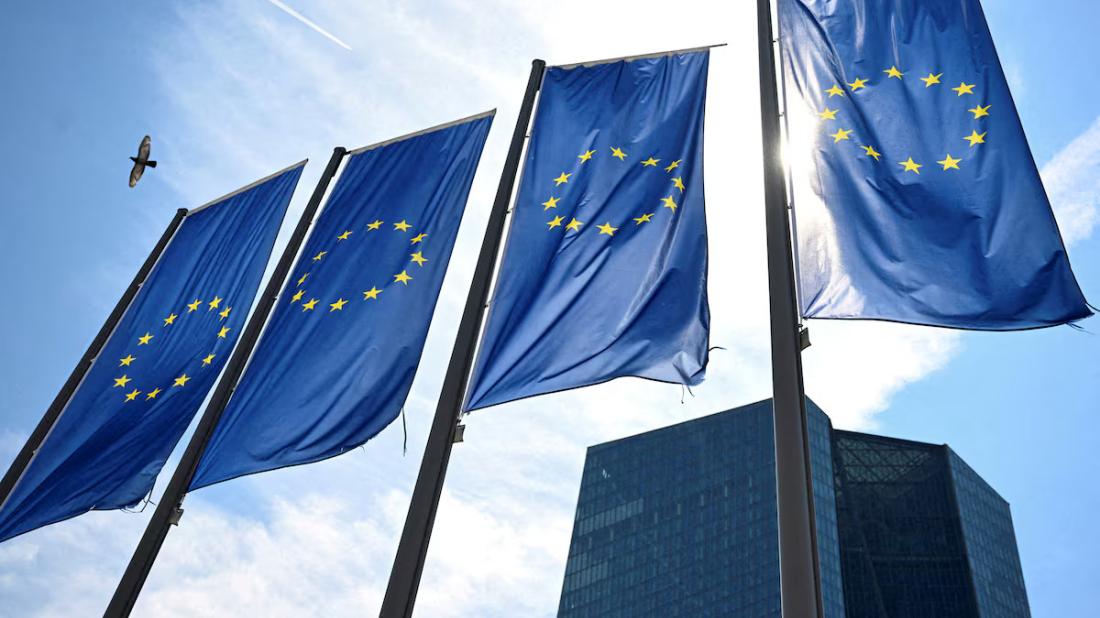
EU lawmakers raised concerns about the digital euro project after a major failure in the ECB’s payment system, Target 2, which caused delays in transactions. Critics question the ECB's ability to manage the project, with some demanding improved systems before moving forward.
EU Lawmakers Raise Concerns Over Digital Euro After ECB Payment System Failure
The European Central Bank (ECB) faces renewed scrutiny over its digital euro initiative following a significant outage in its Target 2 (T2) payment system, which caused delays in transactions for thousands of households and traders. The breakdown, which occurred late last month, highlighted issues with the ECB's ability to manage critical infrastructure after an initial misdiagnosis delayed the resolution.
Several lawmakers, including Markus Ferber from the European People's Party, expressed concerns about the ECB’s credibility, questioning whether it could successfully manage the digital euro project. “How can the ECB run a digital euro when it struggles to keep daily operations running smoothly?” Ferber remarked.
Despite assurances that the digital euro would function similarly to the ECB's more reliable instant payment system, TIPS, lawmakers remain cautious. They stress that the ECB must restore public trust to avoid jeopardizing the project’s success. Some, like Rasmus Andresen of the Greens, emphasized the importance of improving the bank’s systems. The European Commission proposed digital euro legislation in 2023, but progress has stalled, with resistance from both lawmakers and bankers, who worry about the impact on traditional financial institutions.
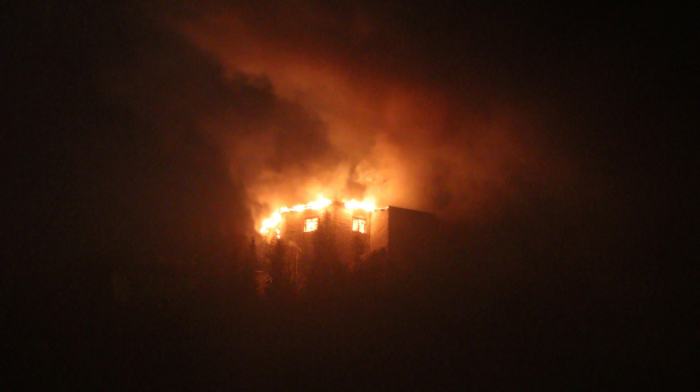
Israeli military bulldozers have begun demolishing buildings in the West Bank city of Hebron on Friday, 23 October, following armed clashes with Palestinians that left two Israeli soldiers dead, according to the Israeli military.
Around 11,000 people joined a demonstration in Orléans on Saturday against the National Rally congress, according to the local prefecture.
Typhoon Champi swept past Taiwan on Saturday, leaving one person dead and more than 500 injured as strong winds and torrential rain brought down trees, cut power and disrupted transport across the island.
A powerful magnitude 7 earthquake has struck Tibet in southwestern China, killing 16 people and injuring 65, while forcing more than 12,000 residents to relocate as rescue teams respond to widespread aftershocks.
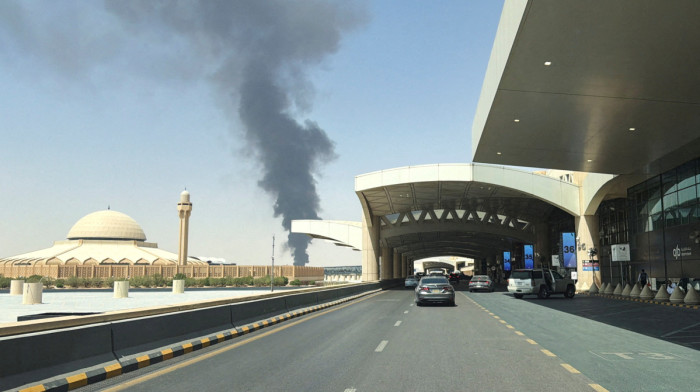
Missile and drone attacks have put Saudi Arabia on high alert, disrupting life in Riyadh and testing a new defence pact with Türkiye and Pakistan as regional tensions escalate.
Azerbaijan's economy is forecast to grow by 1.7 per cent in 2026 and 2.3 per cent in 2027, according to the International Monetary Fund (IMF), while growth across the wider Caucasus and Central Asia region is expected to slow.
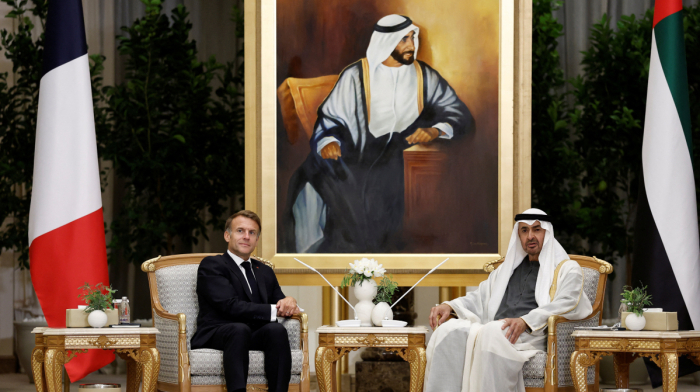
As fuel prices surge nearly 37 per cent and protests over living costs turn violent, French President Emmanuel Macron is seeking fresh energy supplies and partnerships in the Gulf. But can diplomacy abroad ease mounting pressure at home?
Azerbaijan and Georgia are targeting more than $2 billion in bilateral trade as the neighbouring countries strengthen energy partnerships, expand transport links and pursue new investment opportunities.
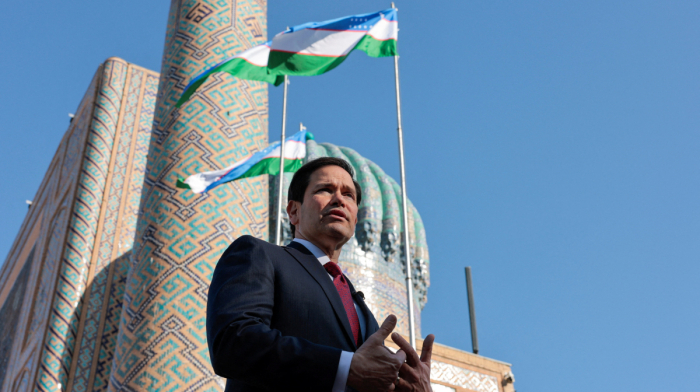
More than 200 U.S. business leaders have joined Secretary of State Marco Rubio in Uzbekistan as Washington steps up efforts to turn closer diplomatic ties with Central Asia into trade and investment deals.
Thirty-five years after restoring independence, Azerbaijan's economy has more than tripled in real terms. Official data reveal how investment, manufacturing, private enterprise and digital development have reshaped the country's economic landscape.
You can download the AnewZ application from Play Store and the App Store.
What is your opinion on this topic?
Leave the first comment