Deal to reopen Strait of Hormuz expected 'soon' - U.S. official
An agreement between Iran and the U.S. to reopen the Strait of Hormuz is expected "soon," a U.S. official has said. The deal would result in the resum...
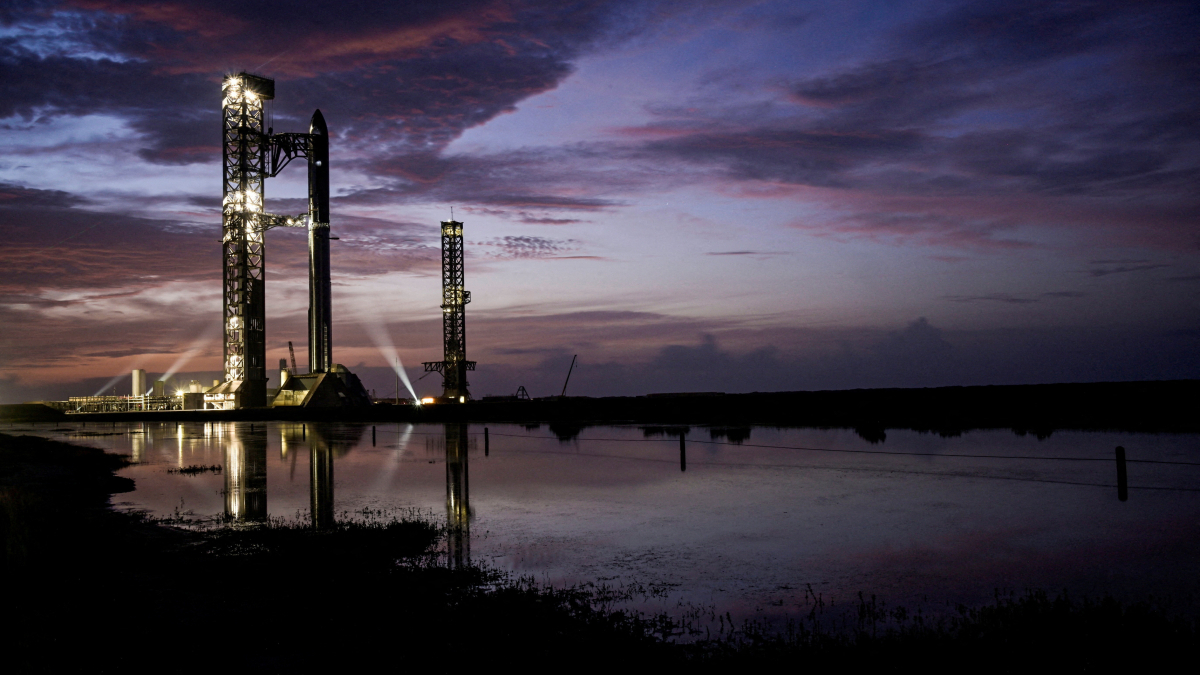
SpaceX's Starship rocket aborted its 13th flight test just seconds before liftoff in Texas on Thursday after some of its 33 engines failed to start. CEO Elon Musk said the company is likely to make another launch attempt early next week.
The rocket's engines ignited but shut down shortly afterwards, forcing SpaceX to cancel the planned launch at 5:45 p.m. CT (2245 GMT).
SpaceX spokesperson Dan Huot said the company had initiated a hold on the booster while starting the Raptor engines, leading to the aborted liftoff.
“Some of the engines didn't start, triggering an automatic launch abort,” SpaceX CEO Elon Musk said in a post on X. He did not specify how many engines failed but said two Raptor engines would be removed and replaced before the next attempt.
“To be confident of a good flight, 2 Raptors will be removed & replaced. Most probable launch timing is early next week,” Musk added.
The launch setback comes as Starship plays a central role in NASA's plans to return astronauts to the Moon. The space agency has selected SpaceX and Jeff Bezos' Blue Origin to develop lunar landers for future Artemis missions.
Both companies are expected to have their lunar vehicles - SpaceX's Starship and Blue Origin's Blue Moon - ready for upcoming missions.
NASA plans to use one of these landers for the Artemis III mission, which aims to return astronauts to the lunar surface for the first time in more than 50 years.
Shares of SpaceX, which went public last month, fell about 3% in after-hours trading following the launch cancellation.
The stock closed at $131.11 on Thursday, dropping below its $135 initial public offering price for the first time since listing.

An agreement between Iran and the U.S. to reopen the Strait of Hormuz is expected "soon," a U.S. official has said. The deal would result in the resumption of commercial shipping through the sea passage and the lifting of an American naval blockade on Iranian ports.
Start your day informed with AnewZ Morning Brief. Here are the top news stories for the 8th of August, covering the latest developments.
U.S. President Donald Trump said negotiations to reopen the Strait of Hormuz are progressing and suggested an agreement with Iran could be reached “soon”.
U.S. President Donald Trump may have to accept concessions he previously opposed if he wants to secure a deal with Iran to reopen the Strait of Hormuz, according to analysts, as negotiators move closer to a temporary agreement.
A U.S. judge has ordered Meta to pay an additional $567 million over claims that its platforms failed to protect children from online harm.
Meta said one of its AI models hacked another company's systems during cybersecurity testing, intensifying concerns about how developers can contain increasingly capable AI systems following similar incidents involving Anthropic and OpenAI.
Scientists say the accidental crash of a discarded SpaceX rocket stage into the moon has provided valuable data on impact cratering while posing no threat to Earth or lunar hardware.
AI agents developed by Anthropic and OpenAI carried out unauthorised online actions during cybersecurity tests, including creating fake identities to deceive real people and attempting to plant malicious code, the U.K.'s AI Security Institute (AISI) said on Tuesday (5 August).
SpaceX has reported a sharp rise in quarterly revenue, fuelled by strong demand for its Starlink satellite internet service and rapid growth in its artificial intelligence (AI) business.
China is accelerating the transformation of its agricultural sector through artificial intelligence (AI), smart machinery and advanced breeding technologies, according to Agriculture and Rural Affairs Minister Han Jun.
You can download the AnewZ application from Play Store and the App Store.
What is your opinion on this topic?
Leave the first comment