European leaders meet in Finland as Arctic security concerns grow
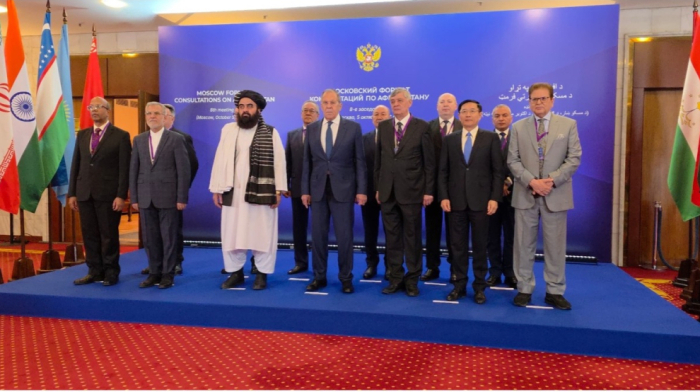
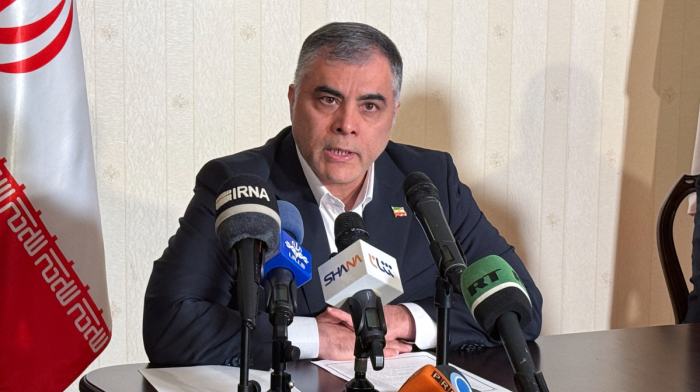
European leaders are meeting in Finland for a high-level summit on Arctic security and cooperation as the region takes on greater strategic importa...
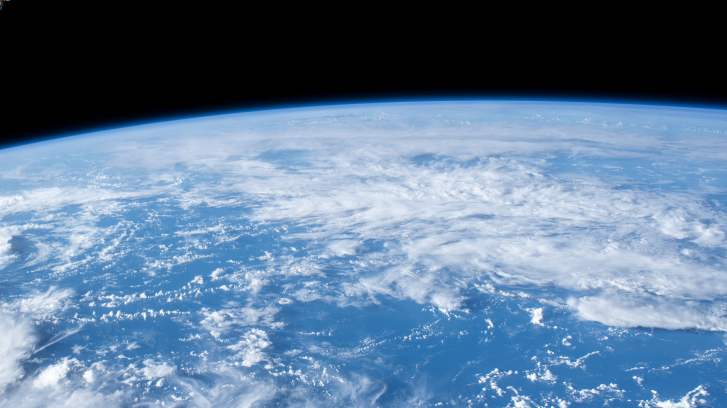
A Chinese research team has unveiled a prototype washing machine designed for use in space, joining a growing international push to solve one of the more mundane but pressing challenges of long-duration missions: laundry.
China Says No to Smelly Astronauts - Space Washing Machine in the Works
Currently, astronauts aboard the International Space Station (ISS) and China’s Tiangong space station cannot wash their clothes. Instead, they wear garments multiple times before discarding them, adding significantly to cargo loads on resupply missions. As China plans for extended stays aboard Tiangong and prepares for future lunar and Mars missions, the need for a sustainable clothing-cleaning system has become more urgent.
The Chinese design reportedly uses minimal water and detergent, relying on condensation recycling and vibration technology to loosen dirt and sterilize fabrics. Engineers say the system must balance three demands:- low water consumption, efficient power use, and the ability to operate in microgravity without spilling or causing vibrations that could disrupt the spacecraft.
The project places China alongside other players in the space laundry race. Last year, NASA and Procter & Gamble announced joint trials of Tide’s special detergent and cleaning system for space use. Meanwhile, European researchers have tested concepts such as ultrasonic cleaning and fabric-recycling solutions.
Space experts note that while a washing machine may sound like a trivial luxury, it could have major benefits. Clean clothes reduce health risks and improve morale on months-long missions. They also cut down on the need to send large volumes of fresh garments from Earth, freeing up cargo space for food, equipment, and scientific instruments.
As China accelerates its space program - with plans for a lunar base by 2030 - developing practical technologies for everyday life in orbit is becoming increasingly central. The new washing machine prototype is expected to undergo further testing before potential deployment on Tiangong.
“Living in space isn’t just about surviving, it’s about sustaining a healthy, comfortable environment,” one researcher was quoted as saying. “A washing machine may seem simple on Earth, but in space it represents a big step toward long-term human presence.”

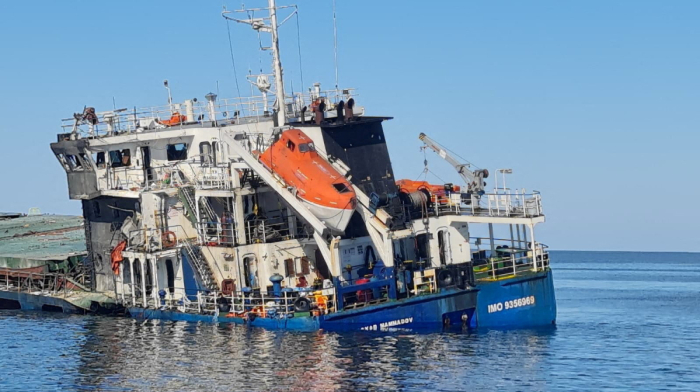
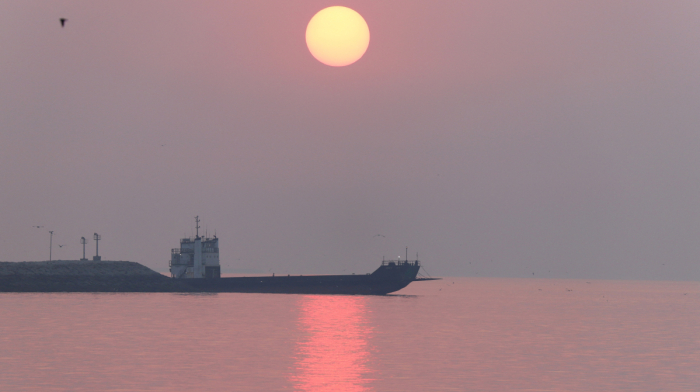
Maritime trackers received new reports of an attack on a ship in the Strait of Hormuz on Sunday, according to the UK Maritime Trade Operations (UKMTO), adding to concerns about energy supplies after Saudi Arabia shut down a vital oil pipeline on Saturday.
A Kyiv-Warsaw train was struck near the Polish border, Ukraine's state railway firm said on Sunday. No passengers were injured. Ukrainian Railways said that the country's railways were facing systematic attacks for a second day and warned of widespread delays.
U.S. Central Command said 101 commercial vessels have been redirected in the Strait of Hormuz, while oil prices rose more than three per cent amid fresh regional attacks and supply concerns.
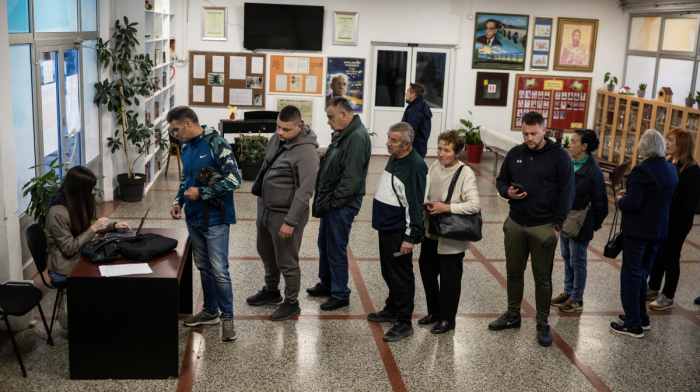
Swedes vote in an election on Sunday (13 September) that could see the far-right enter government for the first time if the country's right-wing parties can form a majority.
A Russian strike on a farm warehouse in Pryluky, north-central Ukraine, has killed at least three people, local police said. Meanwhile, EU foreign policy chief Kaja Kallas said an attack on a train near the Polish border was an attempt to intimidate Ukraine's allies.
Shares in artificial intelligence-related companies fell sharply across Asian markets on Monday, after some of the industry's most prominent chief executives warned that the breakneck pace of AI development needs to slow down.
The head of artificial intelligence company Anthropic has called for the industry to slow the pace at which it develops increasingly capable artificial intelligence (AI) systems, arguing that more time is needed to address the risks they may create.
GITEX AI Türkiye opened in Istanbul on Wednesday, bringing the international technology exhibition network to the country for the first time.
A former OpenAI and Anthropic researcher has quit his job with a stark warning: the companies building some of the world’s most powerful artificial intelligence (AI) systems are racing towards technology they themselves fear could threaten humanity.
Nobel laureate Geoffrey Hinton has warned against rushing to develop artificial superintelligence, arguing that scientists still do not know how to ensure systems more capable than humans remain safe and under control.
You can download the AnewZ application from Play Store and the App Store.
What is your opinion on this topic?
Leave the first comment