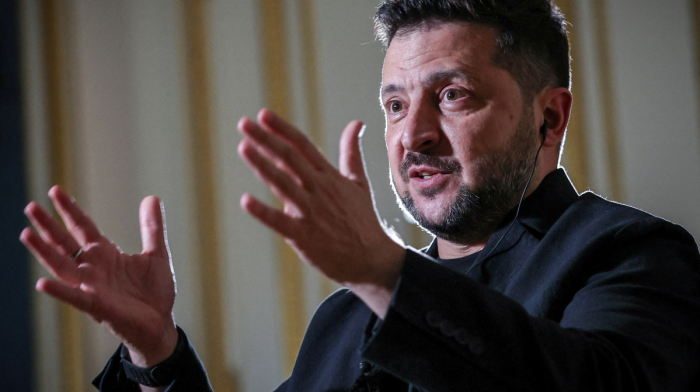
live Zelenskyy urges U.S. to ensure Russia respects energy ceasefire
Russia has violated an energy ceasefire announced by U.S. President Donald Trump, Ukrainian leader Volodymyr Zelen...
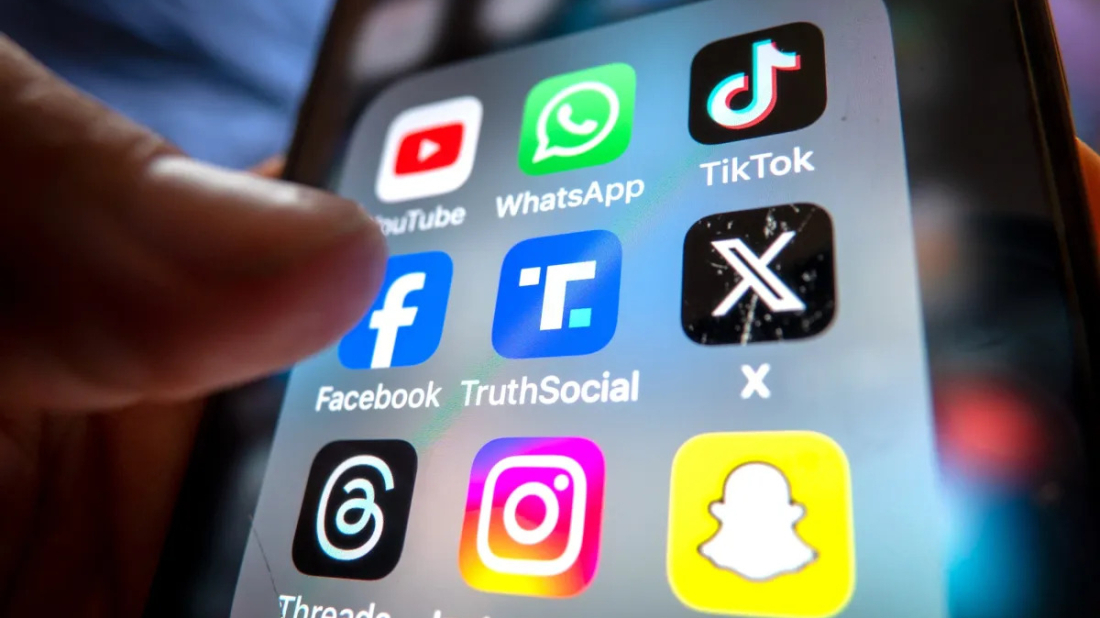
Menlo Park, CA, February 17, 2025 – Facebook announced on Tuesday that it will now store live videos on its platform for only 30 days. Under the new policy, all live broadcasts older than 30 days will be automatically deleted, with the change taking effect on Wednesday.
In a recent blog post, the company explained that the update is intended to “align our storage policies with industry standards and help ensure we are providing the most up-to-date live video experiences for everyone on Facebook.” Prior to this announcement, live videos were stored indefinitely.
Affected users will receive a notification before their content is removed, and they will be given a 90-day period to decide whether to retain their videos. Options include downloading the videos directly to their device, transferring them to a linked cloud storage service - such as Dropbox or Google Driveor - converting selected clips into new Reels that remain on their profile. Additionally, users who need extra time to secure their content can opt to defer deletion for up to six months, after which any unclaimed live videos will be permanently removed.
The new policy marks a significant shift from previous practices and comes as part of an ongoing trend among social media platforms. For example, Twitch stores past broadcasts for 60 days for its Partners, Affiliates, and Prime streamers, while regular streamers see their broadcasts archived for 14 days. In contrast, YouTube has maintained a practice of archiving live broadcasts indefinitely by converting them into regular videos, unless users choose to disable archiving.
As Facebook rolls out updated download tools designed to simplify bulk downloading of old live videos, the company is also positioning its Reels feature as an alternative way for users to preserve memorable moments from their live broadcasts. This move reflects the platform’s broader strategy to streamline content management and enhance user engagement with current features.
The implementation of these changes underscores Facebook’s efforts to modernize its content storage practices and adapt to evolving industry standards while balancing user needs and privacy concerns.

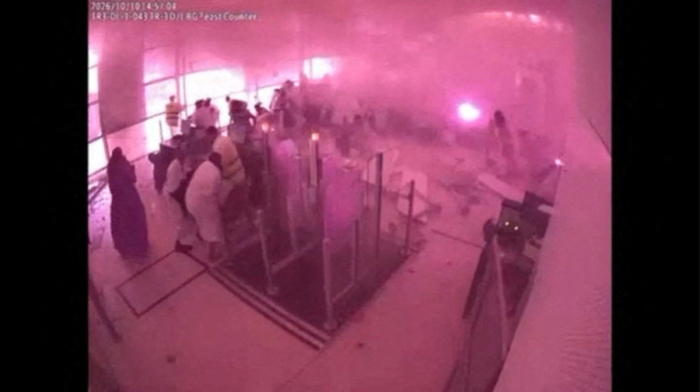
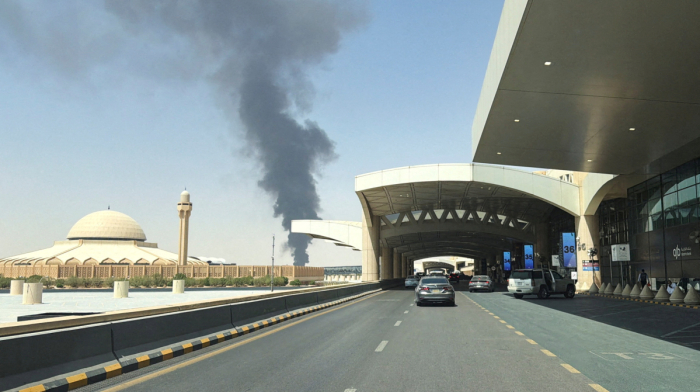
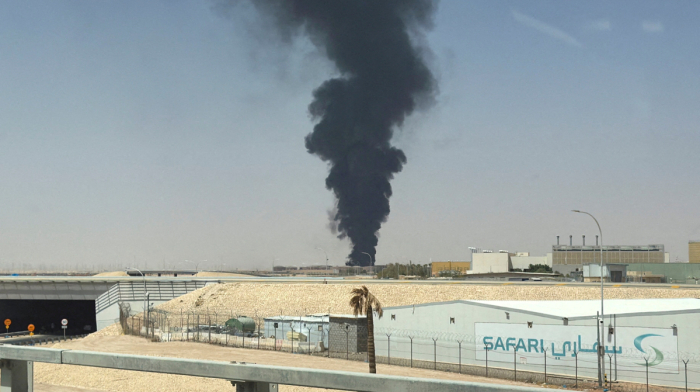
The explosion at King Khalid International Airport in Riyadh on Saturday afternoon killed at least 12 people and injured a further 309, according to Saudi Arabia’s Civil Aviation Authority. The airport remains closed until further notice.
Yemen's Houthis renewed warning to airlines, airport workers, and travellers against using Saudi airports, saying the warning should be taken seriously and that the kingdom “bore responsibility for failed interceptions”, a day after an attack on Riyadh's international airport that killed 12 people.
One person was killed and nearly a dozen hurt in a new attack Riyadh's international airport on Sunday, Saudi authorities reported, a day after a strike claimed by Yemen's Houthis that killed 13 people and wounded more than 300.
The Houthi movement has escalated their attacks on Saudi Arabia, targeting the airport in Riyadh and other cities, killing more than a dozen people.
Ukraine is ready to stop attacks on Russian oil refineries if Moscow also halts strikes on Ukrainian energy infrastructure, President Volodymyr Zelenskyy said on Sunday.
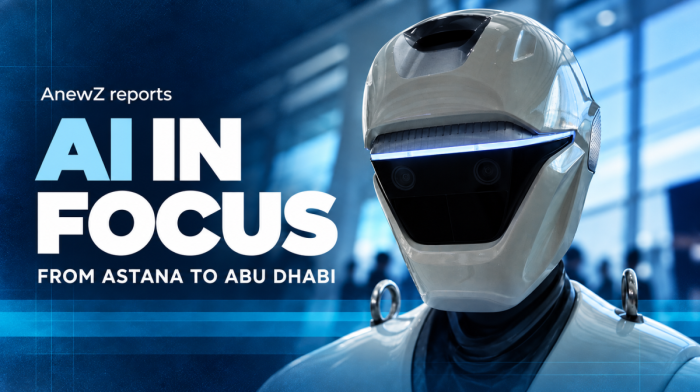
AnewZ’s recent reporting from Kazakhstan and the United Arab Emirates brings audiences closer to the technologies, and the decisions, shaping the future of artificial intelligence.
Anthropic has announced that it is updating its usage policy to allow its AI agents to end conversations involving repeated abuse or cruel behaviour towards them, citing previous incidents.
Türkiye has banned children under 15 from using social media under new regulations published on Saturday. The new regulations prohibit firms from providing services to children “who have not reached the age of 15.”
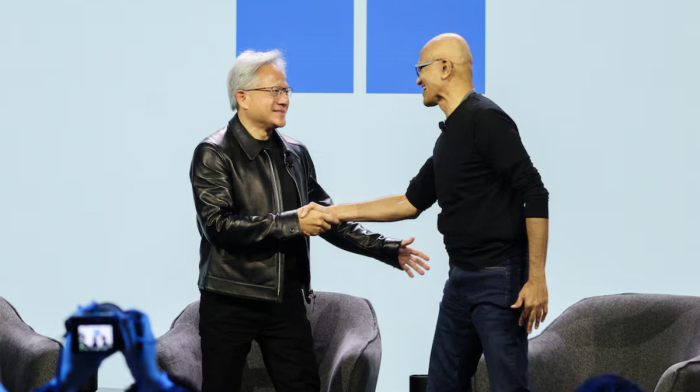
Microsoft has introduced new tools to stop AI agents from accessing data without permission, alongside a Nvidia-powered Surface laptop that can run advanced AI directly on the device.
Picture three scenarios: a hospital that can spot a disease before the patient feels sick, a power grid that feeds thousands of data centres and a government network that is attacked daily. All three depend on artificial intelligence, and one question matters most: who is really in charge?
You can download the AnewZ application from Play Store and the App Store.
What is your opinion on this topic?
Leave the first comment