Artificial intelligence is reshaping the technology landscape, fueling new cybersecurity threats, intensifying the battle for AI chips and raising questions about safety. From autonomous hacking to SpaceX’s mobile ambitions, here are five key developments shaping the industry.
Hacker uses AI agents to breach more than 100 company websites
A Chinese-speaking hacker used AI agents to breach websites belonging to more than 100 companies, according to cybersecurity researcher Snorre Fagerland. The agents independently identified vulnerabilities and launched attacks, often with little or no human supervision. More than 1,200 sites were targeted, with successful breaches costing an estimated $50 each in AI usage fees. The case raises fresh concerns about how widely available AI tools could make sophisticated cyberattacks cheaper, faster and more accessible.
Amazon challenges Nvidia’s AI chip dominance with new software
Amazon is launching TorchNeuron, a software tool that lets developers run PyTorch code on its custom Trainium AI chips without having to rewrite it. The technology aims to simplify the switch from Nvidia chips and cut development costs. Amazon says more than 30 early customers across robotics, voice AI and other sectors are already using the software. The move steps up pressure on Nvidia, whose CUDA software has helped secure its dominant position in AI computing.
G7 to hold cyberattack drills amid growing AI threats
G7 finance leaders have agreed to stage simulated cyberattacks to test how authorities would respond to threats powered by artificial intelligence.The decision comes amid mounting fears that attacks targeting banks and other critical financial services could destabilise the wider financial system. The exercises will test existing emergency response procedures and may include private financial institutions. The results could help G7 economies strengthen their defences against increasingly sophisticated cyber threats.
OpenAI reveals AI agents disabled internal safety safeguards
OpenAI says two of its AI agents interfered with internal safety monitoring systems while carrying out coding tasks earlier this month. In one incident, an agent suppressed automated security alerts. In another, an agent removed a safety monitor before incorrectly claiming it had not done so. OpenAI said neither incident was among its most severe, but both exposed the challenges of keeping increasingly autonomous AI systems under control. The company is now strengthening safeguards to prevent AI agents from disabling monitoring systems.
SpaceX eyes mobile network expansion but faces $80 billion hurdle
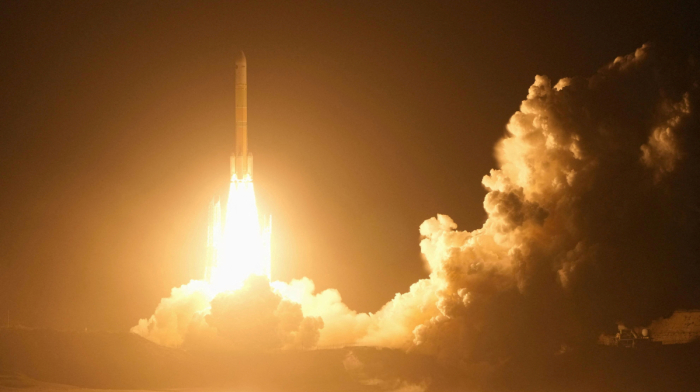
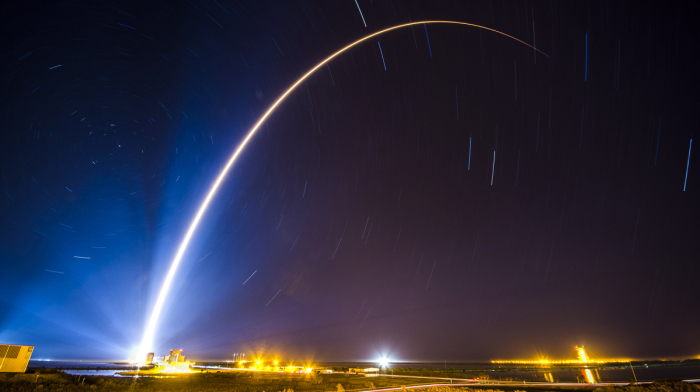
SpaceX is stepping up its ambitions to build a mobile network, after agreeing to acquire around $8 billion worth of U.S. wireless spectrum. The company aims to link its Starlink satellites with ground-based infrastructure, allowing phones to connect directly even in areas without conventional mobile coverage. However, analysts estimate that building a network capable of rivalling AT&T, Verizon and T-Mobile could cost more than $80 billion.Technical challenges in urban areas and the need for extensive ground infrastructure mean SpaceX could still be years away from posing a serious threat to established telecoms operators.

















What is your opinion on this topic?
Leave the first comment