China has begun exporting a rapid blackout recovery technology designed to restore electricity in just 0.1 seconds, offering power grid protection to 12 countries facing rising risks of outages and instability.
The system is aimed at preventing large scale blackouts and helping grids recover almost instantly after disruptions caused by extreme weather, equipment failure, or sudden power imbalances.
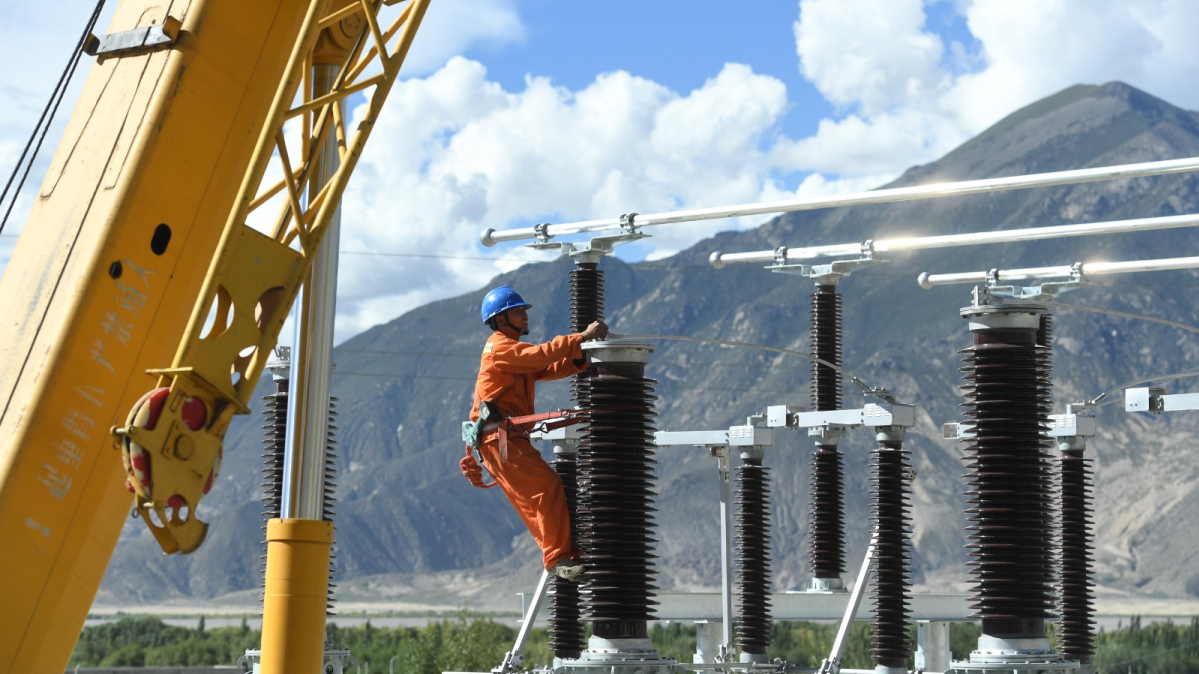
The technology works by detecting abnormalities such as sudden voltage drops or frequency changes in the grid, responding automatically before a full blackout can spread. Traditional grid recovery systems can take seconds or even minutes to react, during which outages can cascade across regions. By contrast, China says it’s system intervenes within a tenth of a second, effectively isolating the problem and keeping electricity flowing to most users.
Energy experts say this speed is critical as modern power grids become more complex. The growing use of renewable energy, such as wind and solar, makes electricity supply less predictable, while rising demand from data centres, electric vehicles, and urban expansion places additional strain on infrastructure. In many countries, existing grid systems are not designed to handle rapid fluctuations.
The technology has already been deployed or tested in 12 countries across Asia, Africa, the Middle East, and parts of Eastern Europe, according to Chinese energy authorities but the exact names of the nation’s haven’t been disclosed yet. These countries face frequent power disruptions due to aging infrastructure, climate-related disasters, or fast-growing electricity demand. In some cases, the system has been integrated into national grids; in others, it is being used to protect key facilities such as industrial zones, hospitals, and transportation networks.
Chinese developers say the system combines high-speed sensors, artificial intelligence algorithms, and automated control equipment. Once a disturbance is detected, the system can instantly rebalance power flows, shut down affected sections, or switch to backup sources without human intervention. This reduces both the scale of outages and the risk of damage to grid equipment.
Beyond technical benefits, the export of the blackout recovery system reflects China’s growing role in global energy infrastructure.
Over the past decade, Chinese companies have become major builders of power plants, transmission lines, and grid control systems overseas. The new technology is being promoted as part of broader cooperation on energy security and grid modernisation.
For recipient countries, the appeal lies in both performance and cost. Officials involved in the projects say the Chinese system is more affordable than comparable solutions from Western suppliers, while offering faster response times. Training and technical support are also included, allowing local engineers to operate and maintain the system independently.
As climate change increases the frequency of heatwaves, storms, and floods, all of which can destabilise power grids, demand for ultra-fast recovery technology is expected to grow. By exporting its 0.1second blackout recovery system, China says it's positioning itself as a key provider of next-generation grid protection at a time when energy reliability has become a global priority.




















What is your opinion on this topic?
Leave the first comment