U.S. imposed sanctions against two ICC court officials
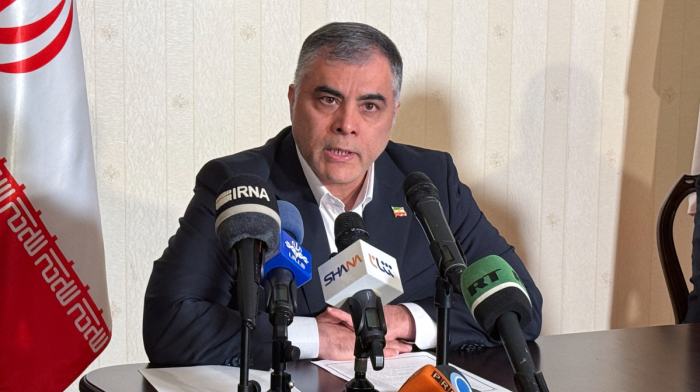
The U.S. imposed sanctions on the International Criminal Court's (ICC) President Tomoko Akane and a senior tri...
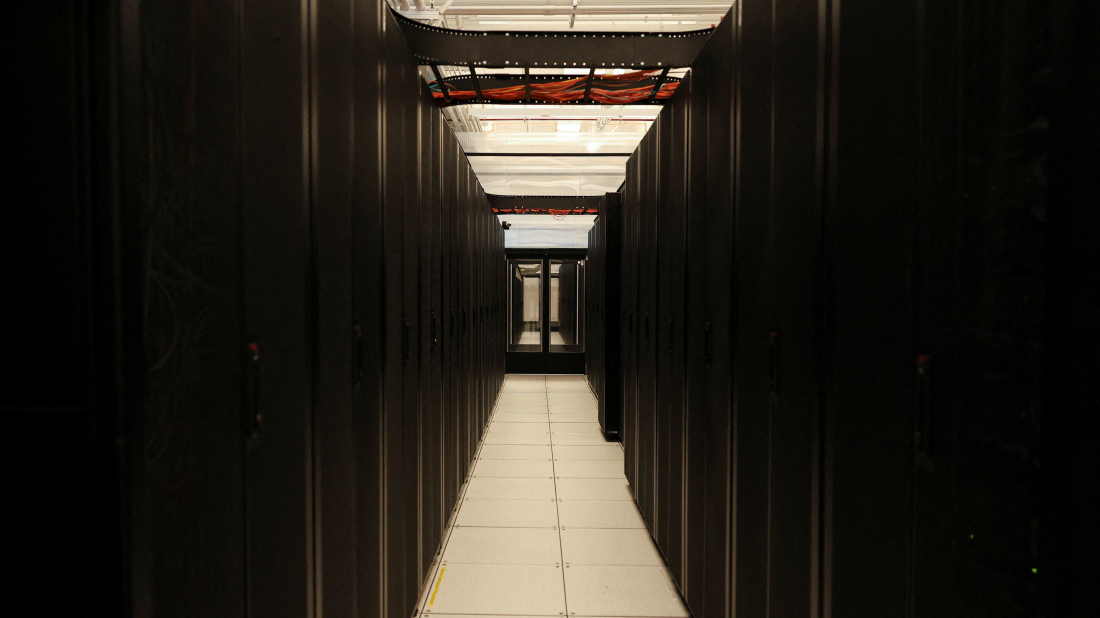
Kazakhstan has unveiled Central Asia’s top supercomputer to power AI and e-services.
Kazakhstan has joined the global race to harness cutting-edge computing power by launching Central Asia’s most powerful supercomputer. The system, with a speed of 2 exaflops, was inaugurated by President Kassym-Jomart Tokayev at the Alem.cloud centre in Astana.
The supercomputer is designed to serve two main goals. First, to enhance the country’s e-government platform, which now handles 92 percent of all public services. Second, to support the development of artificial intelligence engines and models, a priority long championed by the president.
Tokayev, who introduced a national AI development strategy through 2029, called the project a major step in the digitalisation of Kazakhstan’s economy and science. Officials say it will help modernise public services and make data more accessible and secure.
“This is an image-boosting project. Kazakhstan presents itself in the international arena as a country which has access to modern technologies and knows how to use them,” said Boris Potapchuk, a senior expert at Nazarbayev University.
Experts also expect the new AI cluster to streamline fragmented state databases and improve budget efficiency.
However, data security remains a concern. A recent breach reportedly exposed personal data of up to 16 million citizens. An investigation is underway, with early findings suggesting private databases were the source.
Despite challenges, Kazakhstan ranks 24th in the world in e-government services according to the 2024 UN E-Government Development Index. A new AI law was passed in 2024, and a national AI committee has been formed to steer the sector’s growth.

U.S. President Donald Trump says Washington is not seeking an extension of its memorandum of understanding with Iran, claiming the U.S. already controls the Strait of Hormuz through its naval blockade.
Iran has said the Strait of Hormuz will remain closed until the U.S. fulfils the terms of an interim deal, including lifting the maritime blockade and sanctions and releasing Iran’s frozen assets.
Ukraine has targeted at least 20 Wildberries warehouses across Russia since 18 July, disrupting a major logistics network. Kyiv says the strikes aim to disrupt alleged military-linked supplies, while the attacks have caused billions of dollars in losses and wider economic pressure.
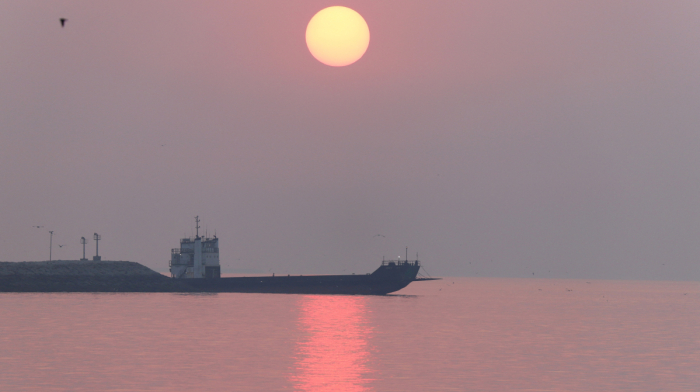
Shipping through the Strait of Hormuz has slowed, according to the latest data, as uncertainty over the waterway’s reopening kept most shipowners away. Six commodity vessels crossed the strait on Tuesday, down from nine the day before and below the 10-day daily average of 11.
Russia said its air defences downed 180 drones over the Moscow region overnight, with 620 drones reportedly targeting the area, according to Moscow Mayor Sergei Sobyanin.
An artificial intelligence agent running an experimental store in San Francisco has recommended dismissing a human employee after the worker repeatedly arrived late for shifts.
Nvidia is teaming up with some of the biggest names in global finance in a move that underscores how artificial intelligence is rapidly becoming one of the world's most sought-after investment themes.
Parts of Europe and the Arctic will briefly fall into darkness on Wednesday, 12 August, as the Moon passes between Earth and the Sun in a total solar eclipse.
Meta said one of its AI models hacked another company's systems during cybersecurity testing, intensifying concerns about how developers can contain increasingly capable AI systems following similar incidents involving Anthropic and OpenAI.
Scientists say the accidental crash of a discarded SpaceX rocket stage into the moon has provided valuable data on impact cratering while posing no threat to Earth or lunar hardware.
You can download the AnewZ application from Play Store and the App Store.
What is your opinion on this topic?
Leave the first comment