Türkiye vows continued support for Syria after Israeli airbase strike
Türkiye said on Thursday it would continue helping Syria strengthen its military, despite rising tensions with Israel over Ankara’s role...
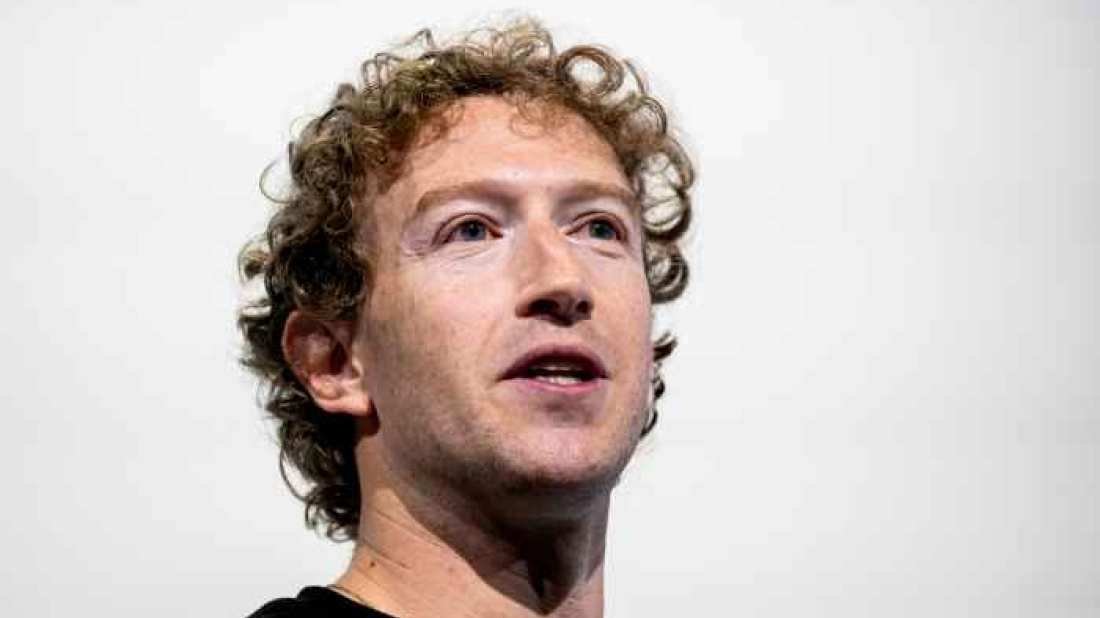
Meta CEO Mark Zuckerberg announced plans to invest hundreds of billions of dollars into building next-generation AI data centres, signalling an aggressive long-term bet on superintelligence and reaffirming Meta’s leadership ambitions in the global AI race.
Meta Platforms will pour hundreds of billions of dollars into constructing several multi-gigawatt data centres to power artificial superintelligence, CEO Mark Zuckerberg said on Monday, as the company intensifies its push to develop advanced AI systems capable of surpassing human performance in key tasks.
The first of these facilities, named Prometheus, is set to go online in 2026, while another, Hyperion, is designed to scale up to 5 gigawatts — a capacity that Zuckerberg says rivals the physical footprint of parts of Manhattan. "We're building multiple more titan clusters as well," he posted on Threads, calling the project a turning point in Meta’s AI journey.
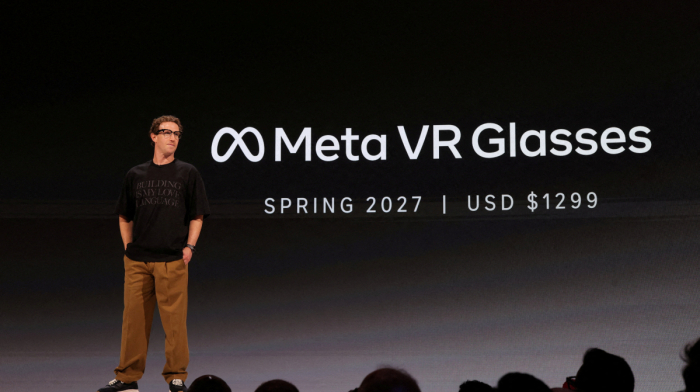
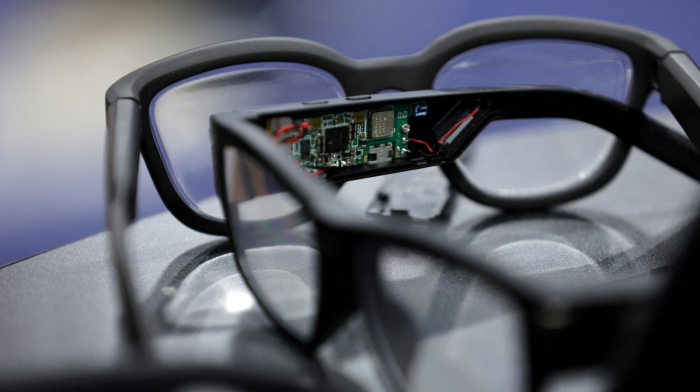
Meta, which earned nearly $165 billion in revenue last year, is leveraging its robust advertising business to fund the vast infrastructure. The investment, Zuckerberg argued, is justified by strong returns in AI-driven ad tools and emerging platforms such as Meta AI, video generation technologies, and smart glasses.
Despite investor scepticism over the scale of spending, Meta shares rose by 1% following the announcement and have gained more than 20% this year. Analyst Gil Luria of D.A. Davidson noted the short-term benefits to Meta’s ad business but described the superintelligence push as a longer-term play aimed at securing dominance in the next generation of AI models.
Zuckerberg’s reorganisation of the company’s AI efforts under Superintelligence Labs last month follows the uneven rollout of its open-source Llama 4 model and key personnel exits. The new unit will be co-led by Alexandr Wang (ex-Scale AI) and Nat Friedman (former GitHub CEO), after Meta invested $14.3 billion into Scale AI.
According to a New York Times report, top engineers are even weighing a shift from Meta’s open-source Behemoth model to a closed alternative, as competition heats up across the AI landscape.

Shipping traffic through the Strait of Hormuz remains limited on Thursday, with no increase in vessel crossings as U.S.-Iran talks to resolve the conflict remained stalled. Nine commodity vessels transited the key waterway on Wednesday, unchanged from the previous day, according to Kpler data.
Shipping through the Strait of Hormuz has slowed, according to the latest data, as uncertainty over the waterway’s reopening kept most shipowners away. Six commodity vessels crossed the strait on Tuesday, down from nine the day before and below the 10-day daily average of 11.
Russia is open to listening to new proposals on how to reach a settlement on the Ukraine conflict, a senior Russian diplomat said, but any proposals should reflect the "realities on the ground".
Start your day informed with AnewZ Morning Brief. Here are the top news stories for the 20th of August, covering the latest developments.
Five years after Evergrande's debt crisis rattled global markets, founder Hui Ka Yan has been sentenced to life in prison, marking a dramatic new chapter in the downfall of China's former property giant.
An artificial intelligence agent running an experimental store in San Francisco has recommended dismissing a human employee after the worker repeatedly arrived late for shifts.
Nvidia is teaming up with some of the biggest names in global finance in a move that underscores how artificial intelligence is rapidly becoming one of the world's most sought-after investment themes.
Parts of Europe and the Arctic will briefly fall into darkness on Wednesday, 12 August, as the Moon passes between Earth and the Sun in a total solar eclipse.
Meta said one of its AI models hacked another company's systems during cybersecurity testing, intensifying concerns about how developers can contain increasingly capable AI systems following similar incidents involving Anthropic and OpenAI.
Scientists say the accidental crash of a discarded SpaceX rocket stage into the moon has provided valuable data on impact cratering while posing no threat to Earth or lunar hardware.
You can download the AnewZ application from Play Store and the App Store.
What is your opinion on this topic?
Leave the first comment