Lithuania has formally notified the United Nations of its decision to withdraw from the international treaty banning anti-personnel landmines, citing security concerns over Russia.
Lithuania announced Friday it has notified the United Nations of its withdrawal from the Ottawa Convention, the global treaty banning anti-personnel landmines.
The decision was shared by the country’s foreign minister on X. Lithuania will no longer be bound by the treaty six months after the notification date.
Parliaments in Latvia, Estonia, Finland and Poland have also approved similar withdrawals. All five countries are members of both NATO and the European Union and share borders with Russia.
The governments cite heightened military risks from Moscow as the main reason for leaving the agreement.
The Ottawa Convention, adopted in 1997, prohibits the use, production and stockpiling of anti-personnel landmines.
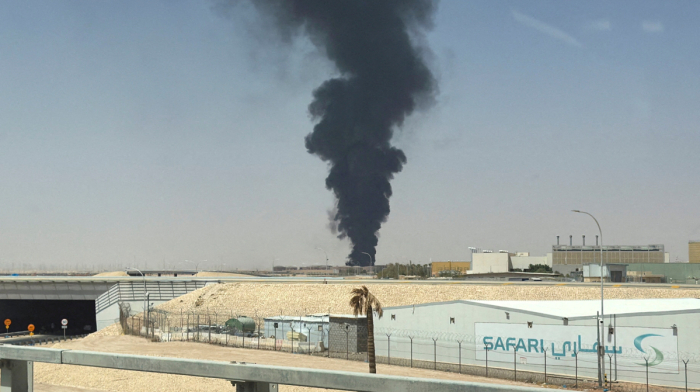
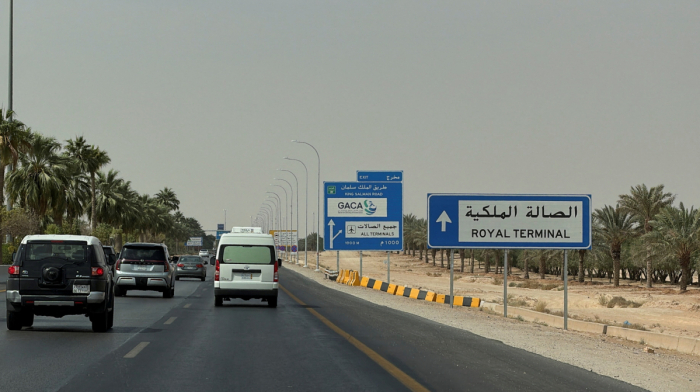
One person was killed and nearly a dozen hurt in a fresh attack on Riyadh's international airport on Sunday, Saudi authorities reported, a day after a strike claimed by Yemen's Houthis killed 13 people and wounded more than 300.
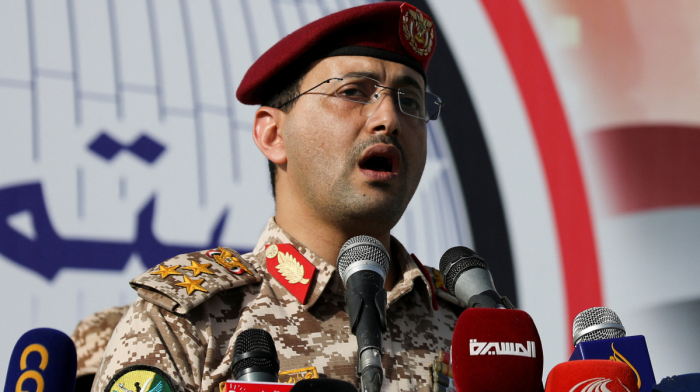
Yemen's Houthis renewed warning to airlines, airport workers, and travellers against using Saudi airports, saying the warning should be taken seriously and that the kingdom “bore responsibility for failed interceptions”, a day after an attack on Riyadh's international airport that killed 12 people.
The Saudi-led coalition in Yemen said late Monday that it intercepted and destroyed two ballistic missiles launched by the Houthi group toward Khamis Mushait in southwestern Saudi Arabia.
The Kremlin on Monday rejected a 60-day ceasefire idea proposed by Ukrainian President Volodymyr Zelenskyy to allow his country to hold presidential elections, saying it wanted an overall peace deal instead.
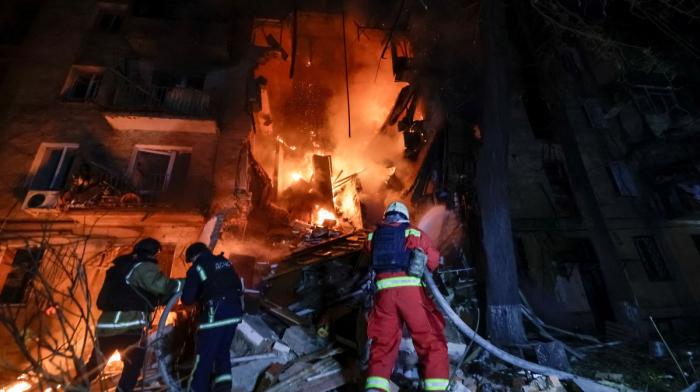
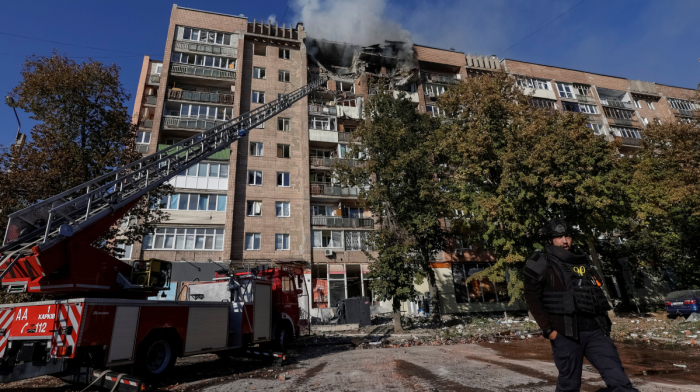
Ukrainian President Volodymyr Zelenskyy says Russia hit at least six energy targets in deadly strikes across Ukraine, showing Moscow is unwilling to accept the energy ceasefire announced by U.S. President Donald Trump.
Climate activist Greta Thunberg joined high school students protesting outside a school in the Paris suburb of Saint-Denis on Tuesday, as a wave of student demonstrations continues across France.
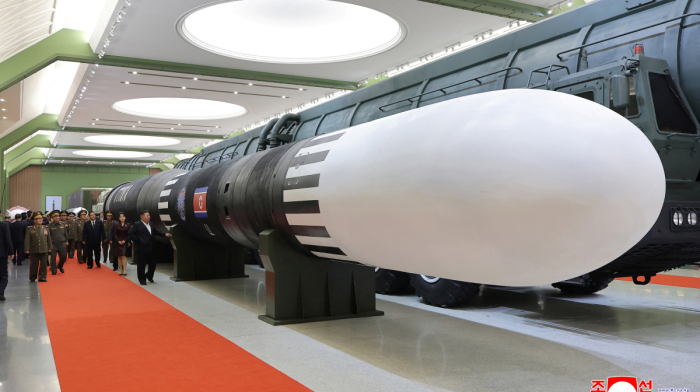
North Korean leader Kim Jong Un has visited a newly opened defence museum displaying weapons developed under his leadership, including an intercontinental ballistic missile capable of reaching the United States.
Southeast Asian foreign ministers are set to discuss measures to tackle transboundary haze during preparatory meetings ahead of the ASEAN summit in November, as forest and land fires in Indonesia continue to affect air quality across the region, the Philippines said on Tuesday.
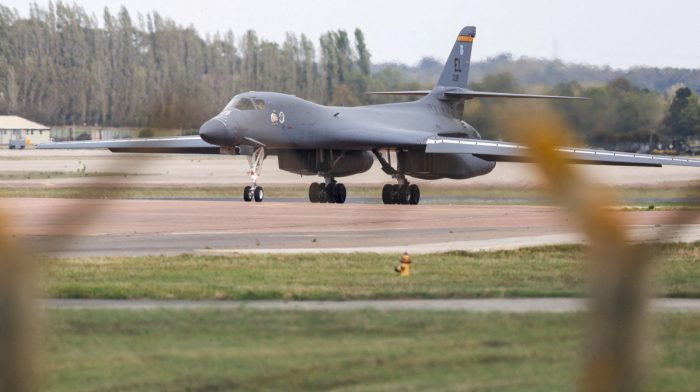
Britain's Prime Minister Andy Burnham has said the United Kingdom believes Iran was likely behind an alleged plot connected to RAF Fairford, a military airbase in Gloucestershire in England that has played a role in U.S. operations against Iran, escalating tensions between London and Tehran.
Download the AnewZ app
You can download the AnewZ application from Play Store and the App Store.















What is your opinion on this topic?
Leave the first comment