South Korean lawmakers on Wednesday called on President Yoon Suk Yeol to resign or face impeachment after he declared martial law only to reverse the move hours later, triggering a political crisis in Asia's fourth-largest economy.
The surprise declaration late on Tuesday ignited a standoff with parliament which rejected his attempt to ban political activity and censor the media, as armed troops forced their way into the National Assembly building in Seoul.
The main opposition Democratic Party called for Yoon, who has been in office since 2022, to resign or face impeachment.
“It was clearly revealed to the entire nation that President Yoon could no longer run the country normally. He should step down," senior DP member of parliament Park Chan-dae said in a statement.
Six South Korean opposition parties said they would submit Yoon's impeachment bill on Wednesday, the Democratic Party said in a message to reporters, with voting to take place on Friday or Saturday.
The leader of Yoon's ruling People Power Party called for Defence Minister Kim Yong-hyun to be fired and the entire cabinet to resign.
Yoon told the nation in a TV address late on Tuesday that martial law was needed to defend the country from nuclear-armed North Korea and pro-North anti-state forces, and protect its free constitutional order, although he cited no specific threats.
Chaotic scenes ensued as troops tried to seize control of the parliament building, parliamentary aides sprayed fire extinguishers to push them back, and protesters scuffled with police outside.
The military said activities by parliament and political parties would be banned, and that media and publishers would be under the control of the martial law command.
But lawmakers defied the security cordon and within hours of the declaration, South Korea's parliament, with 190 of its 300 members present, unanimously passed a motion requiring martial law be lifted, including all 18 members present from Yoon's party. The president then rescinded the declaration.
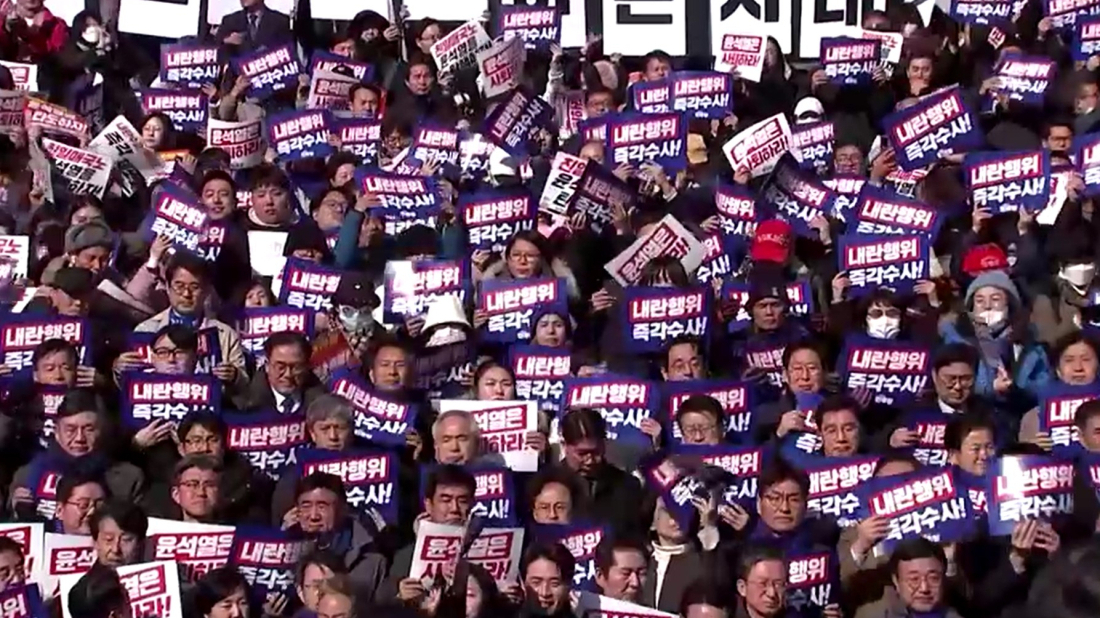
Protesters outside the National Assembly shouted and clapped. “We won!” they chanted, and one demonstrator banged on a drum.
"There are opinions that it was too much to go to emergency martial law, and that we did not follow the procedures for emergency martial law, but it was done strictly within the constitutional framework," a South Korean presidential official said in a statement, in the first public comments since Yoon lifted martial law.
More protests are expected on Wednesday with South Korea's largest union coalition, the Korean Confederation of Trade Unions, planning to hold a rally in Seoul and vowing to strike until Yoon resigns.
The U.S. embassy urged U.S. citizens in South Korea to avoid areas where protests were taking place, while some major employers including Naver Corp 035420.KS and LG Electronics Inc 066570.KS advised employees to work from home.
Financial markets were volatile with South Korean stocks .KS11 falling around 2% and the won KRW= steadying after plunging to a two-year low. Dealers reported suspected intervention by South Korean authorities to stem the won's slide.
Finance Minister Choi Sang-mok and Bank of Korea Governor Rhee Chang-yong held emergency meetings overnight and the finance ministry promised to prop up markets if needed.
"We will inject unlimited liquidity into stocks, bonds, short-term money market as well as forex market for the time being until they are fully normalised," the government said in a statement.
DODGED A BULLET
A major South Korean convenience store chain, which declined to be identified, said sales of canned goods, instant noodles and bottled water had soared overnight.
"I'm deeply disturbed by this kind of situation, and I'm very concerned about the future of the country," 39-year-old Seoul resident Kim Byeong-In told Reuters.
The National Assembly can impeach the president if more than two-thirds of lawmakers vote for it. A trial is then held by the constitutional court, which can confirm it with a vote by six of the nine justices.
Yoon’s party controls 108 seats in the 300-member legislature.
If Yoon resigned or was removed from office, Prime Minister Han Duck-soo would fill in as leader until a new election was held within 60 days.
"South Korea as a nation dodged a bullet, but President Yoon may have shot himself in the foot," Danny Russel, vice president of the Asia Society Policy Institute think tank in the United States, said of the first martial law declaration in South Korea since 1980.
U.S. Secretary of State Antony Blinken said he welcomed Yoon's decision to rescind the martial law declaration.
"We continue to expect political disagreements to be resolved peacefully and in accordance with the rule of law," Blinken said in a statement.
South Korea hosts around 28,500 American troops as a legacy of the 1950-1953 Korean War.
Planned defence talks and a joint military exercise between the two allies were postponed amid the broader diplomatic fallout from the overnight turmoil.
Sweden's prime minister postponed a visit to South Korea, a spokesperson said, and Japan's lawmaker group on Korean affairs cancelled a trip to Seoul slated for mid-December.
Yoon, a career prosecutor, squeezed out a victory in the tightest presidential election in South Korean history in 2022, riding a wave of discontent over economic policy, scandals and gender wars.
But he has been unpopular, with his support ratings hovering at around 20% for months.
His People Power Party suffered a landslide defeat at a parliamentary election in April this year, ceding control of the unicameral assembly to opposition parties that captured nearly two-thirds of the seats.
There have been more than a dozen instances of martial law being declared since South Korea was established as a republic in 1948.
In 1980, a group of military officers forced then-President Choi Kyu-hah to proclaim martial law to crush calls for the restoration of democratic government.
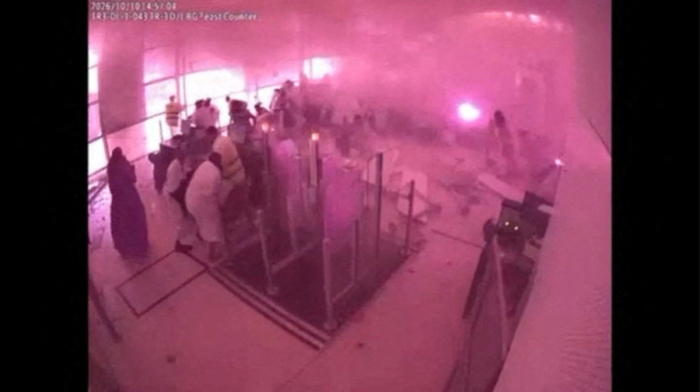
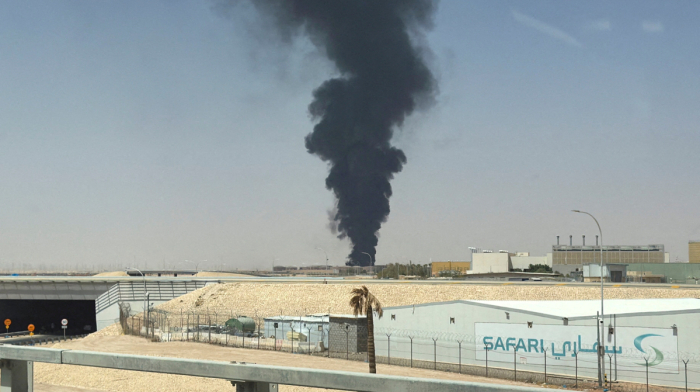
The explosion at King Khalid International Airport in Riyadh on Saturday afternoon killed at least 12 people and injured a further 309, according to Saudi Arabia’s Civil Aviation Authority. The airport remains closed until further notice.
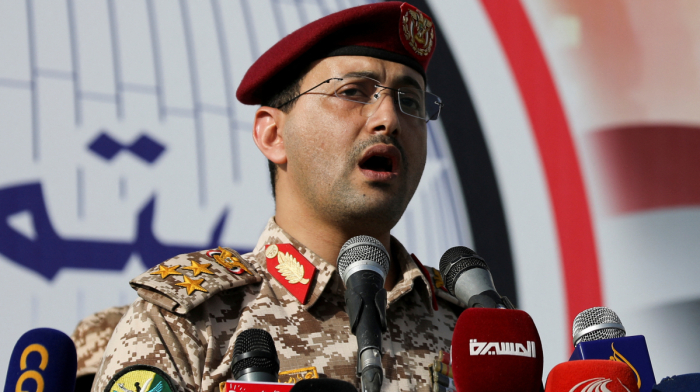
Yemen's Houthis renewed warning to airlines, airport workers, and travellers against using Saudi airports, saying the warning should be taken seriously and that the kingdom “bore responsibility for failed interceptions”, a day after an attack on Riyadh's international airport that killed 12 people.
One person was killed and nearly a dozen hurt in a new attack Riyadh's international airport on Sunday, Saudi authorities reported, a day after a strike claimed by Yemen's Houthis that killed 13 people and wounded more than 300.
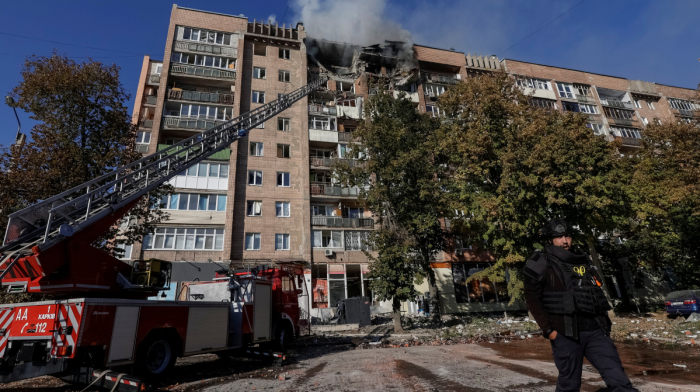
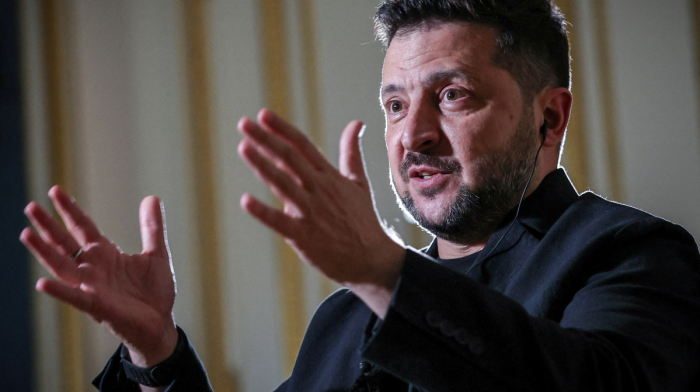
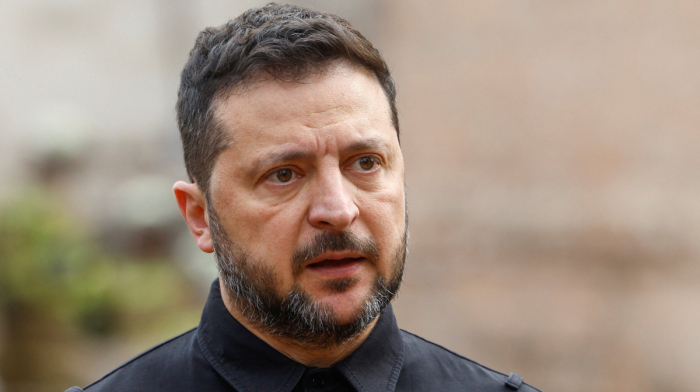
Ukraine is ready to stop attacks on Russian oil refineries if Moscow also halts strikes on Ukrainian energy infrastructure, President Volodymyr Zelenskyy said on Sunday.
Russia has violated an energy ceasefire announced by U.S. President Donald Trump, Ukrainian leader Volodymyr Zelenskyy said on Monday, urging Washington to step in to ensure that Moscow abided by the terms of the putative agreement.
Ukrainian President Volodymyr Zelenskyy said on Monday that Ukraine is ready to respect the energy ceasefire announced by U.S. President Donald Trump, but only if Russia does the same, saying Moscow has already violated the agreement.
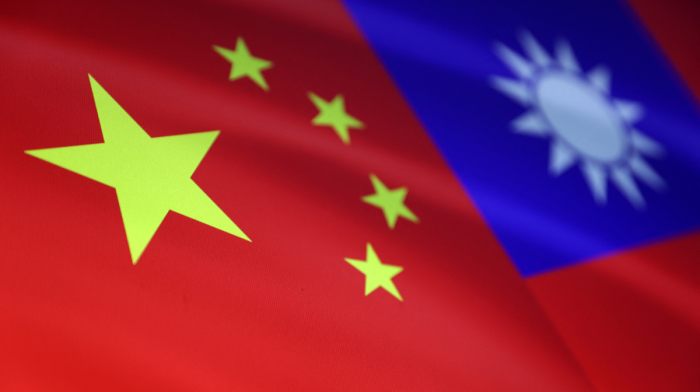
China has announced sanctions against Belize’s foreign minister and Paraguay’s communications minister over their countries’ diplomatic ties with Taiwan. The move comes as Beijing continues to pressure the few remaining nations that maintain formal diplomatic relations with Taipei.
Download the AnewZ app
You can download the AnewZ application from Play Store and the App Store.











What is your opinion on this topic?
Leave the first comment