Report alleges rise in Indian arms shipments to Armenia despite peace rhetoric
The Azerbaijani publication Minval Politika alleges that Armenia is quietly strengthening its military capabilities in a manner similar to the period...
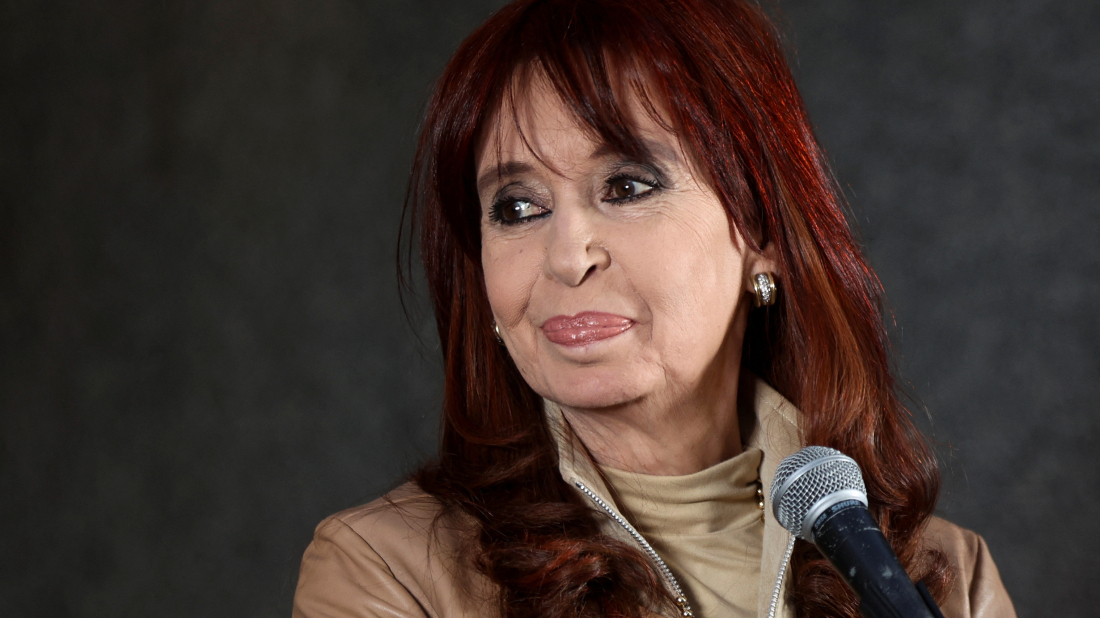
Argentina’s Supreme Court has confirmed a six-year prison sentence against former President Cristina Fernández de Kirchner for corruption, also upholding a lifetime ban from holding public office.
The unanimous decision from the country’s highest court rejected Kirchner’s appeal and finalized the 2022 ruling that found her guilty of embezzlement.
A polarizing opposition figure and leftist president from 2007 to 2015, Kirchner was convicted by a trial court in 2022 for a fraud scheme that steered public road work projects in the Patagonia to a close ally while she was president.
Prosecutors accused her of directing hundreds of millions of dollars to construction magnate Lázaro Báez. During her government and that of her late husband, Néstor Kirchner, companies tied to Báez were awarded dozens of government contracts but nearly half of the projects were abandoned, prosecutors said.
Báez and other officials were sentenced to prison terms.
Kirchner, who led the country from 2007 to 2015 and later served as vice president until 2023, went to the Peronist party headquarters in Buenos Aires on Tuesday, hours before the ruling was made public.
Though sentenced to prison, Kirchner, now 72 years-old, may serve her time under house arrest in either Buenos Aires or Santa Cruz.
Her legal team has repeatedly dismissed the charges as politically motivated and accused parts of the judiciary of targeting her.
The ruling reshapes Argentina’s political landscape. Kirchner remains a major opposition figure to President Javier Milei’s government, and this decision bars her from running for office again.
Milei reacted to the ruling with a brief post on X: “Justice. The end.”
Kirchner is the first former Argentine president to be convicted. Former President Carlos Menem was sentenced in another case but died before serving prison time.

Start your day informed with AnewZ Morning Brief. Here are the top news stories for the 23rd of July, covering the latest developments you need to know.
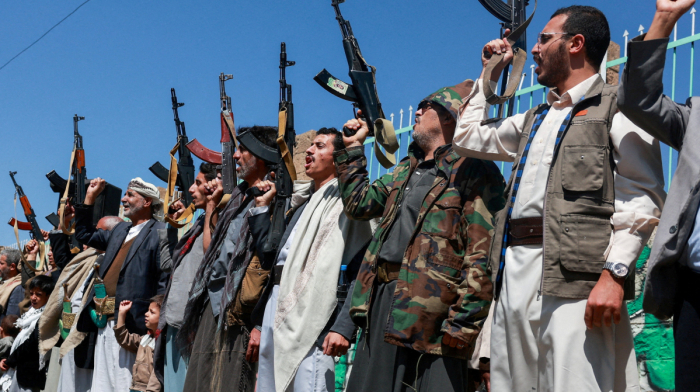
U.S. strikes on Iran entered a 12th consecutive night, while Yemen's Houthis said they attacked two Saudi oil tankers in the Red Sea, urging President Donald Trump to warn Tehran it would be held responsible for any future Houthi attacks.
India and Myanmar are expanding cooperation on rare earths as New Delhi seeks to reduce its reliance on China for critical minerals. The move follows a series of Indian visits to Myanmar and comes amid growing global competition for resources used in clean energy and high-tech industries.
Aleksandar Vučić's visit to Kyiv on 15 July appeared to send a geopolitical signal. But the significance of the trip lies less in the journey itself than in the limits Serbia carefully observed.
The U.S. military said it completed a fresh wave of strikes on Iran late on Thursday, marking the 13th consecutive night of American attacks. The latest operation lasted more than two hours, according to U.S. Central Command.
The European Union has adopted its 21st sanctions package against Russia, imposing its most extensive economic penalties in four years. The measures expand restrictions across the financial, military, cyber and energy sectors while introducing new enforcement tools and broader export controls.
Vietnam is planning to require social media platforms to stop users under 16 from posting content, commenting or reacting to posts under a draft decree designed to strengthen online protections for children.
Women and girls in Sudan's Al-Obeid face a dire choice between the threat of drone attacks during the day and sexual violence when they go out to fetch water in the besieged city, UN Women reports.
Iranian President Masoud Pezeshkian and Iraqi Prime Minister Ali al-Zaidi signed a series of agreements in Tehran on Thursday aimed at strengthening bilateral trade, transport links and security cooperation, highlighting the growing strategic partnership between the neighbouring countries.
Poland has proposed a trilateral partnership with the U.S. and Ukraine to jointly manufacture Patriot missile interceptors, Deputy Defence Minister Magdalena Sobkowiak-Czarnecka said after meetings in Washington. The plan aims to ensure production takes place in a secure location.
You can download the AnewZ application from Play Store and the App Store.
What is your opinion on this topic?
Leave the first comment