U.S.-Israeli strikes on Iran: What we know so far
The United States and Israel have carried out large-scale strikes on Iranian leadership and military targets, with Iranian state media confirming t...
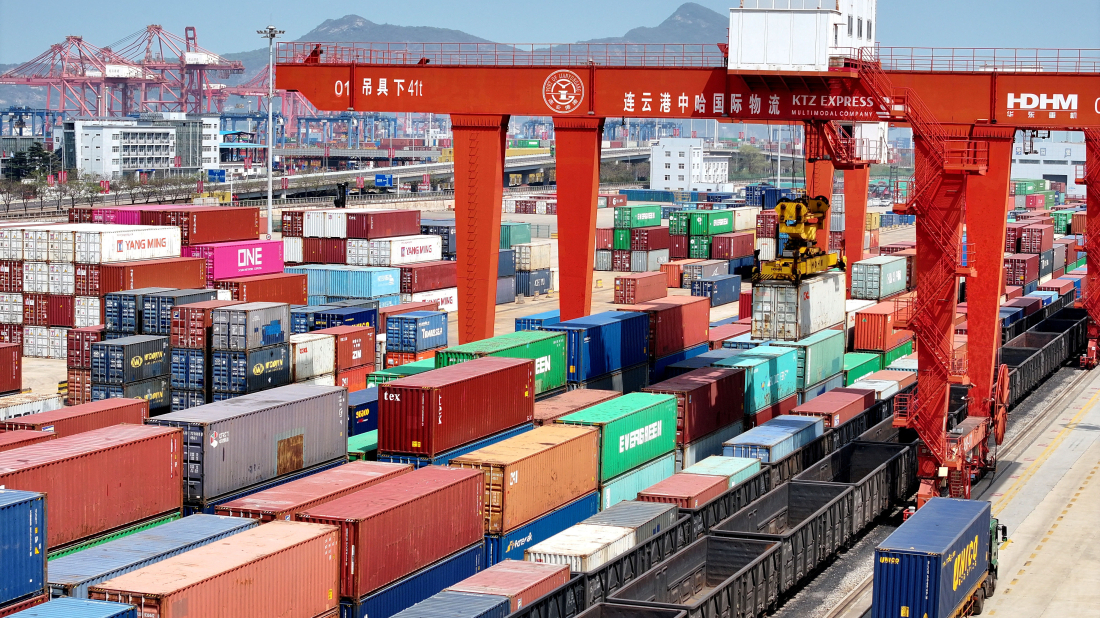
Alashankou Port in Xinjiang continues to play a vital role in global trade, with freight train traffic to Europe and Central Asia surpassing 3,000 trips this year alone.
The Alashankou Port in China’s Xinjiang Uygur Autonomous Region has handled over 3,000 China-Europe (Central Asia) freight train trips in 2024, according to railway authorities. This milestone is seen as a strong signal of the region’s growing importance in maintaining global industrial and supply chain stability.
Serving as a key transit point between China, Central Asia, and Europe, Alashankou currently supports 123 freight train routes that link China to 21 countries, including Germany and Poland. These trains transport more than 200 types of goods, from new energy vehicles and electronics to mechanical parts and daily necessities.
“To keep trains running efficiently, we’ve maintained a 24/7 green channel,” said Yang Peng, a staff member at the Alashankou railway station. “On average, the station processes over 21 freight train trips daily, with a record high of 30 in a single day.”
Xinjiang’s railway infrastructure has seen continuous upgrades in recent years, boosting port logistics capacity. Together, the Alashankou and Horgos ports have already handled 16,400 China-Europe freight train trips in 2024, an increase of 14 percent compared to the same period last year. The region now manages over half of China’s total China-Europe freight traffic.

Follow the latest developments and global reaction after the U.S. and Israel launched “major combat operations” in Iran, prompting retaliation from Tehran.
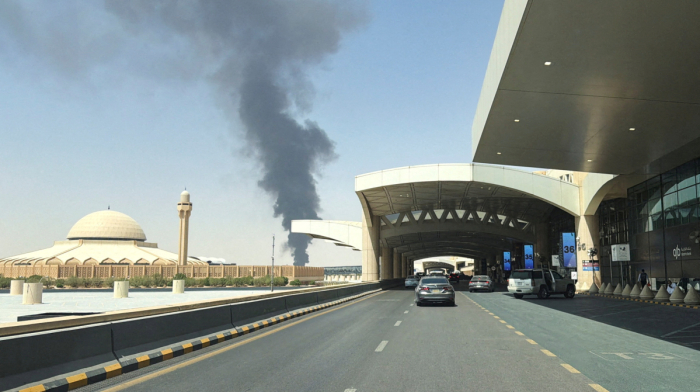
Governments across the region responded swiftly to Israel’s strikes on Iran, closing airspace, issuing travel advisories and activating contingency plans amid fears of escalation.
Ayatollah Alireza Arafi has moved into a pivotal constitutional role following the death of Supreme Leader Ayatollah Ali Khamenei, becoming the clerical member of Iran’s temporary leadership council under Article 111 of the Constitution of the Islamic Republic of Iran.
A senior Iranian official has warned Israel to “prepare for what is coming”, insisting that Tehran’s response to the latest escalation in the Middle East will be made openly and without limits.
Ayatollah Ali Khamenei, Iran’s supreme leader for 36 years and the country’s highest political and religious authority, has died aged 86 following joint Israeli and U.S. strikes on his compound in Tehran.
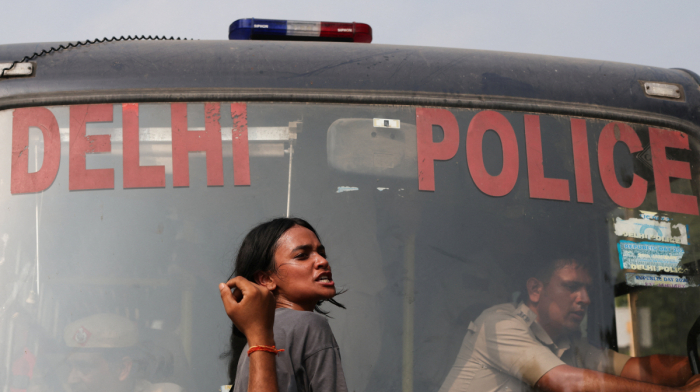
Protests broke out in Pakistan and Iraq on Sunday after Iranian state media confirmed that Supreme Leader Ayatollah Ali Khamenei had been killed in joint U.S.–Israeli strikes. At least nine people were reported dead in clashes near the U.S. consulate in Karachi.
Afghanistan said it had fired at Pakistani aircraft over Kabul after explosions and gunfire rocked the capital early on Sunday, marking a sharp escalation in fighting between the two neighbours.
A senior Iranian official has warned Israel to “prepare for what is coming”, insisting that Tehran’s response to the latest escalation in the Middle East will be made openly and without limits.
Cuba has released extensive details of a deadly midweek shootout at sea, showing rifles, pistols and nearly 13,000 rounds of ammunition that it says were carried by a group of exiles who attempted to enter the island by speedboat.
Afghanistan’s Taliban rulers said on Friday (27 February) they were ready to negotiate after Pakistan bombed their forces in several Afghan cities, including Kabul and Kandahar, and Islamabad declared the neighbours were now in "open war".
You can download the AnewZ application from Play Store and the App Store.
What is your opinion on this topic?
Leave the first comment