How Armenia’s parliamentary election system works ahead of the 2026 vote
Armenia will hold parliamentary elections on 7 June 2026, a vote that will shape the country’s political direction for the next five years. Understa...
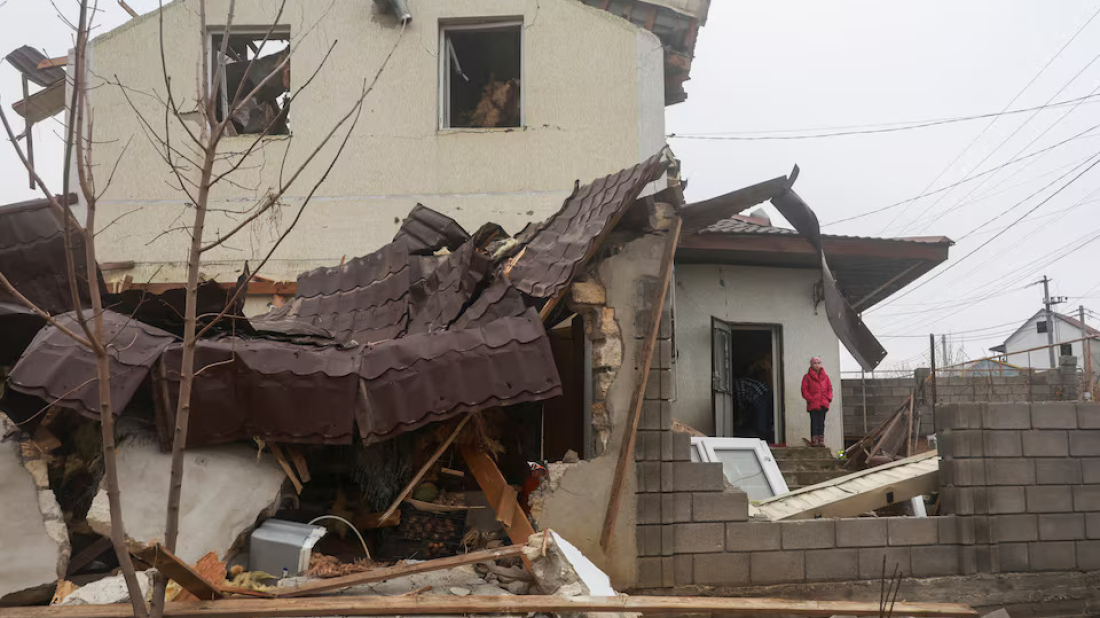
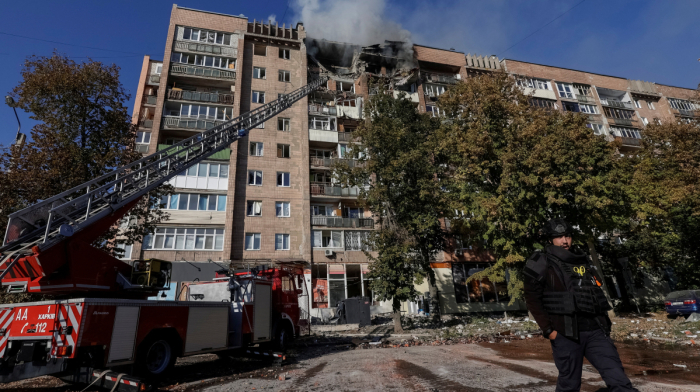
President Vladimir Putin stated on Thursday that Russia's large-scale overnight missile strike on Ukrainian infrastructure was a retaliatory response to Ukrainian attacks on Russian regions using longer-range Western missiles.
Ukrainian officials reported that Russia had launched its second major attack on Ukraine's energy infrastructure this month, cutting power to over one million people across the western, southern, and central regions.
Speaking in Astana, Kazakhstan, during a meeting with members of a security alliance of former Soviet states, Putin revealed that Russia had conducted a comprehensive strike involving 90 missiles and 100 drones. "Seventeen targets were hit," he stated, adding that these included military facilities, defence industry sites, and their support systems.
He emphasised that these strikes were a direct response to Ukraine's use of American-supplied ATACMS missiles to target Russian territory. "As I have already said many times, there will always be a response from our side," Putin remarked.

Thousands of people have taken to the streets in Albania in recent days to protest against a luxury tourism project linked to Jared Kushner, the son-in-law of U.S. President Donald Trump, and his wife Ivanka Trump.
Armenia’s parliamentary election comes at a defining moment for the South Caucasus, a region reshaped by the Garabagh conflict and broader shifts in Russia-West relations. The outcome is increasingly seen as a signal of Armenia’s future foreign policy direction and the regional balance of power.
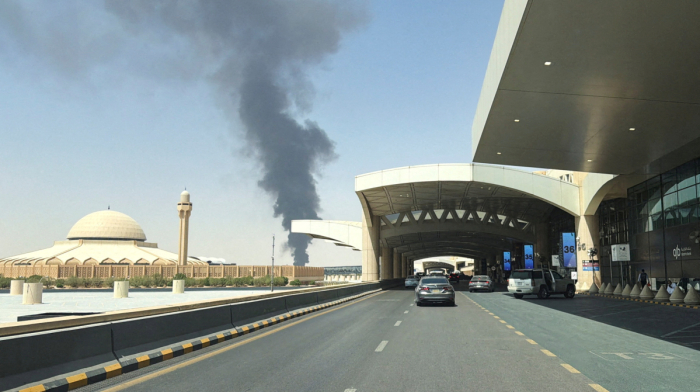
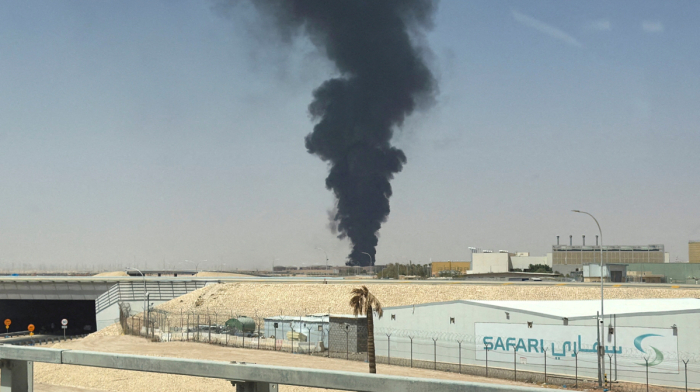
Iran’s Revolutionary Guards (IRGC) said in a statement that its Aerospace Force did not strike the Kuwait Airport passenger terminal on Wednesday, and that the destruction was instead caused by a failed U.S. Patriot missile.
Bolivia’s Defence Minister has resigned amid widening unrest over government austerity measures, which have led to protesters blocking roads into the country’s two largest cities.
Israel and Lebanon have agreed to implement a ceasefire after U.S.-backed talks in Washington. The deal requires Hezbollah to halt attacks and withdraw from southern Lebanon, while both sides will resume direct talks later this month aimed at reaching a broader agreement.
Start your day informed with the AnewZ Morning Brief. Here are the top stories for the 5 June, covering the latest developments you need to know.
The U.S. House of Representatives has approved legislation that would provide new aid to Ukraine and impose additional sanctions on Russia, marking the latest instance of Republican lawmakers breaking ranks with President Donald Trump and party leaders.
Bosnia’s international peace oversight body failed on Thursday to reach agreement on a successor to Germany’s Christian Schmidt, who unexpectedly stepped down last month, claiming he had come under pressure from the United States.
China has criticised planned maritime boundary discussions between Japan and the Philippines, arguing that the waters involved fall within an area where Beijing claims maritime rights and jurisdiction.
U.S. President Donald Trump will attend next month's NATO leaders' summit in Türkiye, ending weeks of uncertainty over whether he would take part in a gathering expected to focus on the future of the alliance.
You can download the AnewZ application from Play Store and the App Store.
What is your opinion on this topic?
Leave the first comment