Renee Nicole Good: Conflicting accounts threaten to overshadow fatal shooting of U.S. woman
Competing versions of what led to the fatal shooting of Renee Nicole Good by an Immigration Customs Enforcement agent are rife as President Trump and ...
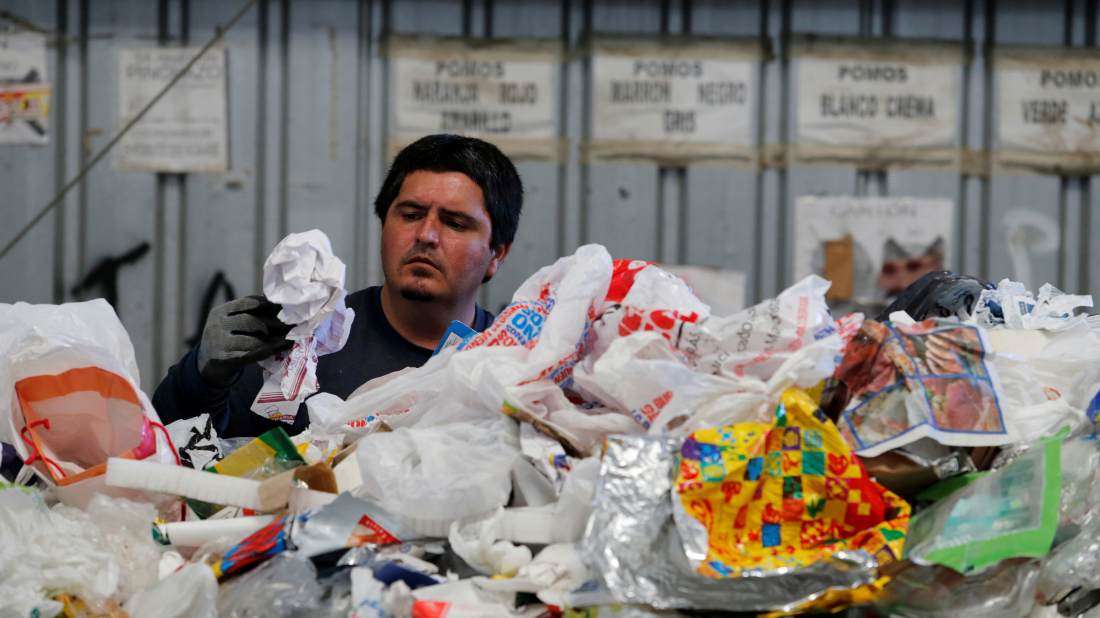
The world is using more materials than ever before—but recycling is falling behind. A new report from the Circle Economy think tank shows that only 6.9% of the 106 billion tonnes of materials used each year are recycled. That’s a drop from 9.1% in 2015.
The report says the main problem is overconsumption. Even if every recyclable item were recycled, the global recycling rate would only reach about 25%. That means recycling alone can’t fix the problem. The report says we must reduce how much we consume if we want to tackle the growing waste crisis.
While some companies are using more recycled materials, the use of new, raw materials is still growing faster. Between 2018 and 2021, recycled content in manufacturing rose by 200 million tonnes, but global demand for virgin materials continues to rise.
The total amount of raw materials extracted has tripled over the past 50 years and could increase by another 60% by 2060 if nothing is done. Per person, consumption has gone from 8.4 tonnes in 1970 to 12.2 tonnes in 2020. But the increase isn’t equal. People in wealthier countries consume six times more than those in poorer countries—24 tonnes per person compared to 4 tonnes. The EU and US alone use more than half of the world’s materials, even though they make up just 10% of the global population.
The report calls for international action, including global targets to cut material use and energy demand, and a new agency—similar to the International Energy Agency—that would help countries track and manage sustainable resource use.

Open-source intelligence (OSINT) sources reported a significant movement of U.S. military aircraft towards the Middle East in recent hours. Dozens of U.S. Air Force aerial refuelling tankers and heavy transport aircraft were observed heading eastwards, presumably to staging points in the region.
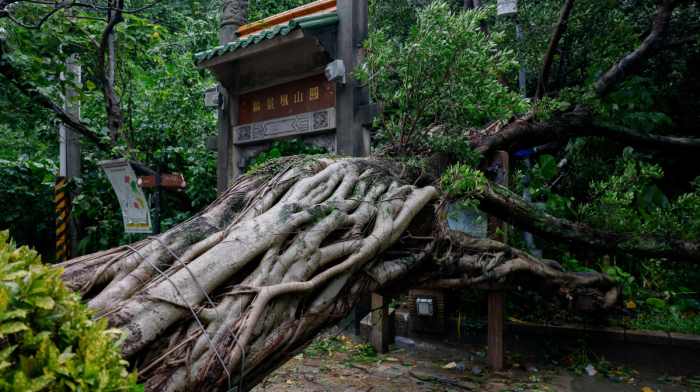
Snow and ice stalled travellers in northwest Europe on Wednesday, forcing around a thousand to spend the night in Amsterdam's Schiphol airport but delighting others who set out to explore a snow-blanketed Paris on sledges and skis.
Diplomatic tensions between Tokyo and Beijing escalated as Japan slams China's export ban on dual-use goods. Markets have wobbled as fears grow over a potential rare earth embargo affecting global supply chains.
Two people have been killed after a private helicopter crashed at a recreation centre in Russia’s Perm region, Russian authorities and local media have said.
Iran’s chief justice has warned protesters there will be “no leniency for those who help the enemy against the Islamic Republic”, as rights groups reported a rising death toll during what observers describe as the country’s biggest wave of unrest in three years.
Iran’s Commander-in-Chief of Army, Major General Amir Hatami has warned against hostile rhetoric from U.S. and Israeli officials. “Iran considers the intensification of the enemies' rhetoric against the Iranian nation as a threat and will not leave its continuation unanswered,” Hatami said.
Türkiye says it's prepared a self-sustaining international stabilisation force for Gaza and has already begun training, Defence Minister Yaşar Güler said, reiterating Ankara’s readiness to deploy troops to support humanitarian efforts and help end the fighting.
Turkish President Recep Tayyip Erdogan has dismissed reports that Nicolas Maduro, Venezuela’s toppled leader, was previously offered asylum in Türkiye.
Former NATO Deputy Secretary-General Rose Gottemoeller has warned that Europe could face a future without U.S. nuclear deterrence.
Start your day informed with AnewZ Morning Brief: here are the top news stories for the 8th of January, covering the latest developments you need to know.
You can download the AnewZ application from Play Store and the App Store.
What is your opinion on this topic?
Leave the first comment