Ukraine’s parliament has ratified a landmark minerals and economic partnership agreement with the United States, aiming to bolster bilateral cooperation and unlock investment potential, while navigating regional conflict dynamics and future reconstruction plans.
Ukraine’s parliament has approved a significant minerals and economic partnership agreement with the United States, aiming to enhance bilateral cooperation in critical sectors and lay the groundwork for long-term investment and recovery efforts.
On Thursday, 338 lawmakers voted in favor of ratifying the agreement, with no votes against. While some deputies expressed concern over limited details in the deal - particularly regarding the governance of a planned investment fund and its financial mechanisms - officials reassured that specifics would be outlined in upcoming supplements.
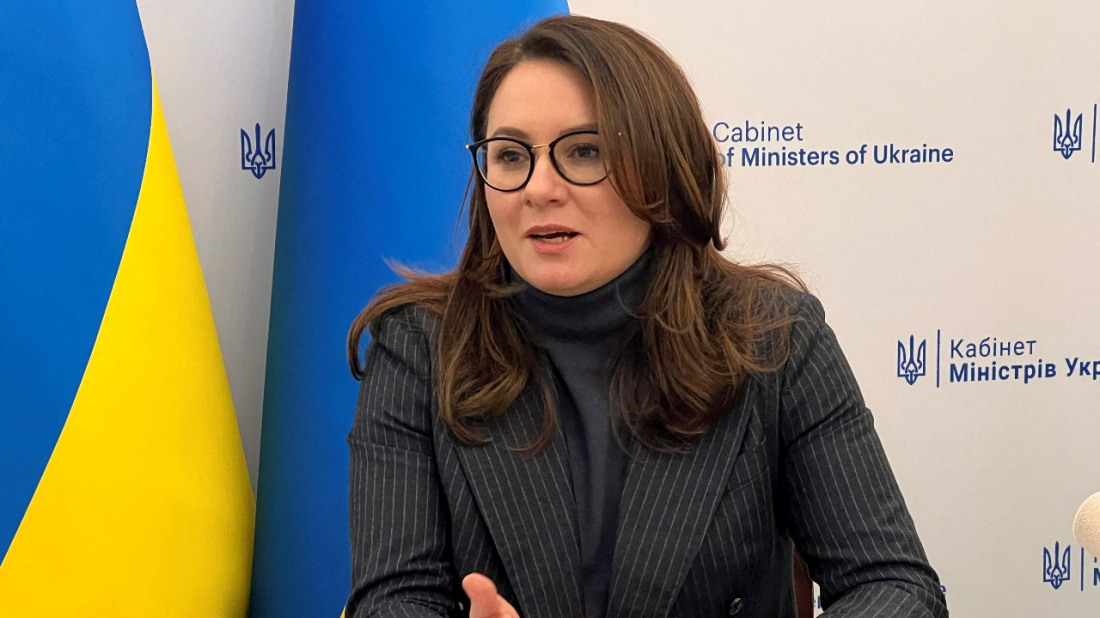
First Deputy Prime Minister Yulia Svyrydenko described the agreement as the foundation for a new model of engagement with a key strategic partner. “This document is not merely a legal construct - it is the foundation of a new model of interaction with a key strategic partner,” she wrote on social media.
The deal, signed in Washington last month, grants the U.S. preferential access to future Ukrainian minerals projects and includes the establishment of an investment fund to support Ukraine’s recovery over the next decade. Officials have said the fund will become operational in the coming weeks and its effectiveness will depend on continued U.S. involvement.
Some lawmakers voiced caution about transparency and long-term impacts, though government representatives stressed that Ukraine would maintain control over its strategic resources and reconstruction priorities.
The agreement also follows months of challenging negotiations between U.S. and Ukrainian officials. While not tied directly to military aid, Kyiv views the deal as an avenue to advance dialogue on defense support and broader economic integration, including Ukraine’s long-term goal of joining the European Union.
The ratification comes as discussions over potential ceasefire arrangements continue. Ukraine has signaled its openness to a temporary 30-day truce proposed by Washington, whereas Russia has offered a three-day ceasefire from May 8 to 10. These proposals are part of broader, ongoing efforts to ease tensions, although significant gaps remain between negotiating parties.
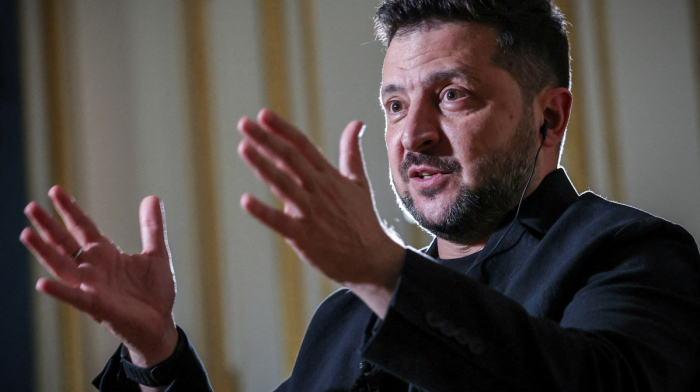
Ukrainian officials emphasize that the minerals agreement aligns with the country’s strategic interests. President Volodymyr Zelenskyy described the final version as an improvement over earlier drafts, which some lawmakers had previously criticized for being too one-sided. The deal does not require Ukraine to return previous aid, and it includes a U.S. statement recognizing Ukraine’s EU aspirations.


















What is your opinion on this topic?
Leave the first comment