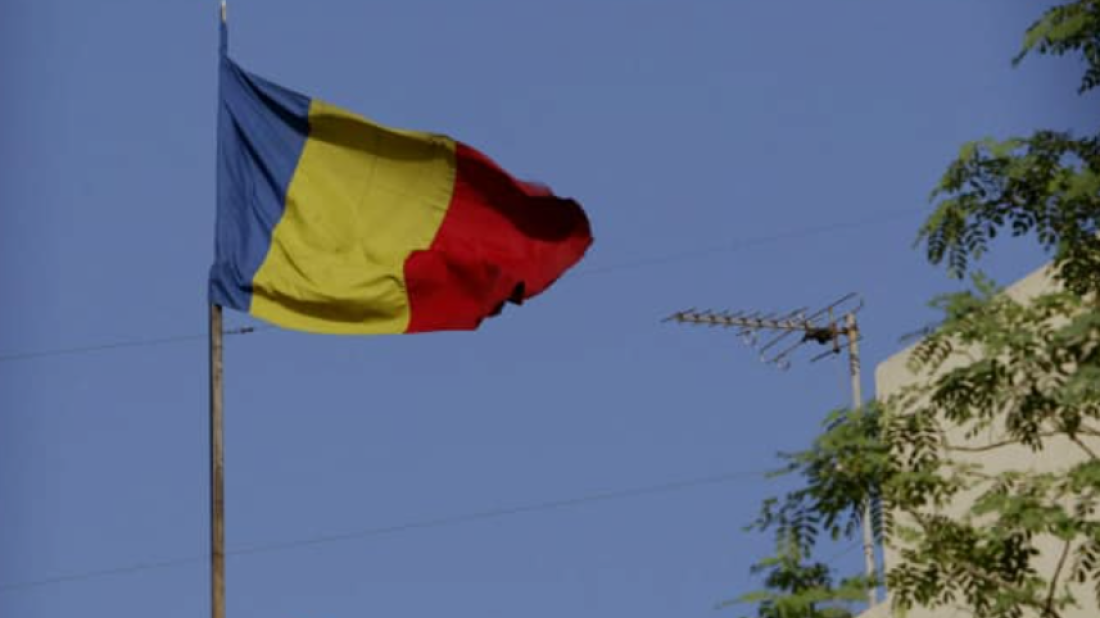
Romanians vote Sunday in a rerun presidential election with far-right eurosceptic George Simion leading the polls, a potential upset that could unsettle markets and raise alarms in the EU and NATO.
Romanians will head back to the polls on Sunday for a repeat presidential election that could hand victory to ultranationalist George Simion—an outcome that analysts say would unsettle investors and raise alarm within both the European Union and NATO.
The rerun follows the annulment of December’s vote amid allegations of Russian meddling, which Moscow denies. Simion, 38, has surged to about 30 percent in recent polls, capitalising on public anger over the cancellation and inheriting much of the support once directed at barred far-right contender Călin Georgescu. Although comfortably ahead of his rivals, Simion is unlikely to clear the 50 percent threshold on Sunday, setting up a 18 May runoff against whichever centrist finishes second.
A conservative Christian and self-declared eurosceptic, Simion opposes military aid to neighbouring Ukraine, is critical of EU leadership and has voiced admiration for former U.S. president Donald Trump’s “Make America Great Again” agenda. In 2018 he backed an unsuccessful referendum aimed at blocking same-sex marriage, and he has called for Romania’s borders to be redrawn to match the country’s 1940 frontiers—claims that touch present-day Bulgaria, Moldova and Ukraine.
His main challengers are two pro-Western centrists: 65-year-old former senator Crin Antonescu, backed by the governing coalition, and 55-year-old Bucharest mayor Nicușor Dan, standing as an independent reformist. Both support the EU, NATO and continued assistance to Kyiv.
Romania’s president serves a semi-executive five-year term, commanding the armed forces, appointing the prime minister and representing the country at EU and NATO summits. Financial institutions warn that a Simion victory would inject significant uncertainty, potentially upending the current coalition as the government struggles to tame one of the bloc’s largest budget deficits.
The next head of state will also face pressure to boost defence spending, manage the economic fallout of any trade disputes and repair ties with Washington after criticism from some U.S. officials over the cancelled December vote.
Simion has pledged to reveal the true cost of Romania’s support for Ukraine, contrasting it with domestic spending needs. The country has already donated a Patriot air-defence battery to Kyiv, trains Ukrainian fighter pilots and has handled around 30 million tonnes of Ukrainian grain through the Black Sea port of Constanța since Russia’s full-scale invasion in 2022.
Supporters praise Simion for what they see as straightforward patriotism and integrity. “He backed the only candidate who wanted the best for Romania,” said lawyer Vlad Popa, 50. “I hope he restores democracy through his actions.”










What is your opinion on this topic?
Leave the first comment