



11:49 CET
Defence spending
South Korea says Trump welcomes progress on U.S. investment
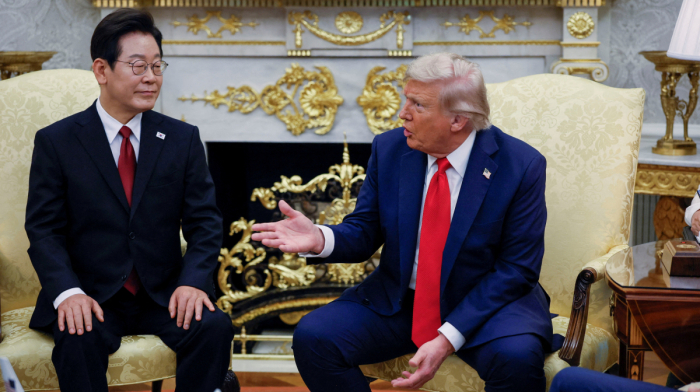
South Korean President Lee Jae Myu...
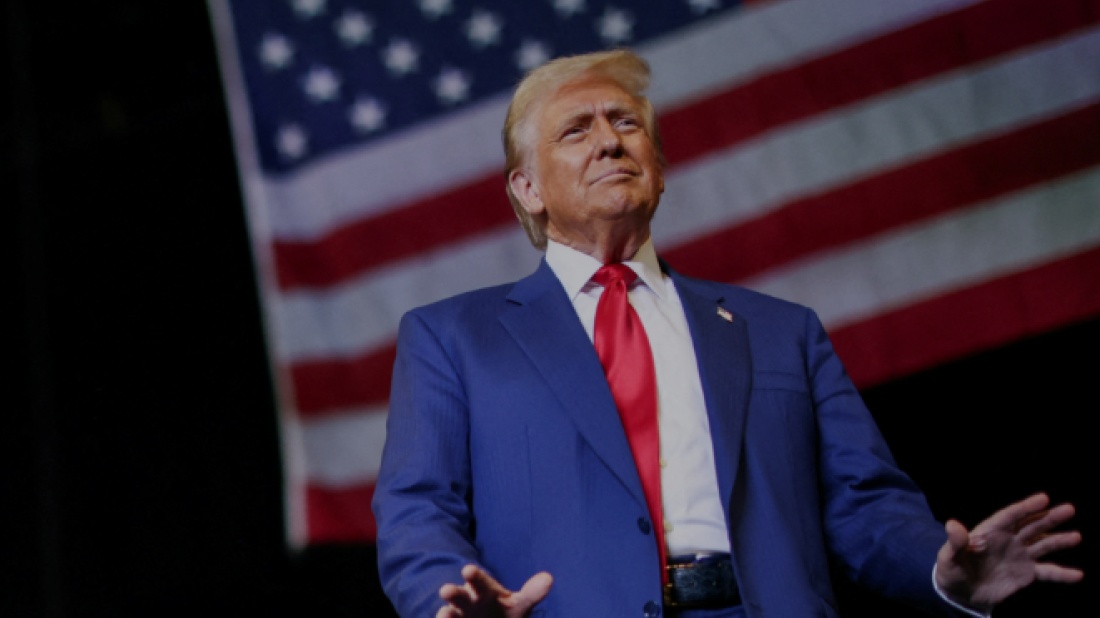


In an expansive interview marking his first 100 days back in office, President Donald Trump sketched out an agenda that touches everything from punitive tariffs and China policy to cease-fire hopes in Ukraine and an overhaul of domestic programmes. Below are the highlights.
1. Tariffs: the Centrepiece of Economic Strategy
“Giant department store” doctrine – Trump likened the United States to a retailer that sets its own prices, insisting that high across-the-board tariffs (up to 145 % on some products) are “total victory” because they force companies to build in America.
Timetable for deals – He claimed to have struck or finalised “200” tariff arrangements and said definitive country-by-country rates will be unveiled “within three to four weeks.”
Small-business concerns – While CEOs of major retailers “love” the policy, the President said exemptions for small firms would be considered “case-by-case.”
Inflation rebuttal – Trump argued that inflows of tariff revenue, not interest-rate moves, are already lowering grocery and energy prices.
2. China: From Phone Calls to “Unsustainable” Trade
Direct line to Xi – Trump confirmed President Xi Jinping “has called,” adding that both sides want a deal but only on U.S. terms.
Hard line on deficits – He labelled a $2 trillion annual U.S. trade gap “unsustainable” and reiterated tariffs as leverage until Beijing “pays a fair price.”
No summit unless Beijing blinks – Trump said he will not phone Xi first and will reveal country-specific tariff rates that push supply chains back to American soil.
3. Ukraine–Russia: “Very Close to a Deal”
Cease-fire ambition – Calling the conflict “Biden’s war,” Trump insisted he alone can bring both sides to the table and claimed talks are advancing.
Crimea stays Russian – The President declared that Crimea “will stay with Russia,” contending Kyiv already recognises that reality.
NATO limits – Trump repeated that Ukraine “will never” join NATO, arguing the alliance question originally sparked the war.
Putin factor – He believes peace is achievable “if Putin is still president” and that Moscow prefers negotiation over “taking the whole thing”—provided Trump brokers it.
4. Domestic Cuts, DOGE and Deportations
Government downsizing – Through the Data-Oriented Government Efficiencies (DOGE) initiative, agencies are compiling a single database to uncover “hundreds of billions” in waste.
Border and deportations – Trump said mass removals of undocumented immigrants fulfil campaign promises and insisted U.S. criminality justifies exploring overseas incarceration deals.
Social programmes – He pledged to veto any Republican bill that slices Social Security or Medicare, but said “waste, fraud and abuse” in Medicaid remain targets.
Free-speech backlash – The administration revoked student visas for protesters it deems antisemitic, a move Trump says defends campuses rather than chills dissent.
5. Third-Term Talk and Global Ambitions
Term-limit “loopholes” – Despite once ruling out a third term, Trump now says supporters “are inundating” him to consider legal avenues, though he “doesn’t believe in loopholes.”
Territorial expansion – He floated statehood for Canada, acquisition of Greenland and strategic control of the Panama Canal as ways to bolster U.S. security and wealth.
Middle-East push – An upcoming trip to Saudi Arabia, Qatar and the UAE aims to secure a promised $1 trillion in Gulf investment and restart the Abraham Accords, potentially drawing Riyadh into formal ties with Israel.

South Korean President Lee Jae Myu...
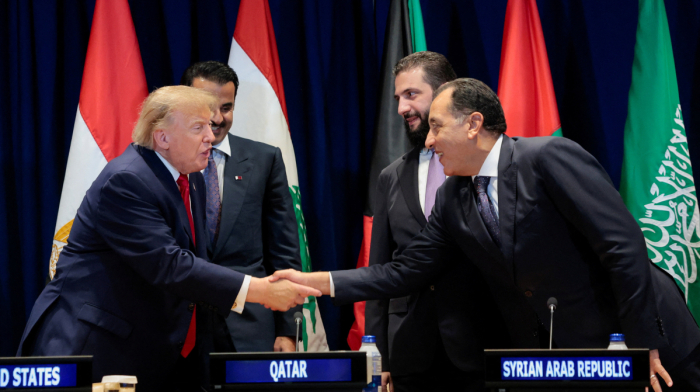
U.S. President Donald Trump said his team held a three-hour meeting with an Iranian delegation in New York that he described as “very good&rd...
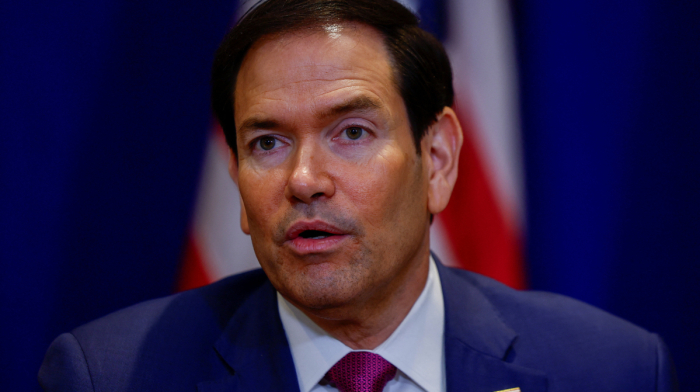
U.S. Secretary of State Marco Rubio is set to meet Russian Foreign Minister Sergey Lavrov in New York on Wednesday, as Washington pushes for an end...
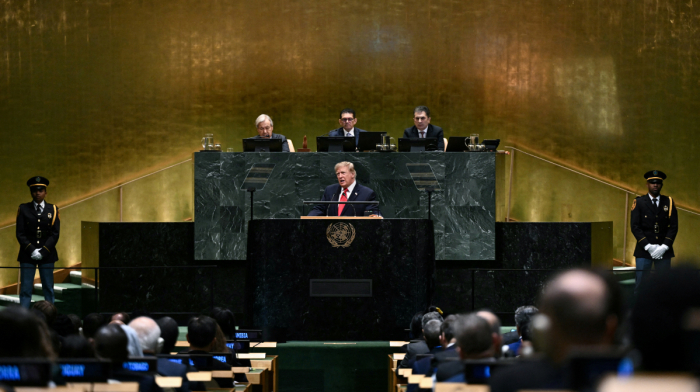
U.S. President Donald Trump is addressing the UN General Assembly as world leaders gather in New York for the 81st session. Conflicts in the Middle East and Ukraine, global security and diplomacy set to dominate the event.
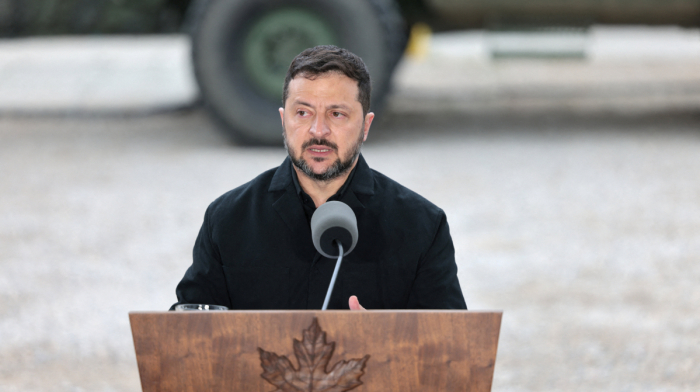
Ukrainian President Volodymyr Zelenskyy said Kyiv was ready to halt strikes on Russian energy facilities if Moscow stops targeting Ukraine’s energy sector, critical infrastructure, and food exports, as he prepared to meet U.S. President Donald Trump in New York.
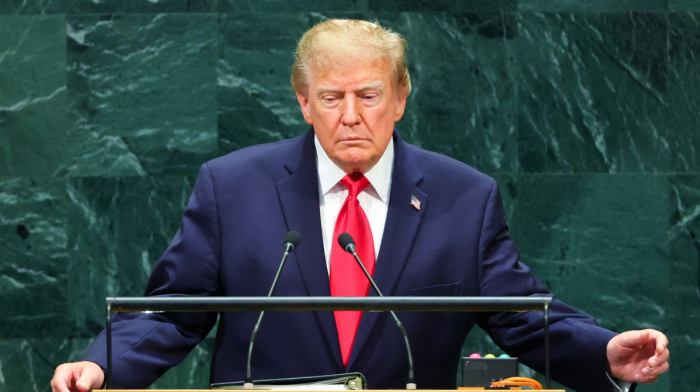
While addressing the 81st session of the UN General Assembly, U.S. President Donald Trump said he believes Washington and Tehran will reach a deal after the U.S. midterm elections.
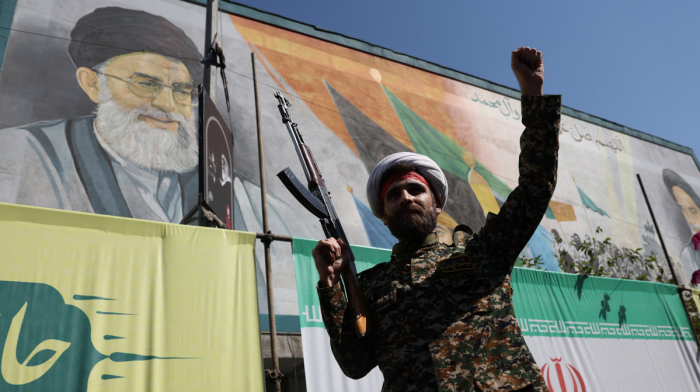
Iran's military has threatened to launch sustained attacks on U.S. bases and interests across the Middle East if Washington resumes military action against Tehran.
U.S. President Donald Trump said his team held a three-hour meeting with an Iranian delegation in New York that he described as “very good” and “productive”, with another round of talks scheduled soon.
South Korean President Lee Jae Myung and U.S. President Donald Trump welcomed “significant progress” in discussions on strategic investment projects on the sidelines of the United Nations General Assembly, Seoul's presidential office said on Wednesday.
U.S. Secretary of State Marco Rubio is set to meet Russian Foreign Minister Sergey Lavrov in New York on Wednesday, as Washington pushes for an end to the war in Ukraine and Kyiv and Moscow continue to strike energy infrastructure.
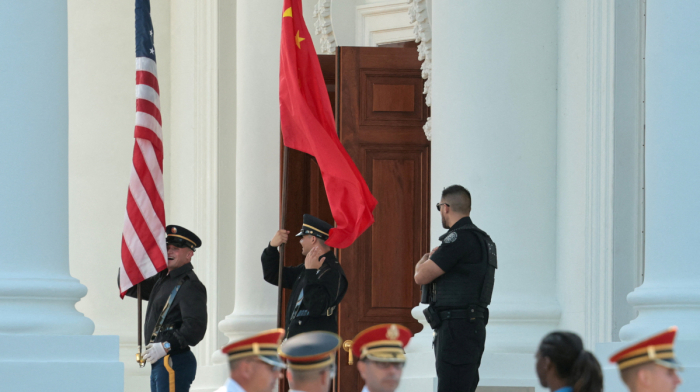
Taiwan and human rights are “red lines” for China that cannot be crossed, the country's ambassador to the U.S. warned on Wednesday, striking a firm tone ahead of this week's leadership summit in Washington.
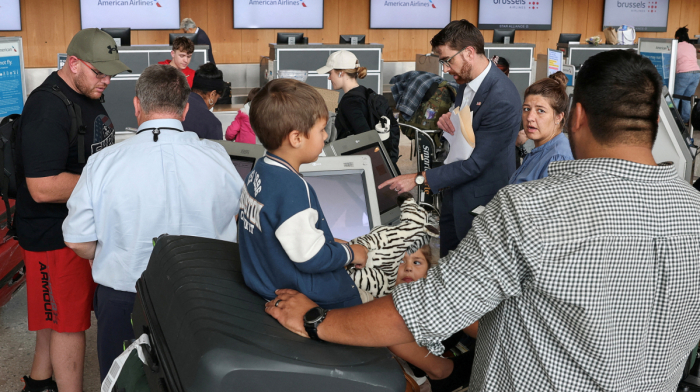
The Trump administration plans to set a refugee admissions ceiling of 17,500 over the next 12 months, with the programme expected to consist primarily of South Africans from the white Afrikaner minority, according to a notice sent to Congress on Tuesday, 22 September.
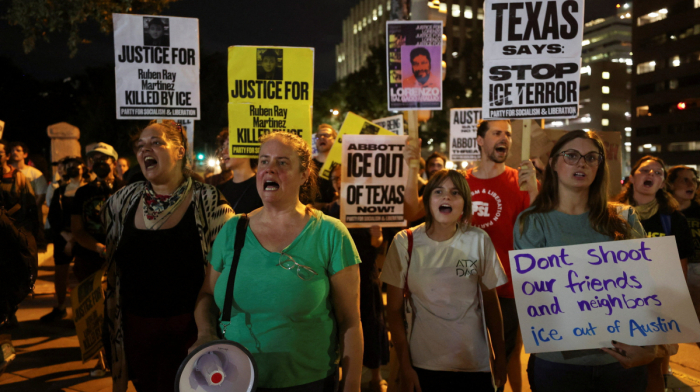
A Venezuelan man who was shot by a federal immigration agent in Austin, Texas, has been treated in hospital for paralysis on his left side and returned to an immigration detention centre, his lawyer says.
You can download the AnewZ application from Play Store and the App Store.




What is your opinion on this topic?
Leave the first comment