Pope Francis delivered a powerful Easter message of peace and resilience from the heart of Vatican City, as thousands gathered in St. Peter’s Square for one of Christianity’s most sacred celebrations. Marking his first public Easter appearance since recovering from pneumonia.
Thousands of pilgrims from around the world gathered in St. Peter’s Square to witness the Vatican’s Easter celebrations, a cornerstone of the Christian calendar. This year’s observance carried special significance, marking Pope Francis’ first public Easter appearance since recovering from a serious health scare earlier this year.
The Holy Week culminated in Easter Sunday Mass, held at St. Peter’s Basilica and followed by the traditional Urbi et Orbi (“To the City and the World”) blessing, delivered by the Pope from the central balcony. Though visibly frail, the 88-year-old pontiff offered a powerful message of hope, peace, and compassion, with his speech read aloud by a senior Vatican official as he looked on.
A Call for Peace and Unity
In his Easter address, Pope Francis renewed his call for peace in conflict zones across the globe, with a particular focus on the ongoing humanitarian crisis in Gaza and the war in Ukraine. He urged global leaders to pursue dialogue over division and to protect the vulnerable caught in the crossfire of conflict.
"The resurrection of Christ is a reminder that light always follows darkness, and life triumphs over death," the Pope’s message read. He specifically called for an immediate ceasefire in Gaza, the release of hostages, and a global commitment to justice, peace, and reconciliation.
He also condemned the rise of antisemitism and other forms of hatred, stressing the importance of interfaith dialogue and solidarity in a divided world.
A Celebration of Faith and Resilience
The celebrations began in the early hours with the Easter Vigil Mass on Saturday night, considered the most solemn liturgy of the Catholic Church. The Basilica was bathed in candlelight as Pope Francis lit the Paschal candle, symbolizing Christ’s resurrection. Despite his health limitations, the Pope participated with visible emotion, supported by aides throughout the ceremony.
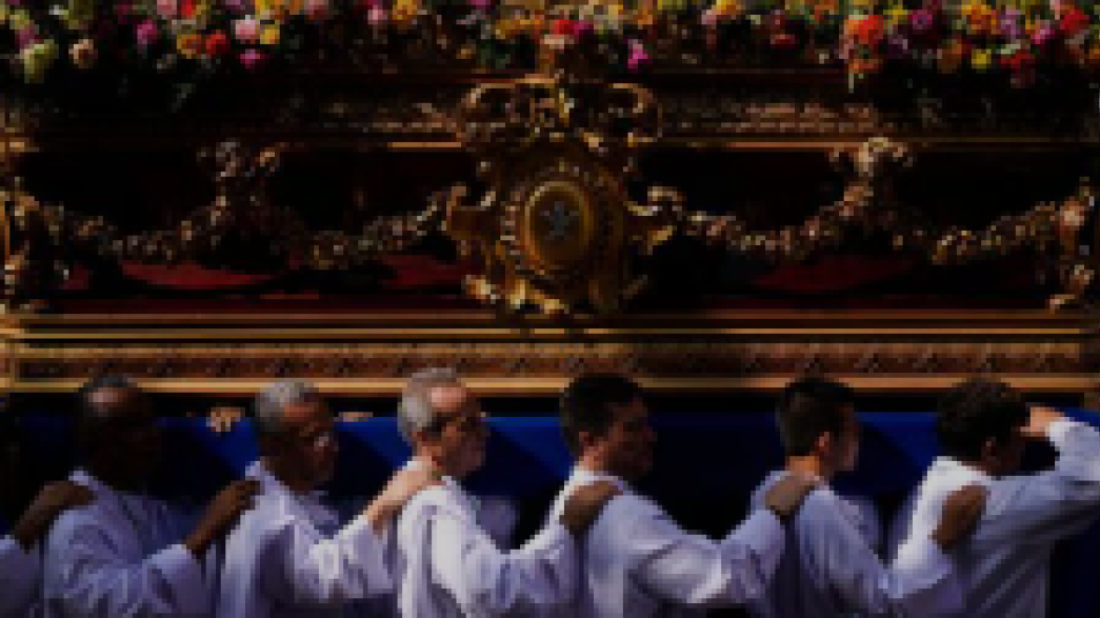
On Sunday, the Easter Mass brought together cardinals, bishops, clergy, and laypeople from across continents. The square, adorned with thousands of blooming flowers donated annually by the Netherlands, echoed with music, prayers, and cheers of “Viva il Papa!”
Following the Mass, Pope Francis appeared in an open-air popemobile to greet the faithful — his first such outing since being hospitalized for pneumonia. Smiling and waving, he received blessings and warm greetings from the crowd, many holding national flags and Easter lilies.
Looking Ahead
This year’s Easter celebrations at the Vatican were not only a spiritual landmark but also a testament to resilience — both of the Pope and the Catholic Church in a time of global uncertainty. Pope Francis, who has consistently focused on humility, social justice, and the environment during his papacy, once again used this sacred occasion to unite hearts around compassion and action.
The Vatican's message remains clear: amid suffering, faith endures; amid division, peace is still possible.











What is your opinion on this topic?
Leave the first comment