A U.S. airstrike on Yemen’s Ras Isa oil port has killed at least 74 people and injured 171 others, marking the deadliest known attack in President Trump’s renewed campaign against Houthi rebels and raising alarm over the widening scope of the conflict.
Oil Depot Strike Marks Deadliest Incident in U.S. Campaign on Houthis
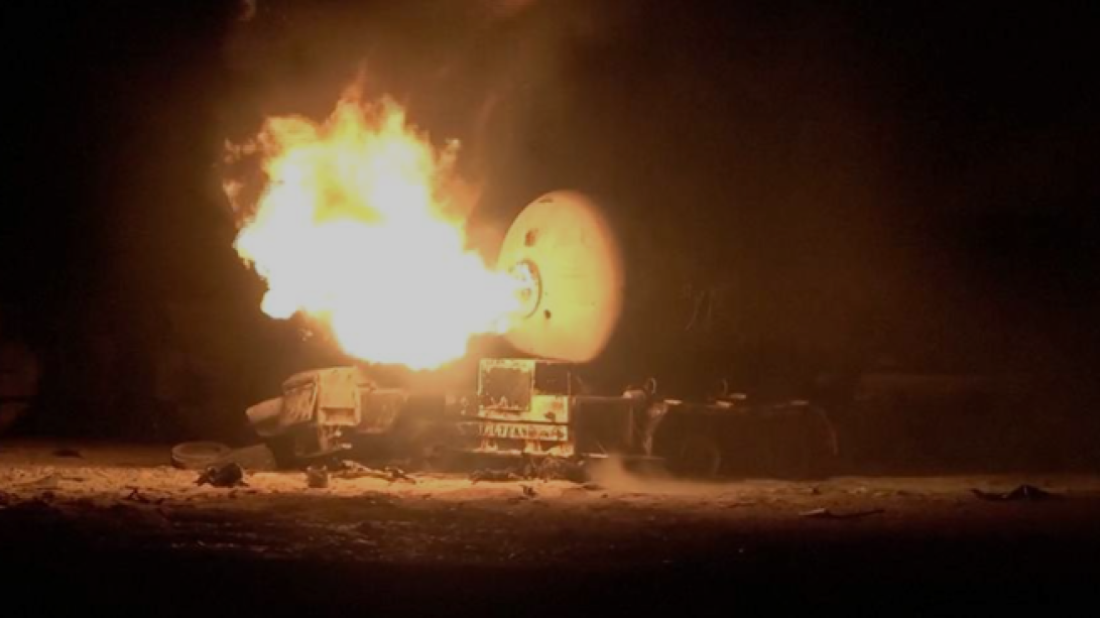
U.S. airstrikes on Yemen’s Ras Isa oil port, controlled by Houthi rebels, have left at least 74 people dead and 171 wounded, in what is now considered the deadliest known attack in President Donald Trump’s renewed offensive against the Iran-backed group. The port strike, which ignited massive fireballs and caused significant environmental damage with oil leaking into the Red Sea, underscores a major escalation in the monthlong American campaign.
The U.S. Central Command has not released official casualty figures or details on the targets, making independent verification difficult. Meanwhile, the Houthis, who tightly control access to the affected areas, released graphic images from the site but provided limited clarity on whether casualties were military or civilian. Analysts say the lack of transparency from both sides makes it challenging to assess the true toll.
The Ras Isa port serves as a vital lifeline for the Houthi-controlled regions, supplying gasoline, diesel, and liquefied petroleum gas. Its destruction could exacerbate the already dire humanitarian conditions in northern Yemen. The Houthis condemned the strike as “a completely unjustified aggression,” accusing Washington of deliberately targeting civilian infrastructure.
Satellite imagery analyzed by the Associated Press shows widespread destruction at the port, with several oil tanks and vehicles obliterated. The strike also coincided with broader regional tensions, as the Houthis launched a missile toward Israel later that day—intercepted by Israeli defenses—as the war continues to regionalize.
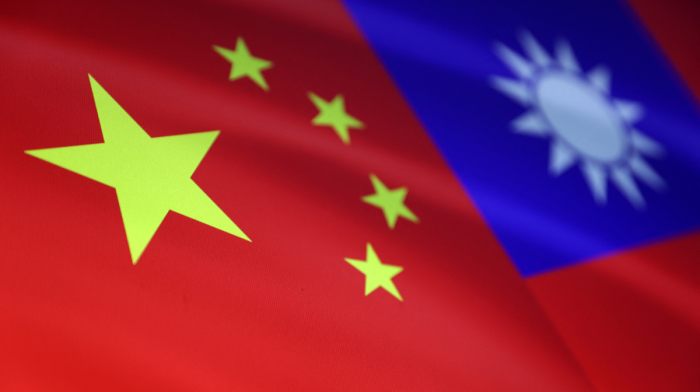
Complicating the geopolitical landscape further, the U.S. accused a Chinese satellite imaging firm, Chang Guang Satellite Technology Co. Ltd., of providing intelligence support to the Houthis. While China denied direct involvement, the accusation adds another layer to rising international concerns.
The campaign, launched on March 15, marks a departure from previous U.S. approaches and represents an intensifying shift in Washington’s policy in the region. The strike on Ras Isa is also notable as the first acknowledged by the Houthis to have caused mass casualties, suggesting a potentially deliberate public messaging shift by the group.
With additional Iran-U.S. nuclear negotiations set to take place in Rome, and accusations flying over international satellite support to the Houthis, the situation continues to escalate. Observers warn that without restraint and diplomacy, the Yemeni conflict risks spiraling further into a multinational crisis.


















What is your opinion on this topic?
Leave the first comment