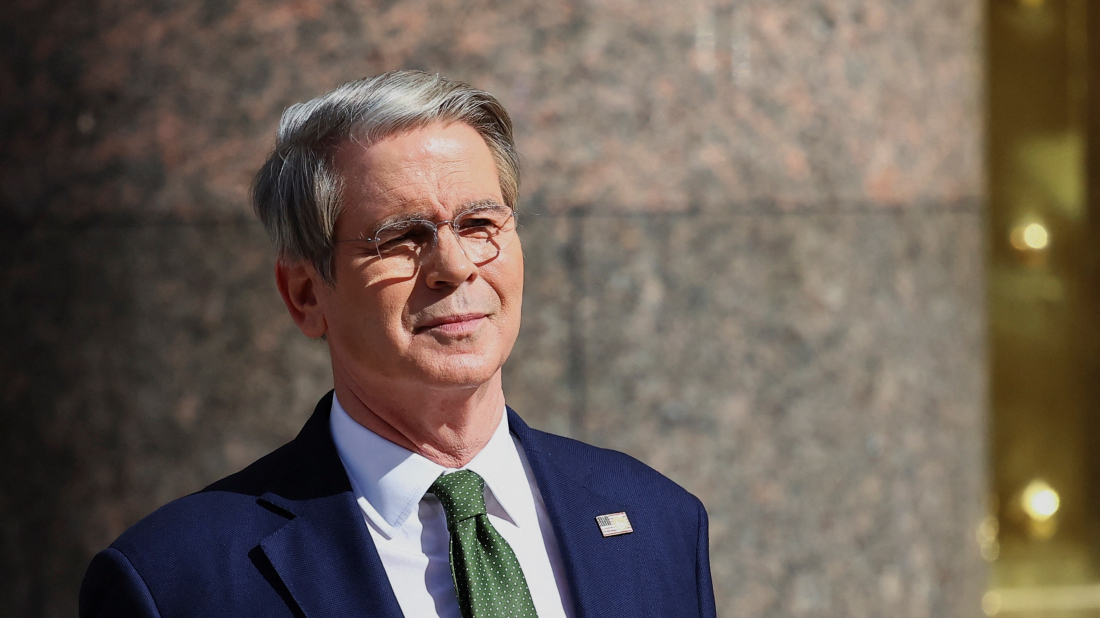
U.S. Treasury Secretary Scott Bessent visited Buenos Aires on Monday to express full support for President Javier Milei’s sweeping economic reforms, calling them a turning point in Argentina’s comeback from financial collapse.
“I wanted to come here today to show support for President Milei and his commitment … to what I think is historic in terms of bringing Argentina back from the precipice,” Bessent said in an interview with Bloomberg TV after their meeting.
The visit followed a flurry of economic activity in Argentina, including a $20 billion deal with the International Monetary Fund, a $12 billion package from the World Bank and $10 billion in loans from the Inter-American Development Bank — all within days of the Milei government loosening strict currency controls.
Bessent also praised Argentina’s efforts to lower trade barriers and said the Trump administration was prioritising stronger ties with Latin America, warning against dependence on Chinese lending.
He accused Beijing of structuring predatory deals across Africa and Latin America under the guise of aid, offering loans in exchange for critical mineral rights and leaving countries saddled with unsustainable debt.
“They're guaranteeing that future generations are going to be poor and without resources,” Bessent said. “We don't want that to happen any more than already has in Latin America.”
While Beijing has extended billions in credit to Argentina in recent years, Bessent said the U.S. would not match that with direct loans. He acknowledged, however, that China had shown “very good faith” by allowing the roll-forward of $5 billion previously used by Argentina.
He added that if the current government sticks to its reforms, the country should have enough reserves to repay that sum in time.
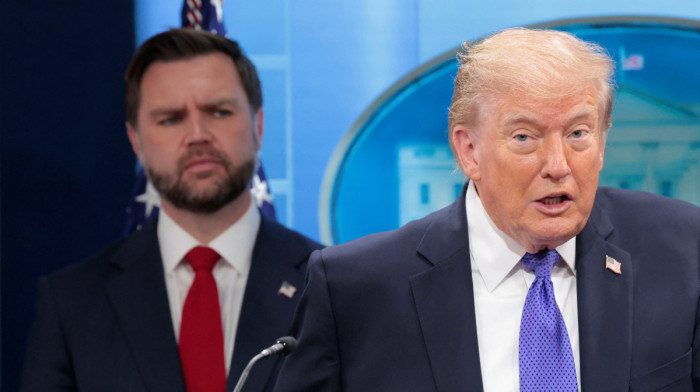
Argentina is one of several Latin American countries receiving high-level U.S. attention this year. President Donald Trump met Salvadoran leader Nayib Bukele at the White House on Monday and hosted Ecuador’s President Daniel Noboa in Florida last month.
Bessent did not confirm whether Argentina might earn zero-tariff access under Trump’s new reciprocal tariff regime, but said the door remained open — if Buenos Aires “brings its A-game” to negotiations.
Trade talks, he added, go beyond tariff cuts. “It’s a whole box of things — non-tariff barriers, currency manipulation, subsidised labour,” he said. “We’re not just talking about numbers. We’re talking about fairness.”











What is your opinion on this topic?
Leave the first comment