Hate speech against India’s Muslims and Christians up 74% in 2024
Hate speech targeting Muslims and Christians in India surged by 74% in 2024, driven by election-season rhetoric and unrest in neighboring Bangladesh, ...
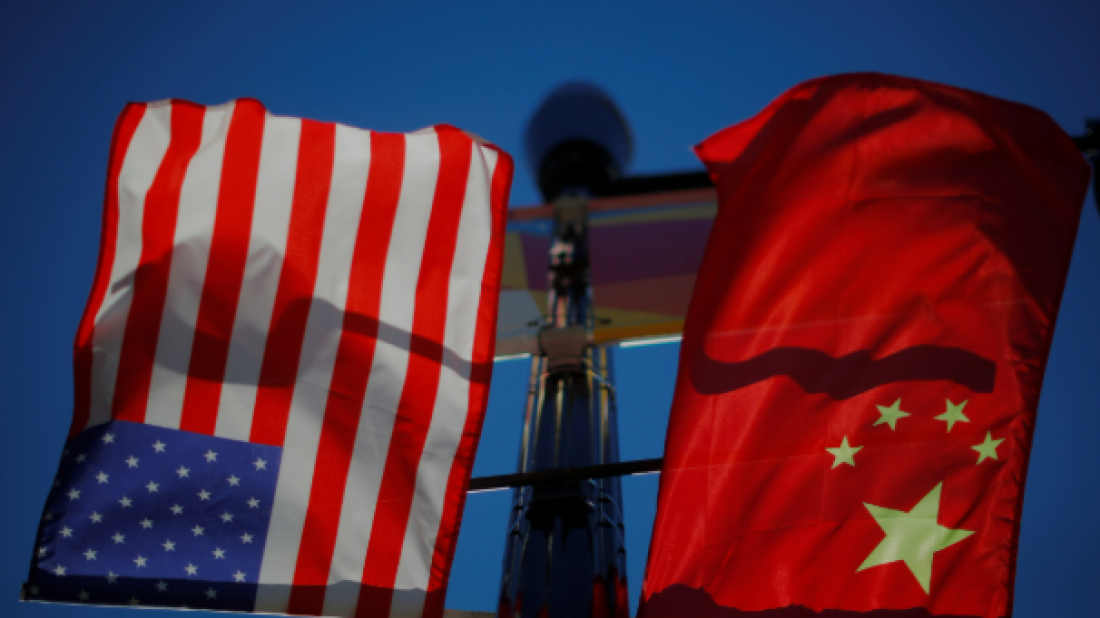
China has imposed visa restrictions on select U.S. personnel in retaliation for Washington's sanctions over access to Tibet, escalating diplomatic friction over the sensitive region.
China announced on Monday that it will impose visa restrictions on certain U.S. individuals who it claims have "behaved badly" regarding Tibet-related matters, according to a statement from the Foreign Ministry.
The move comes in response to recent U.S. sanctions imposed two weeks earlier, which targeted Chinese officials allegedly involved in restricting access to Tibetan regions for foreign diplomats, journalists, and observers. Washington accused Beijing of systematically denying such access and called for "unrestricted entry" to Tibet and surrounding areas for U.S. representatives.
Chinese Foreign Ministry spokesperson Lin Jian condemned the U.S. actions, describing Tibet-related issues as part of China’s "internal affairs." He stated that the U.S. was "abusing visa restrictions" in a way that "seriously violates international law and the basic norms of international relations."
While foreign tourists can visit Tibet under group arrangements and with prior permits, diplomats and foreign journalists are required to seek special approval from local authorities.
"Tibet is open," Lin said, adding that China welcomes "friendly people from other countries to visit, travel, and do business" in the region. However, he emphasized that China strongly opposes any interference under the guise of human rights, religion, or culture.
China took control of Tibet in 1950, a move it describes as a "peaceful liberation" from a feudal system.

Scores of demonstrators gathered outside the Norwegian Nobel Institute in Oslo Tuesday (9 December) to protest against the awarding of this year’s Nobel Peace Prize to Venezuelan opposition leader Maria Corina Machado.
Authorities in Japan lifted all tsunami warnings on Tuesday following a strong 7.5-magnitude earthquake that struck off the northeastern coast late on Monday, injuring at least 30 people and forcing around 90,000 residents to evacuate their homes.
Pressure is mounting between Venezuela and the United States as both nations emphasise military preparedness and strategic positioning.
Tehran has protested to Washington because of the travel ban on its football team delegation as well as Iranian fans who would like to travel to the United States for the upcoming World Cup matches in 2026.
Iran and Saudi Arabia reiterated their commitment to enhance ties following a joint meeting with China in Tehran on Tuesday to follow up on implementation of the 2023 Beijing Agreement which resulted in resumption of their diplomatic relations after eight years.
Hate speech targeting Muslims and Christians in India surged by 74% in 2024, driven by election-season rhetoric and unrest in neighboring Bangladesh, according to a new report from the India Hate Lab, a Washington-based research organization.
At least 19 people were killed and 16 injured as two buildings collapased in Morocco's Fes city according to the state news agency.
Start your day informed with AnewZ Morning Brief: here are the top news stories for the 10th of December, covering the latest developments you need to know.
The world’s leading minds and voices will be honoured on Wednesday, 10 December, the anniversary of Alfred Nobel’s death, as Nobel Prizes are presented in Stockholm and Oslo.
Artillery fire and ground skirmishes have erupted this week along the disputed border between Thailand and Cambodia, shattering a fragile ceasefire and displacing tens of thousands of civilians in the worst outbreak of violence between the neighbours in years.
You can download the AnewZ application from Play Store and the App Store.
What is your opinion on this topic?
Leave the first comment