On the war's 1,000th day, Ukraine launched U.S.-supplied ATACMS missiles into Russia, hitting an arms depot in Bryansk. Russia intercepted most of the missiles, but the strike marked a significant escalation in the conflict.
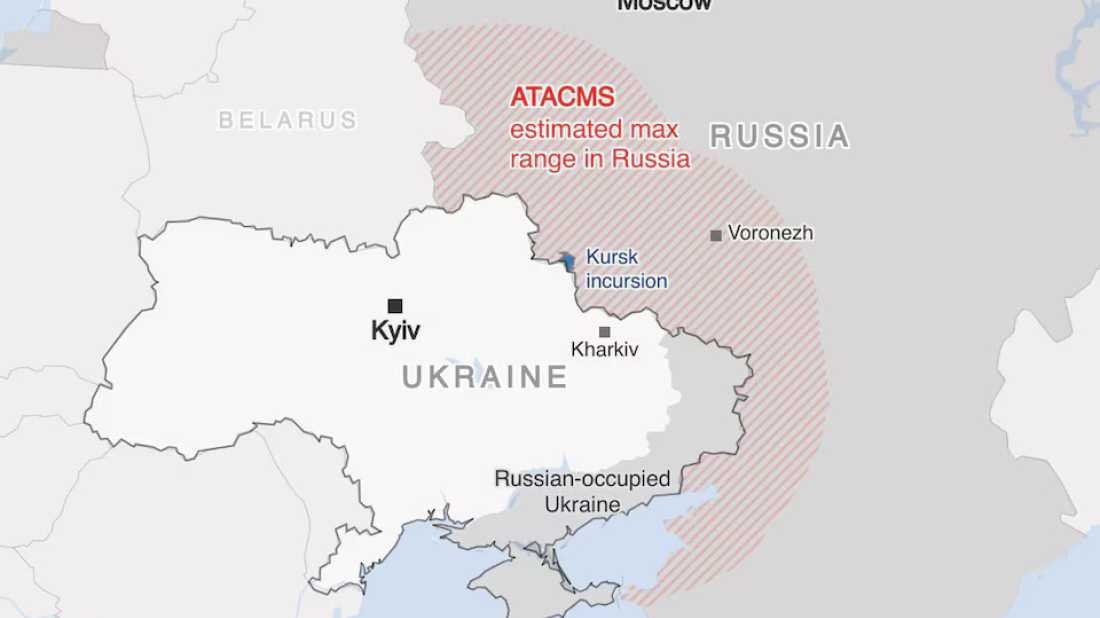
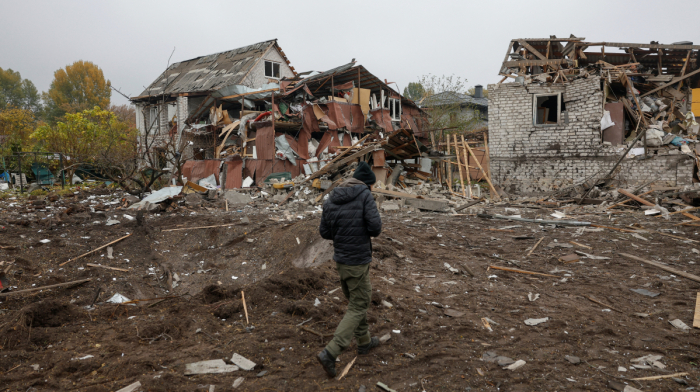
Ukraine launched US-supplied ATACMS missiles into Russian territory for the first time on Tuesday, marking the 1,000th day of the war. The strike targeted a Russian military facility in the Bryansk region. Russia reported that its forces intercepted five of the six missiles, with debris from one missile causing a fire at the facility, which was quickly extinguished without casualties or significant damage. Ukraine confirmed that the strike hit an arms depot about 110 km (70 miles) inside Russian territory, triggering secondary explosions. While Ukraine did not publicly confirm the missile type, sources from the Ukrainian government and US officials confirmed the use of ATACMS.
A US official stated that two of the eight missiles fired were intercepted by Russian defences. The Biden administration approved the use of ATACMS missiles this week, marking a significant step as these are the longest-range weapons the US has provided to Ukraine. In response, Russian Foreign Minister Sergei Lavrov argued that this move was a clear escalation by the West, suggesting that Washington's involvement could lead to direct retaliation.
The missile strike occurred as Ukraine marked 1,000 days of the conflict, with a fifth of its territory under Russian control. There are growing concerns over the future of Western support, particularly with the upcoming return of US President-elect Donald Trump. Additionally, Russia’s Defence Ministry claimed to have shot down 42 Ukrainian drones in various regions, including Bryansk, between 9 p.m. and 11:55 p.m. local time.
Military analysts noted that while the use of ATACMS missiles could help Ukraine in defending Russian-occupied territory, the move is unlikely to significantly alter the course of the war, given the late timing. The range of the ATACMS is much shorter than some of Russia's advanced missiles, such as the Kinzhal hypersonic missile, which has a range of up to 2,000 km.
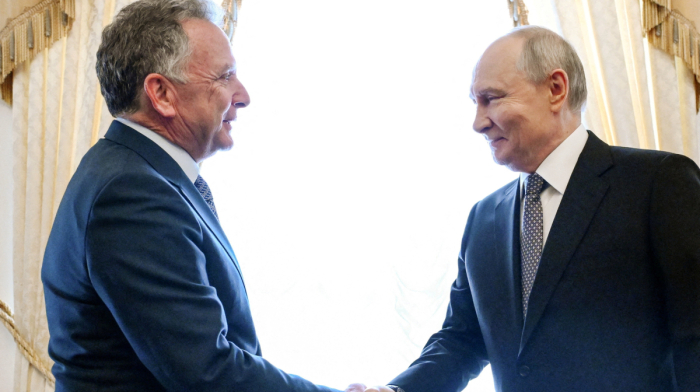
On the same day, Russian President Vladimir Putin signed a new nuclear doctrine, lowering the threshold for potential nuclear weapon use in response to threats to Russia's territorial integrity. The US dismissed the updated nuclear strategy as predictable and reiterated that such rhetoric would not change its stance. Ukrainian President Volodymyr Zelensky criticised Putin for prioritising a nuclear strategy over peace efforts, claiming that the Russian president's actions demonstrated his continued desire for war.
Whilst, the US Pentagon announced a potential $100 million sale of military equipment to Ukraine, and Denmark pledged a $138 million contribution to support the development of Ukraine's arms industry.

















What is your opinion on this topic?
Leave the first comment