Left Party doubles support in Berlin election, defeating Merz's CDU
The Left Party won Sunday's Berlin state election with 25.5 per cent of the vote in the preliminary result, ahead of the Christian Democra...
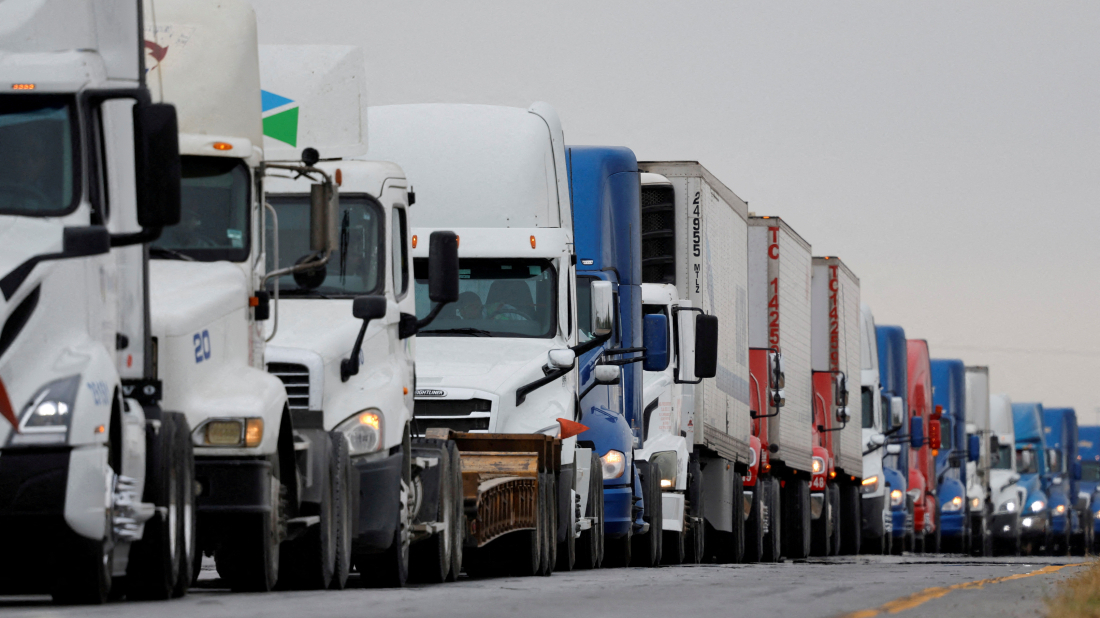
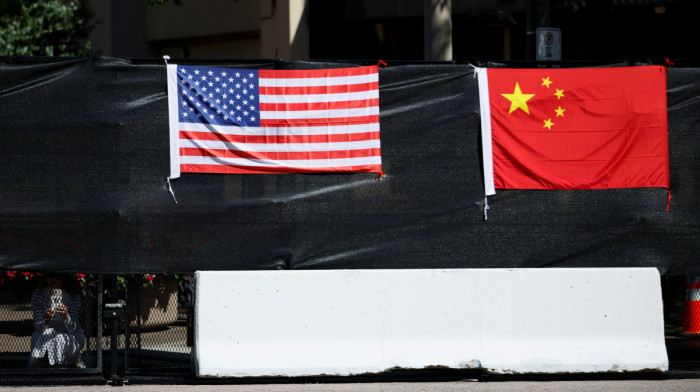
Trump’s new tariffs on Canada, Mexico, and China took effect Tuesday, sparking a global trade war as Canada, Mexico, and China retaliated with their own duties. The move has rattled markets, raised consumer prices, and fueled recession fears.
Canada imposed 25% tariffs on C$30 billion ($20.7 billion) worth of U.S. goods, targeting orange juice, peanut butter, wine, spirits, coffee, appliances, and motorcycles.
Mexico announced countermeasures, with President Claudia Sheinbaum set to reveal details on Sunday.
China imposed 10%-15% tariffs on select U.S. imports starting March 10 and placed 25 U.S. firms under export restrictions.
Canadian Prime Minister Justin Trudeau condemned the tariffs as "a very dumb thing to do," accusing Trump of attempting to cripple Canada’s economy.
"They’ve chosen to launch a trade war that will, first and foremost, harm American families," Trudeau said.
U.S. stocks plummeted, with the Nasdaq falling into correction territory.
The Canadian dollar and Mexican peso weakened against the U.S. dollar.
The U.S. Federal Reserve Bank of Atlanta revised its GDP forecast downward, now projecting a 2.8% economic contraction in Q1 2025.
The tariffs are already leading to higher consumer prices:
Retailers like Target and Best Buy warned of price increases on groceries, electronics, and imported goods.
Smartphones, laptops, and gaming consoles will be hit with a 20% tariff on Chinese imports.
U.S. farmers face renewed economic pain as China targets U.S. agricultural exports.
Trump justified the tariffs as a response to fentanyl trafficking from Canada, Mexico, and China.
"This country has stuck with them through thick and thin," Trump said, adding that Europe should contribute more.
However, experts warn the tariffs could drive the U.S. into recession, further escalating tensions with global trading partners.

Saudi civil defence sent an all-clear on Saturday after issuing alerts for a second time for potential danger in Riyadh and the city of Al-Kharj east of the capital, amid an uptick in attacks by Iran-aligned Houthis on the Gulf country.
Houthi attacks target Riyadh amid concerns over Saudi oil supplies, as Iran says it will not reopen the Strait of Hormuz until its conditions are met and U.S. commitments are implemented, parliament speaker Mohammad Bagher Ghalibaf said on Sunday.
The U.S. State Department approved a $2.7 billion military sale to Ukraine for air-defence development upgrades, along with related equipment and services, the department said. Meanwhile, Ukrainian authorities reported at least 10 people had died in Russian attacks over the last 24 hours.
The death toll from an overnight Russian attack on the Kyiv region rose to four, including three children, Kyiv regional authorities said on Sunday. A mother and her two 3-year-old children were killed when a Russian drone strike hit a private home, the emergency service said.
U.S. President Donald Trump said on Friday that additional news organisations could be barred from the White House, hours after announcing bans on CNN, MS NOW and Politico over coverage he described as “fake news”.
The administration of U.S. President Donald Trump has prepared sanctions targeting the entire International Criminal Court (ICC) and could announce them soon, escalating Washington's efforts to pressure the global tribunal.
French President Emmanuel Macron and Canadian Prime Minister Mark Carney pledged closer ties on Sunday as they sought to strengthen cooperation on geopolitical tensions, climate change, energy and the protection of democratic values.
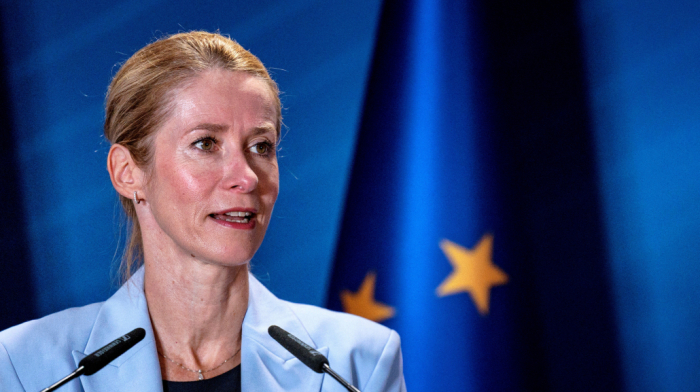
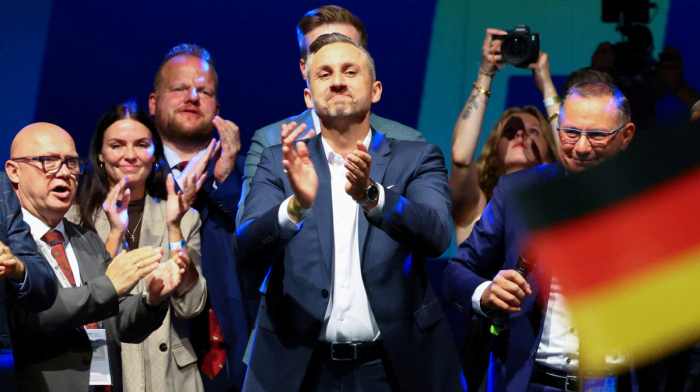
The Left Party won Sunday's Berlin state election with 25.5 per cent of the vote in the preliminary result, ahead of the Christian Democrats (CDU) on 19.1 per cent. This marks a major shift in the city's political landscape and a setback for Chancellor Friedrich Merz's ruling coalition.
German voters cast ballots on Sunday in two state elections that could add to the political pressure on Chancellor Friedrich Merz, as his government faces growing public frustration and a resurgent far right.
Iraq has returned restricted airspace across the western part of the country to civilian authorities, ending limits imposed for military operations against Islamic State since 2016, the Transport Ministry said.
You can download the AnewZ application from Play Store and the App Store.
What is your opinion on this topic?
Leave the first comment