British PM Andy Burnham has rejected calls to reconsider the UK’s ban on Palestine Action, insisting that the decision was based on evidence and had undergone parliamentary scrutiny. He said on Wednesday that he would not comment further while legal proceedings remain ongoing.
The issue was raised in the House of Commons by Claire Hanna of the Social Democratic and Labour Party, who pointed to a decision involving Irish author Sally Rooney and her publisher to halt sales of her books in Britain. Hanna asked whether the government would reconsider the ban, but Burnham defended the decision, saying it had been subject to a rigorous process and approved by MPs.
“The matter is a live legal case, so I won’t comment further than that,” he said.
Middle East response
Burnham also addressed the wider Middle East conflict, saying ministers shared concerns about deeply distressing scenes in Gaza and the West Bank.
He highlighted measures taken by Foreign Secretary Ed Miliband in response to developments threatening the prospects of a two-state solution.
“We won’t stand by when the viability of the two-state solution is threatened,” Burnham told MPs. He added that Miliband had issued another statement on the matter earlier this week.
A ban without precedent
Palestine Action was banned in July 2025 under former Prime Minister Keir Starmer, marking the first time a direct-action protest group had been proscribed under the UK's Terrorism Act.
The group says it uses direct action against companies supplying arms and equipment to the Israeli military.
The government introduced the ban after activists broke into RAF Brize Norton and sprayed two military aircraft withred paint, causing an estimated $9.3 million in damage.
The designation places Palestine Action alongside organisations banned under counter-terrorism legislation, making membership or expressions of support punishable by up to 14 years in prison.
Arrests climb sharply
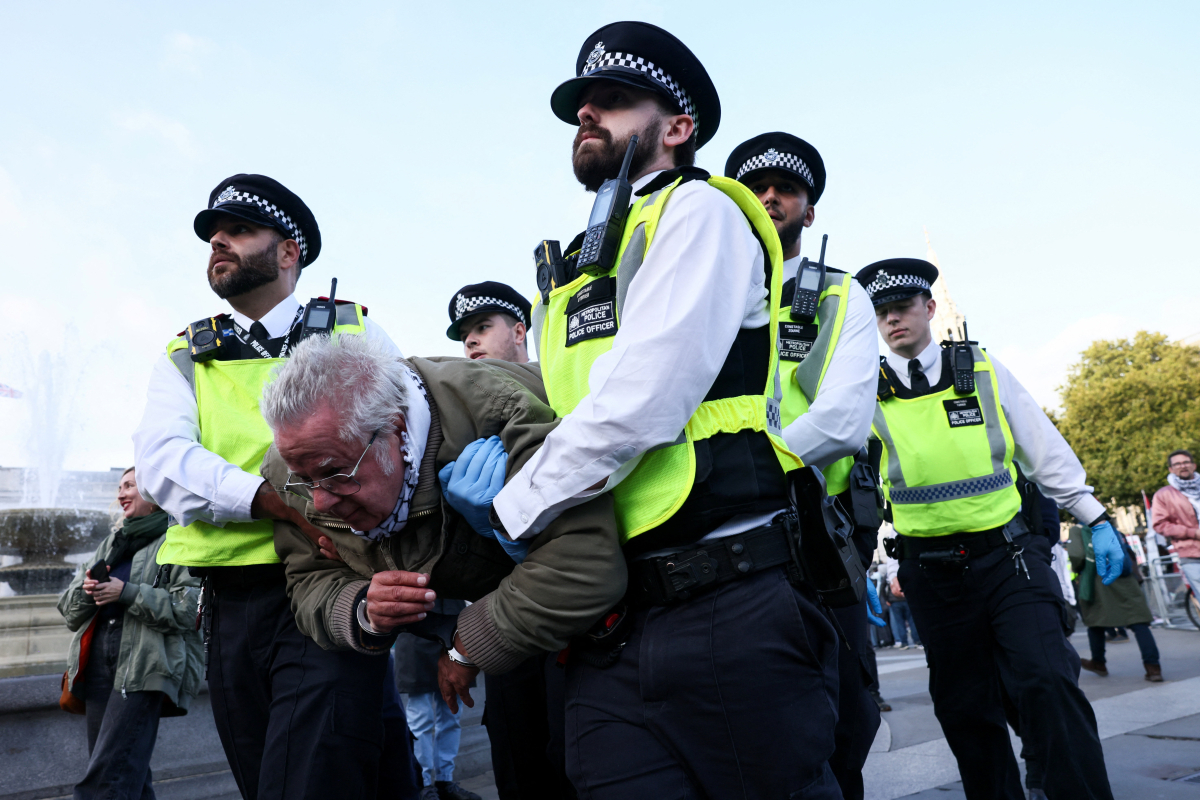
Home Office figures reveal a sharp rise in terrorism-related arrests following the proscription. Police recorded3,867 such arrests in the year to June 2026, compared with 234 in the previous year — a record increase of 1,553 per cent.
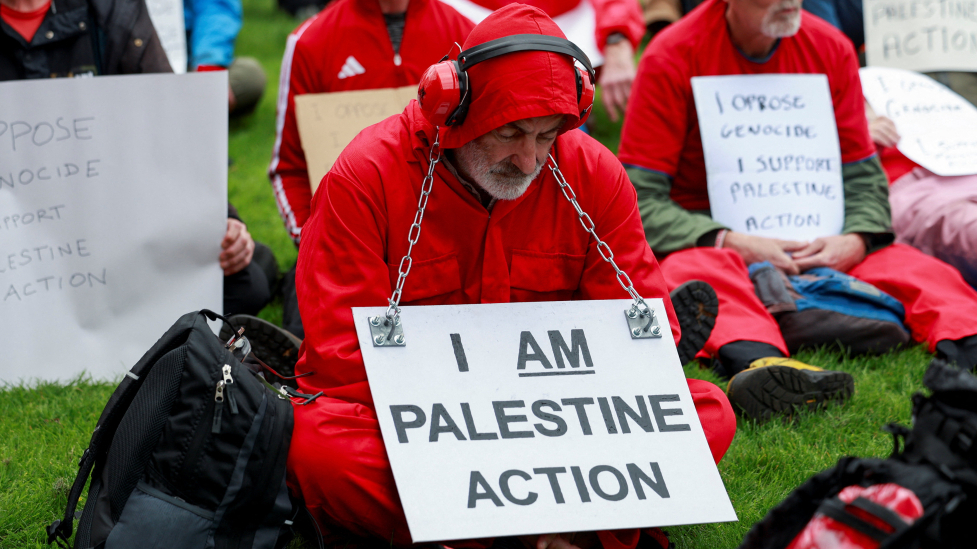
Of those arrested, 3,630, or approximately 94 per cent, were linked to support for Palestine Action. Many were detained for displaying signs supporting the group during public demonstrations.
Critics argue that the figures demonstrate how counter-terrorism legislation is increasingly being used against peaceful protesters.
The government maintains that enforcement targets support for a banned organisation rather than lawful protest.
Rooney’s stand
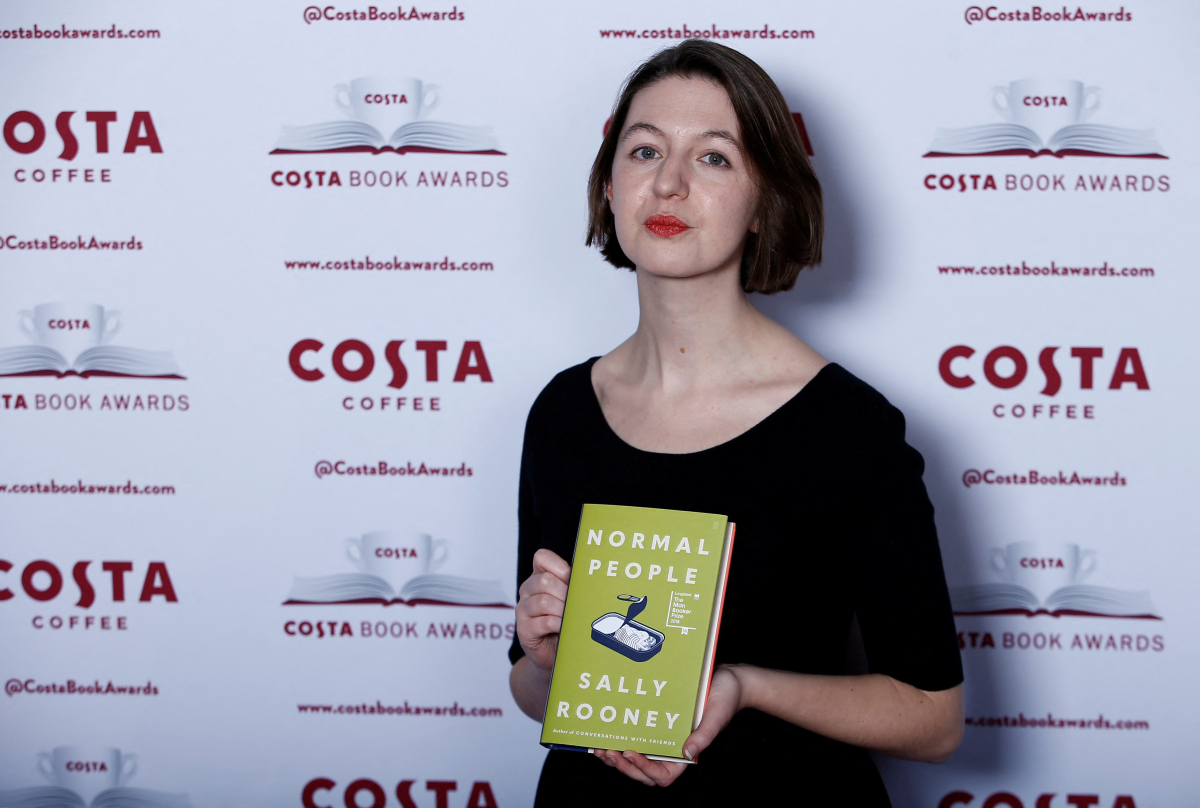
Rooney, the bestselling Irish author of Normal People and Conversations with Friends, has emerged as a leading critic of the ban.
Following the proscription, she pledged to donate proceeds from her books and their BBC television adaptations to Palestine Action, which remains legal in the Republic of Ireland.
According to ITV News, her publisher, Faber, decided last week to stop supplying her books in the UK over concerns about potential legal consequences.
Rooney backed the move, warning that fulfilling her British publishing contracts could expose her to serious criminal liability.
She had previously cancelled a trip to London in September 2025 to receive an award, citing fears of arrest.
The Supreme Court's role
The legal battle over the ban has reached the UK's Supreme Court, following a challenge by Palestine Action co-founder Huda Ammori.
In June, the Court of Appeal in London upheld the proscription, ruling it lawful. However, the Supreme Court agreed in July to hear a further appeal.
The Home Office maintains that the Court of Appeal found evidence that Palestine Action had committed acts of terrorism and promoted violence.
Political pressure
The ban remains deeply divisive, with civil liberties groups warning that thousands of people have been drawn into the criminal justice system for acts of expression.
Green Party leader Zack Polanski has urged the government to reverse the decision, while supporters argue that attacks on military installations and defence facilities must be treated as serious security threats.
Despite growing pressure, Burnham has ruled out reconsidering the ban while legal proceedings continue.
The Supreme Court's eventual ruling could prove decisive, potentially shaping both Palestine Action's legal status in Britain and the outcome of thousands of related prosecutions.
Read more:











What is your opinion on this topic?
Leave the first comment