OCHA says Afghanistan will remain among world’s largest humanitarian crises in 2026
Afghanistan is expected to remain one of the world’s largest humanitarian crises in 2026, with nearly half of the population projected to require hu...
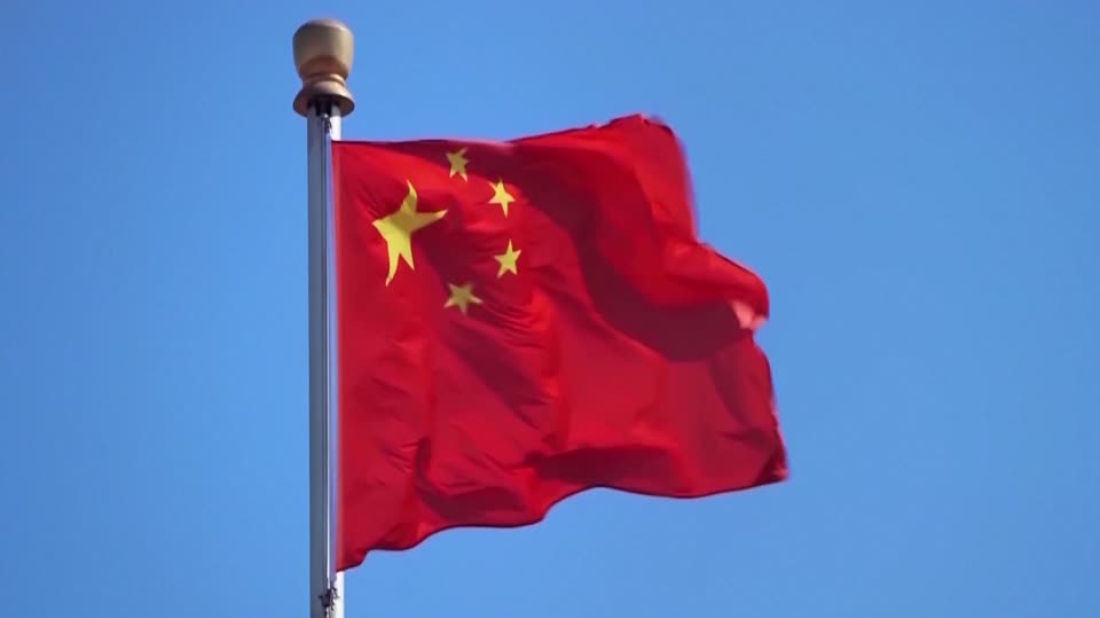
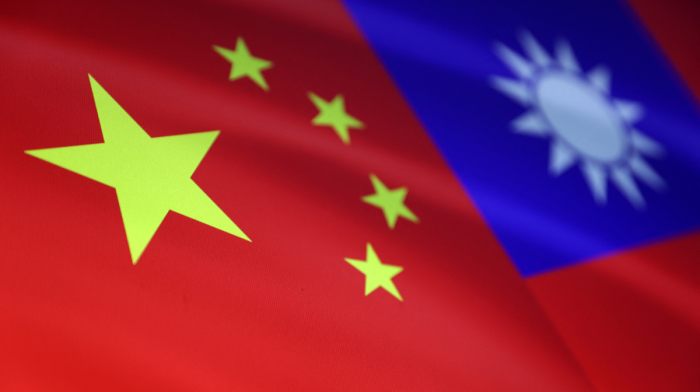
China retaliated against U.S. tariffs by imposing its own levies on American imports and launching an antitrust probe into Google, escalating trade tensions between the two nations.
China has swiftly countered U.S. tariffs with its own measures, reigniting trade tensions between the world’s two largest economies. The Finance Ministry announced a 15% tariff on coal and liquefied natural gas, along with a 10% levy on crude oil, agricultural machinery, and large-engine cars. These tariffs are set to take effect next Monday.
In a separate move, China’s State Administration for Market Regulation launched an antitrust investigation into Google over alleged competition law violations.
Additionally, China tightened export controls on key minerals critical to U.S. industries and national security, building on previous restrictions imposed on gallium in December. Beijing also blacklisted two U.S. companies and a biotechnology firm, barring them from trade and investment activities within the country.
As tensions rise, U.S. President Trump warned of further tariff hikes unless Beijing took action to curb the flow of fentanyl into the U.S. Meanwhile, the 10% tariff on all Chinese imports took effect early Tuesday.
Beijing condemned the new U.S. tariffs, labeling them a violation of WTO rules and a threat to economic relations.

Protests in Iran over soaring prices and a plunging rial have spread to universities in Tehran, as students join shopkeepers and bazaar merchants in demanding government action. With inflation above 42% and the rial at record lows, unrest continues to grow across the country.
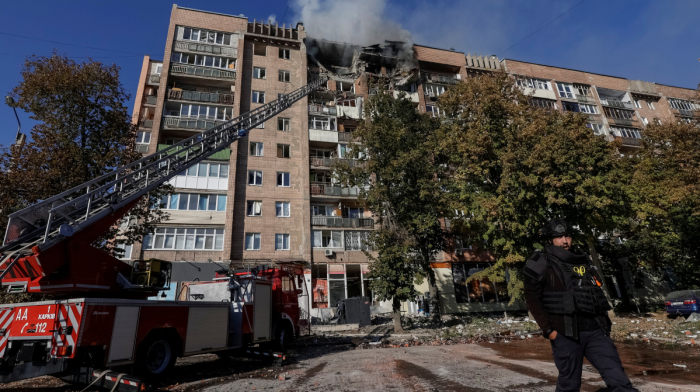
As Russia’s war in Ukraine enters its fourth year, rising casualties, economic struggles, and mounting unrest expose cracks in society. Despite Kremlin propaganda, frustration is growing as more Russians question the government’s narrative, according to The Washington Post.
The Russian radio station known as 'Doomsday Radio' (or UVB-76) unexpectedly began playing ‘Swan Lake’, music from a ballet composition. The last time this was done was during the deaths of Soviet-era leaders and the 1991 coup.
The head of Yemen’s Presidential Council, Rashad al-Alimi, has ordered all forces linked to the United Arab Emirates to leave Yemen within 24 hours.
Syria’s permanent representative to the United Nations, Ibrahim Olabi, said Israel has occupied the Syrian Golan Heights for almost sixty years, and that the UN General Assembly this month once again reaffirmed Syria’s sovereignty over the region.
Afghanistan is expected to remain one of the world’s largest humanitarian crises in 2026, with nearly half of the population projected to require humanitarian assistance, according to a new report published by the United Nations Office for the Coordination of Humanitarian Affairs (OCHA).
The Russian radio station known as 'Doomsday Radio' (or UVB-76) unexpectedly began playing ‘Swan Lake’, music from a ballet composition. The last time this was done was during the deaths of Soviet-era leaders and the 1991 coup.
Türkiye will never tolerate coercion, piracy, or banditry in its maritime “blue homeland,” President Recep Tayyip Erdoğan said on Wednesday.
As Russia’s war in Ukraine enters its fourth year, rising casualties, economic struggles, and mounting unrest expose cracks in society. Despite Kremlin propaganda, frustration is growing as more Russians question the government’s narrative, according to The Washington Post.
Start your day informed with AnewZ Morning Brief: here are the top news stories for the 31st of December, covering the latest developments you need to know.
You can download the AnewZ application from Play Store and the App Store.
What is your opinion on this topic?
Leave the first comment