German authorities are investigating two separate incidents involving critical infrastructure after an explosion at a railway station in Augsburg injured two people and a suspected sabotage attack targeted an electricity substation near Bergheim.
An unknown object exploded at a railway station in the southern German city of Augsburg on Wednesday, leaving two people with minor injuries, police said.
Bavarian state police said the explosion occurred in a passageway inside a station building. Authorities have not yet provided details about the object involved or the possible motive behind the incident.
Augsburg is an important regional transport hub located around 55 kilometres northwest of Munich.
Substation targeted near Bergheim
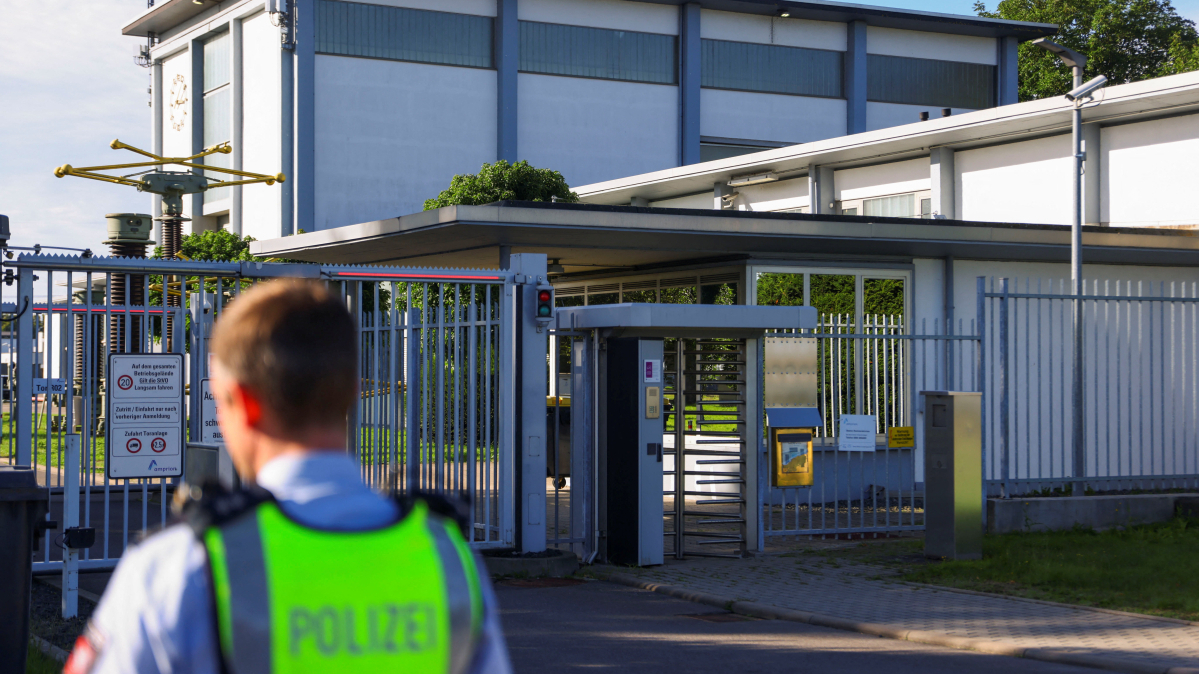
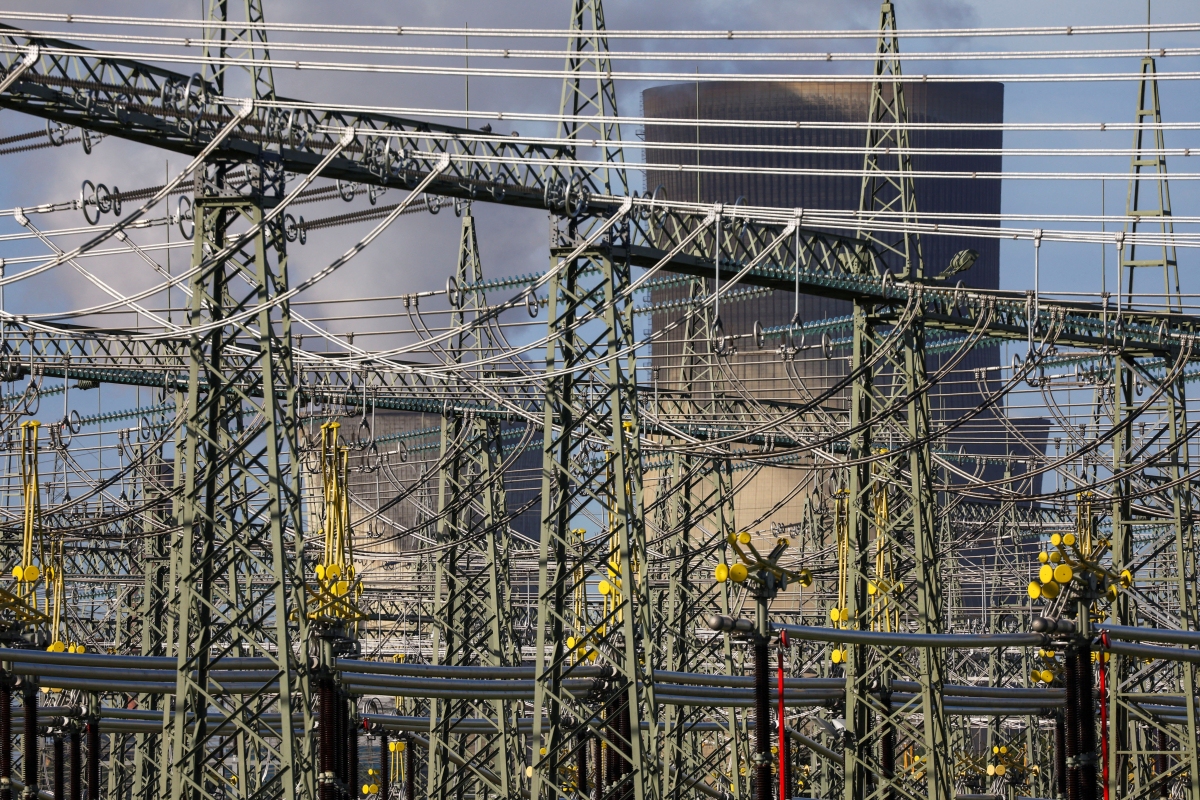
In a separate incident, German police said they were investigating a suspected deliberate attack on an electricity substation near the western city of Bergheim that happened on 1 September afternoon.
A police spokesperson said the incident involved premeditated damage to technical infrastructure at around 4 p.m. on Tuesday. Despite the damage, electricity supplies in the region were not disrupted.
Police did not provide further details about the extent of the damage.
Grid operator Amprion said external interference was likely responsible for the incident but stressed that electricity supplies and grid stability were maintained throughout.
Power plants temporarily taken offline
German energy company RWE said the incident led it to temporarily disconnect lignite-fired power plant units with a combined capacity of 4,200 megawatts.
The affected units at the Neurath and Niederaussem power stations are expected to reconnect to the grid over the coming days.
RWE said it remained in close contact with the authorities and Amprion.
Separate incident in Brandenburg
The Bergheim case came on the same day that devices containing conductive material damaged power lines in the eastern state of Brandenburg.
German authorities have been on heightened alert over potential attacks on critical infrastructure following several previous incidents involving energy, transport and communications networks.
Germany has previously experienced attacks on electricity infrastructure, including incidents attributed to suspected left-wing militants.
The investigations into the Augsburg explosion and the suspected attacks on Germany's electricity network are continuing.
Security concerns remain high
The latest incidents come amid broader security concerns in Germany.
Berlin on Wednesday summoned the Russian ambassador following an attempted drone attack on a Ukrainian cargo aircraft at Leipzig/Halle Airport last month and announced a series of measures in response.
The Sueddeutsche Zeitung newspaper reported that German authorities have identified two suspects in connection with the attempted drone attack, but will unlikely be able to detain them.
The newspaper, along with German broadcasters NDR and WDR, said that investigations into the two men, one Russian-born Latvian national and one Russian national from Belarus, underpinned allegations by the German government that Russia was behind the incident.
German Foreign Minister Johann Wadephul said on Wednesday that the European Union will work on imposing further sanctions on Russian individuals in the coming weeks.
France says it is also summoning an official from the Russian embassy in Paris over an attempted drone attack, according to Foreign Minister Jean-Noel Barrot who spoke about the incident during a meeting of EU foreign ministers in Ireland on Wednesday.
Russia has denied responsibility of the allegations, calling them "absurd and baseless," with the Foreign Ministry on Wednesday summoning Germany's charge d'affaires in Moscow to reject what it called Germany's "entirely fabricated" accusations.
Read more:
















What is your opinion on this topic?
Leave the first comment