Mexico and South Africa meet in Thursday’s World Cup opener in Mexico City, with both teams approaching the match from very different positions but facing their own pressures.
For Mexico, the expectations of a home crowd and a strong recent record have made them favourites. For South Africa, returning to the global stage after missing three tournaments, the challenge is to prove they belong at this level.
More than 80,000 fans are expected at the Estadio Azteca, setting the stage for one of the most anticipated opening matches in recent World Cups.
Aguirre draws on experience
Mexico manager Javier Aguirre knows the significance of the occasion. He played in Mexico’s opening match when the country hosted the tournament in 1986 and has used that experience to prepare his squad.
“There’s nothing like playing in your home country,” Javier Aguirre said. “There are a lot of people here who were not born yet the last time we had a World Cup here.”
He has focused on building unity within the squad, encouraging players to embrace the moment together.
“I think the message has trickled down, and I have convinced them, and they have used the word family organically,” he said.
Mexico’s form and expectations
Mexico come into the tournament in strong form, unbeaten throughout 2026 and boosted by impressive preparation results, including a 5-1 victory over Serbia.
They also arrive as regional champions, having won both the CONCACAF Nations League and the Gold Cup in 2025, defeating Panama and the U.S. in the finals.
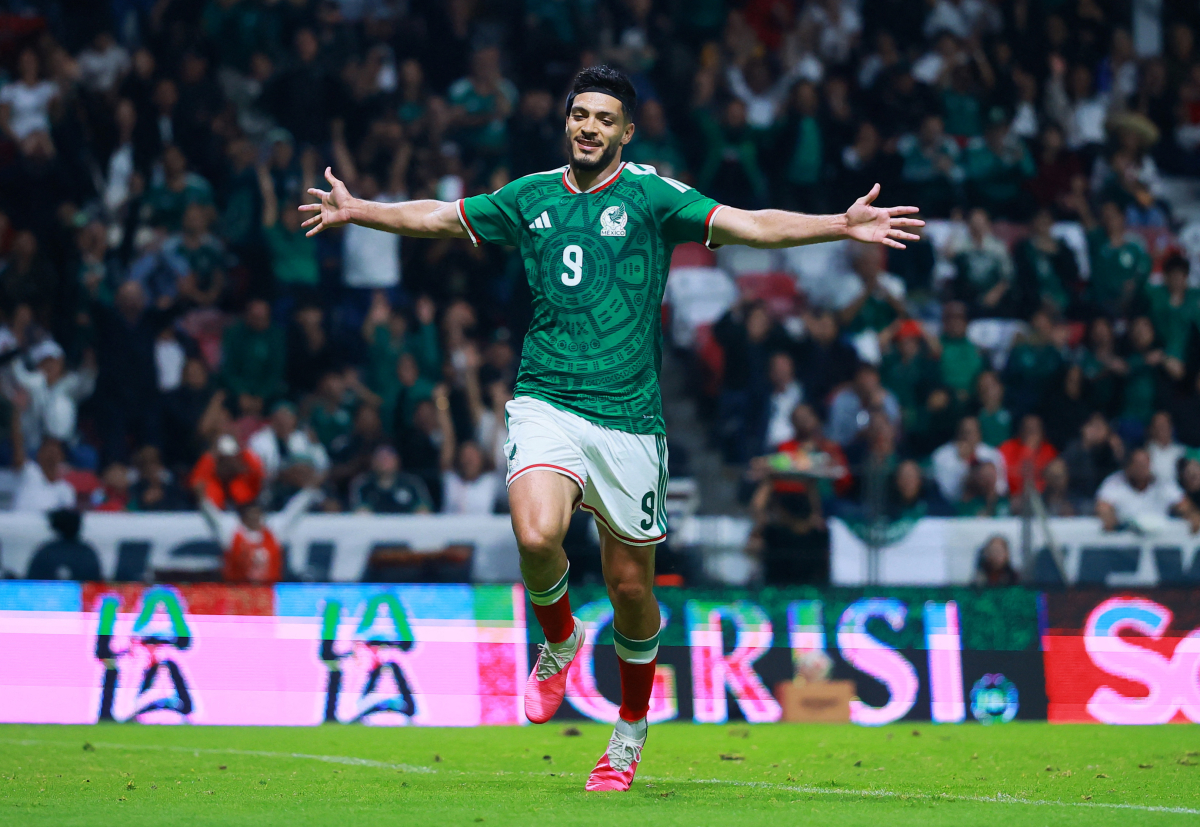
Striker Raúl Jiménez has been central to that success after recovering from a serious head injury that once threatened his career.
Several key players have also returned to fitness, strengthening Javier Aguirre’s options, although injuries to Luis Ángel Malagón and Marcel Ruiz have created some selection headaches.
Despite the optimism, Aguirre has warned against complacency and described South Africa as a difficult and unpredictable opponent.
South Africa embraces the underdog role
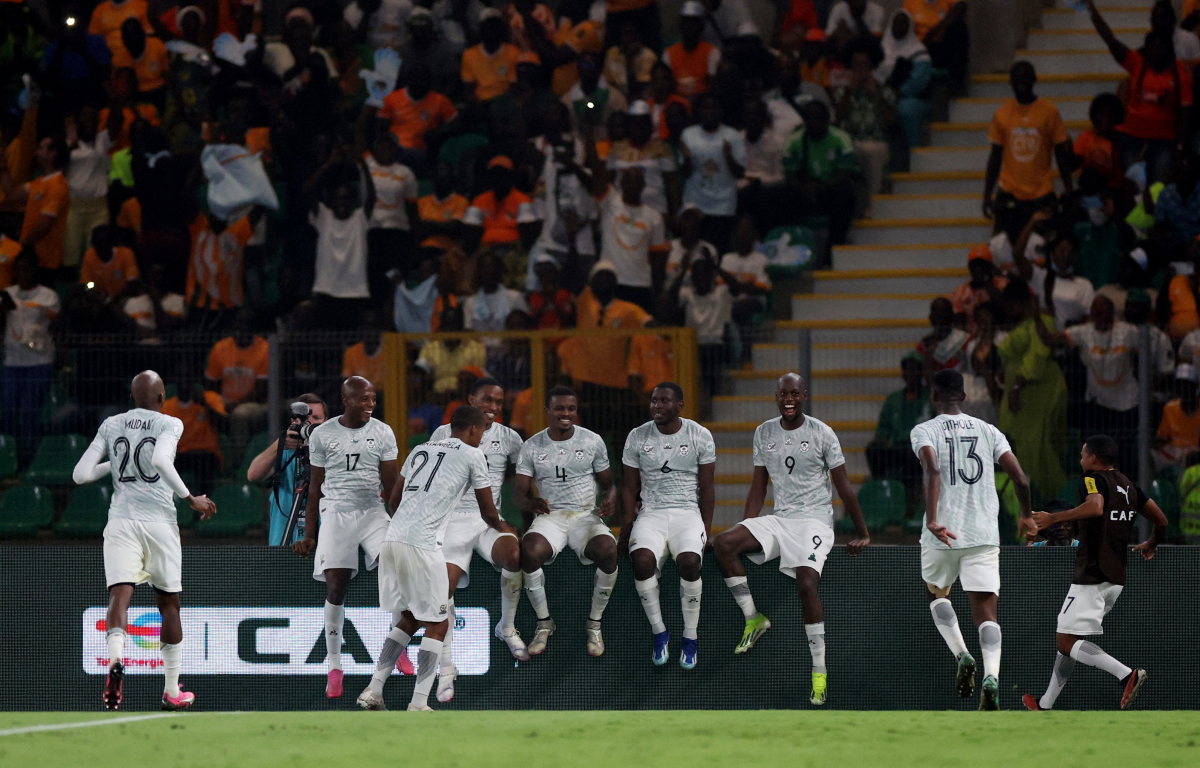
South Africa, ranked 60th in the world, arrives as clear underdogs but with a sense of opportunity rather than pressure.
“We don’t have pressure,” midfielder Teboho Mokoena said. “The pressure is on Mexico, the host.”
Head coach Hugo Broos echoed that view, while acknowledging the scale of the challenge.
“It’s not an easy group for us,” Hugo Broos said. “First of all, we will face the hosts in the opening game, at the Azteca Stadium and it will be very difficult for us there.”
South Africa qualified impressively by finishing ahead of Nigeria, signalling progress under Broos and raising hopes that their return to the World Cup can mark the start of a new era.
Tactical contrast
Both teams are expected to line up in similar formations but with contrasting approaches.
Mexico are likely to press high and dominate possession, using a flexible system built around width and attacking movement.
South Africa, by contrast, is expected to adopt a more cautious approach, focusing on defensive organisation and quick counterattacks.
Teboho Mokoena will be central to their strategy, providing both creativity and a goal threat from midfield.
Echoes of a memorable past
The fixture also carries historical significance. The two sides met in the opening match of the 2010 World Cup in Johannesburg, which ended in a 1-1 draw.
That game remains one of the most memorable openers, symbolising South Africa’s role as the first African host and the atmosphere that defined the tournament.
This time, the setting has changed, with Mexico hosting alongside the U.S. and Canada, but the sense of occasion remains similar.
More than just an opening match
While Mexico will aim to justify their status as a favourite with a strong start, South Africa sees the match as an opportunity to challenge expectations and make an early statement.
For the hosts, it is a chance to turn optimism into results. For the visitors, it is an opportunity to show that their progress is not a coincidence.
Opening matches do not decide tournaments, but they often shape them. For both Mexico and South Africa, Thursday’s game represents not just the start of a campaign, but a test of belief, preparation and ambition.
The result could also prove significant in a group that includes South Korea and the Czech Republic, who meet later on Thursday. With qualification at stake, even the opening result may play a decisive role in shaping the race for the knockout stages.














What is your opinion on this topic?
Leave the first comment