NATO Secretary‑General Mark Rutte’s two-day visit to Türkiye ahead of the July NATO summit in the capital city underscores Ankara’s growing strategic importance at a time of heightened geopolitical uncertainty.
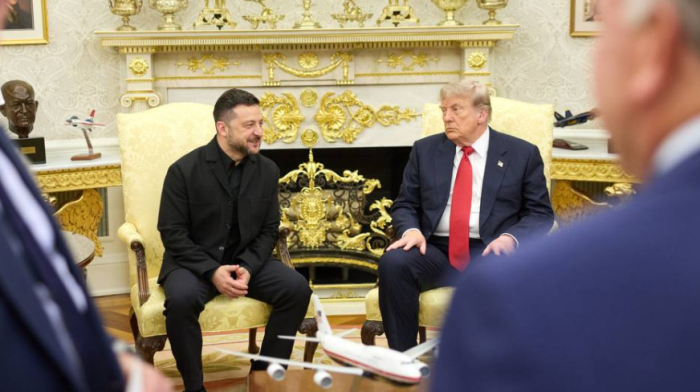
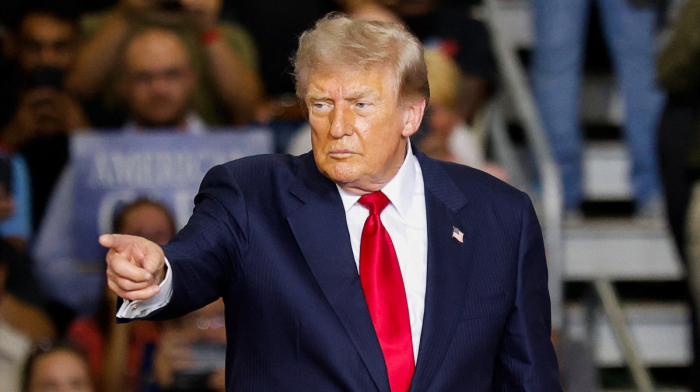
Speaking to ANewZ, Zaur Gasimov, an Associate Professor at Turkish‑German University in Istanbul, said the visit comes at a critical moment for the alliance, particularly amid debates over NATO’s future following U.S. President Donald Trump’s renewed suggestions that Washington could reconsider its commitment to the bloc.
“This is a very important visit, both for Rutte and Türkiye, but also because Türkiye is hosting the meeting,” Gasimov said. He noted that the current security environment across Western Eurasia has elevated the importance of NATO’s engagement with Ankara, as European allies reassess their defence and diplomatic partnerships.
Türkiye’s military and geographic weight in NATO
While Türkiye’s geographic position, bordering the Middle East, the Black Sea, and the Caucasus, remains central to NATO’s security planning, Gassimov stressed that Ankara’s military capabilities are equally significant.
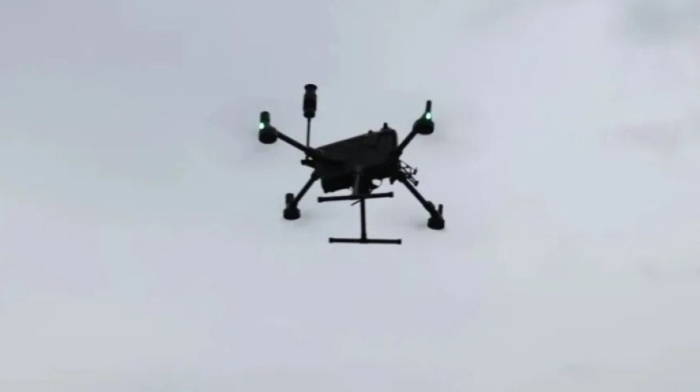
“Türkiye has the second‑largest army in NATO and one of the most combat‑ready forces in the alliance,” he told AnewZ, adding that the Turkish military’s operational experience and technological development, particularly in drone warfare, set it apart from many European counterparts.
According to Gasimov, Türkiye’s role extends beyond NATO’s southeastern flank, contributing high‑tech capabilities and practical military readiness at a time when many European armies are still rebuilding capacity.
Balancing NATO unity and strategic autonomy
Gasimov also addressed Türkiye’s independent foreign policy, including its dialogue with Russia and contested decisions such as the purchase of the Russian S‑400 air defence system. He argued that while such moves have drawn criticism within NATO, many alliance members increasingly recognise the value of maintaining channels with multiple global actors.
“Türkiye was well known for its very diversified diplomacy in the last decade, maintaining a dialogue with Moscow but at the same time being able to deepen its cooperation within NATO,” he said, pointing to Ankara’s efforts to mediate between Russia and Ukraine as evidence of its diplomatic leverage.
Missile defence and regional spillover risks
Recent reports that NATO missile defence systems intercepted Iranian projectiles have reinforced the alliance’s focus on collective defence, Gasimov said. He described the interceptions as an example of NATO’s ability to respond quickly and coordinate effectively in crises.
However, he warned that even successful interceptions highlight the risk of regional conflicts spilling into NATO territory, underlining the need for continued investment in missile defence and closer cooperation among allies.
July summit agenda and burden‑sharing concerns
Looking ahead to the July NATO summit in Ankara, Gasimov said the war in Ukraine will remain a core issue but could be rivalled by instability in the Middle East, particularly tensions involving Iran and Israel.
He added that discussions on burden‑sharing and European defence capabilities are likely to intensify, especially given renewed debate over the future U.S. role in NATO. In this context, Türkiye’s defence industry and growing military technology sector have become increasingly attractive to European partners.
“Certain dynamics within the region of the Middle East, and also in Eastern Europe, make the position of Turkiye and the role of Turkiye of a very significant dimension”, Gasimov said.








What is your opinion on this topic?
Leave the first comment