NATO Secretary-General Mark Rutte, during his first visit to Kyiv, emphasized that Ukraine's security is crucial to NATO's, reaffirming NATO's support for Ukraine's future membership while President Zelensky urged Western allies for increased military assistance against Russia.
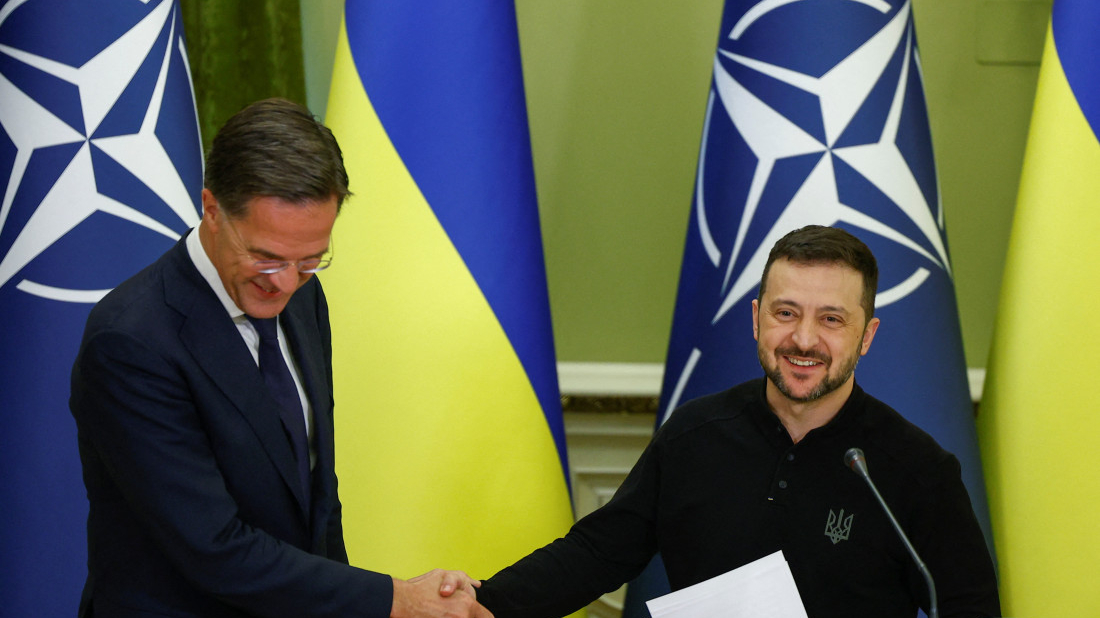
During his first visit to Kyiv as NATO chief, Mark Rutte told Ukrainian President Volodymyr Zelensky, "your security matters for ours." He reaffirmed NATO's pledge that Ukraine would one day join the alliance, while Zelensky urged Western allies for urgent military support similar to that provided to Israel.
Rutte, in a joint news conference, emphasized NATO's strong backing for Kyiv, noting that his first foreign visit as NATO chief underscored this support. He added that "Ukraine is closer to NATO than ever before, and it will continue along this path until it secures NATO membership."
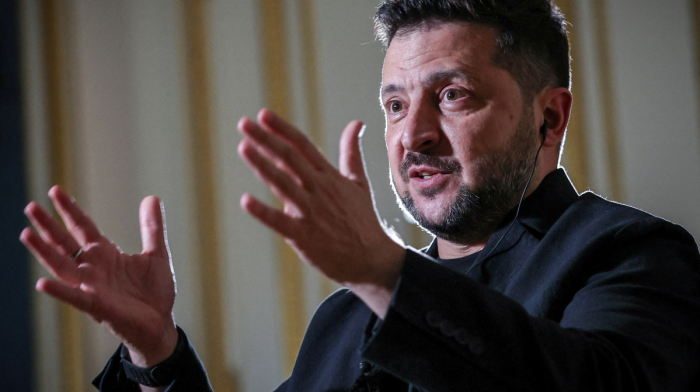
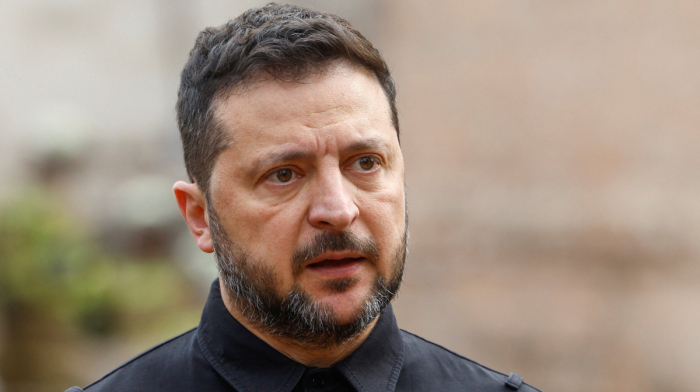
Zelensky expressed his desire for Kyiv's allies to intercept Russian missiles and drones attacking Ukraine, similar to how Israel's allies responded to Tehran's missile attacks. "We are working with them, at present they are not ready to do this," he said.
He also renewed his plea for Western allies to permit Ukraine to launch deep strikes inside Russia using supplied weapons, criticizing the delay in decision-making. "Without long-range weapons, we cannot stop Russia, which is using those weapons against us, destroying everything," he stated. Allies, cautious of Russia’s reaction, have hesitated on this move.
Zelensky also addressed Ukraine's recent withdrawal from Vuhledar amid ongoing Russian advances in eastern Ukraine.
Zelensky emphasized the need to protect soldiers' lives, saying, "Lives (of soldiers) need to be saved because they are our people, they are citizens of Ukraine."
Putin launched the full-scale invasion in February 2022, citing Kyiv's NATO ambitions, which Moscow sees as a threat. In Kyiv, Rutte reaffirmed that Moscow cannot dictate which countries join NATO.
NATO officials expect Rutte to continue supporting Ukraine, pushing for increased defense spending, and keeping the U.S. involved in European security. As Dutch prime minister, Rutte approved sending F-16 fighter jets to Ukraine. Now, he faces challenges, including a potential Trump return and demands for more reinforcements from eastern Europe.














What is your opinion on this topic?
Leave the first comment