Russia says it struck cargo vessels, steel plants across Ukraine
Russia's Defence Ministry said its forces struck two cargo vessels overnight in the Ukrainian Black Sea port o...
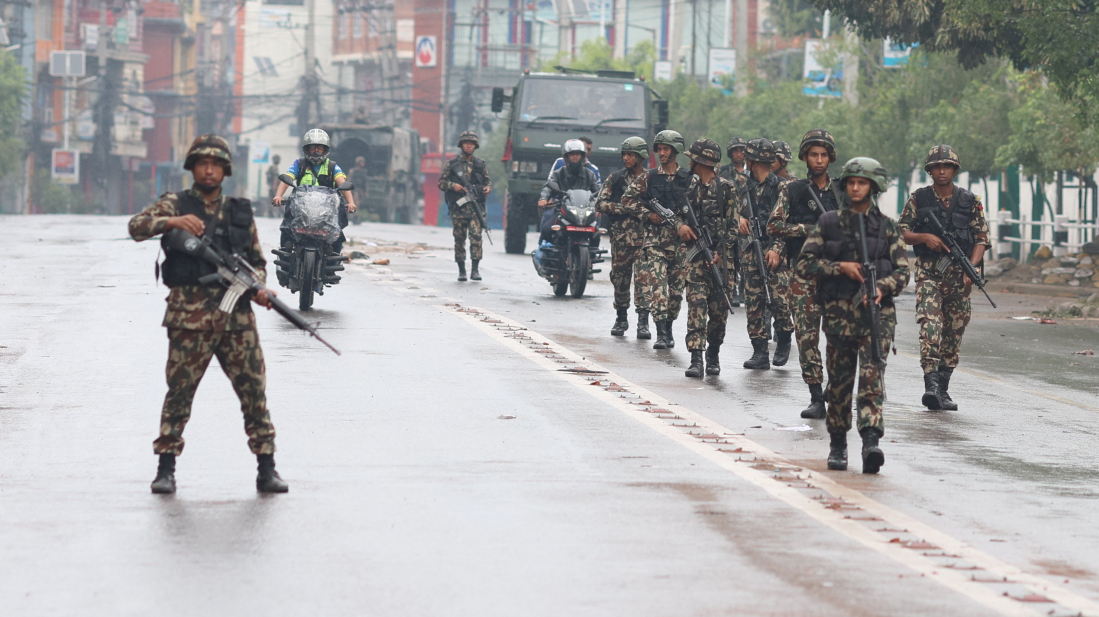
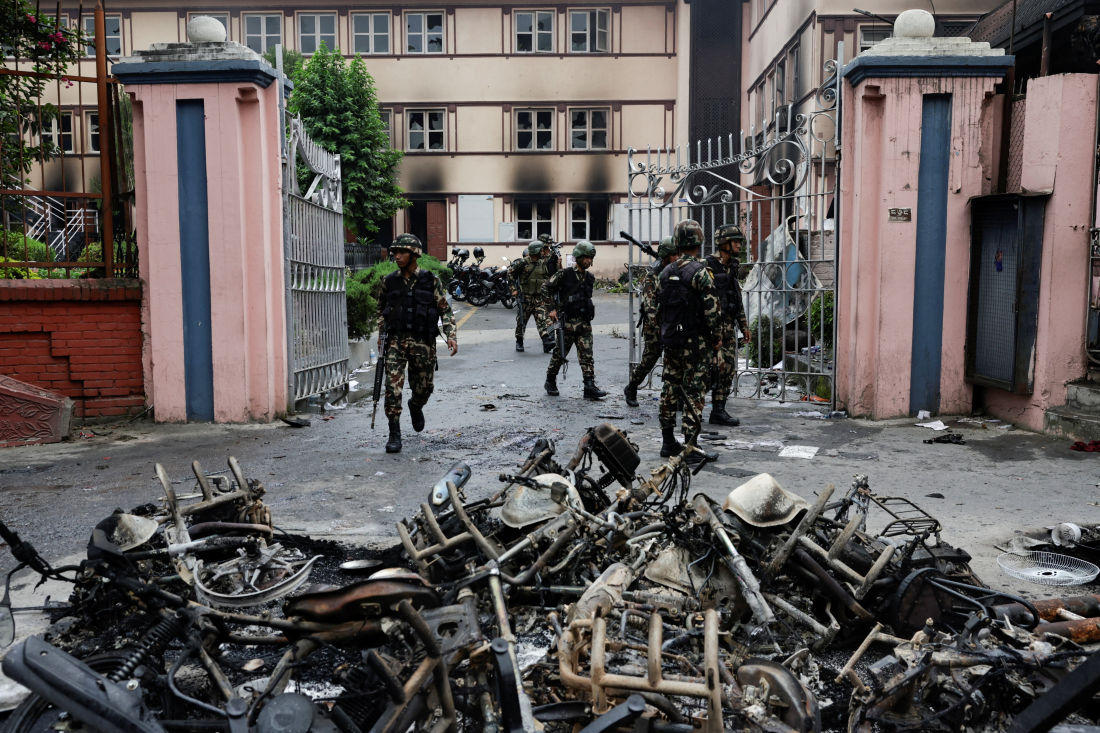
Soldiers patrolled the streets of Kathmandu on Wednesday, amid indefinite curfew in Nepal's capital following two days of deadly anti-graft protests that prompted Prime Minister K.P. Sharma Oli to resign.
The worst upheaval in decades in the poor Himalayan nation was sparked by a social media ban unveiled last week but rolled back after 19 people died on Monday as police fired tear gas and rubber bullets to control crowds. At least a 100 people were injured.
"We are trying to normalise the situation first," army spokesman Raja Ram Basnet said on Wednesday. "We are committed to protect the life and property of people."
No protests were reported in the capital, but media said about 25 people trying to "create trouble" on the outskirts of Kathmandu had been taken into custody. Reuters could not immediately verify the reports.
Several government buildings, from the supreme court and parliament to ministers' homes, including Oli's private residence, were set ablaze in Tuesday's protests, with the unrest subsiding only after the resignation.
"There are no protesters here," Ram Kumar Shrestha, a resident of Maharajgunj in the capital, told Reuters. "Only a few people are walking in the street. It is peaceful here."
Media said preparations were being made for authorities and protesters to hold talks, but did not specify details. Reuters could not independently confirm the information.
Most of the protesters were young people who voiced frustration with what they called the failure of the government to tackle corruption and boost economic opportunities.
For years a lack of jobs has driven millions to seek work in countries such as Malaysia, the Middle East and South Korea, mainly on construction sites, so as to send money home.
Wedged between India and China, Nepal has struggled with political and economic instability since protests led to the abolition of its monarchy in 2008.
India's security cabinet also met late on Tuesday to discuss the situation in its neighbour.
"Nepal's stability, peace, and prosperity are of utmost importance," Prime Minister Narendra Modi said in a post on X later. "I humbly appeal to all my brothers and sisters in Nepal to maintain peace and order."

Overnight Iranian strikes on an air base in Jordan damaged multiple U.S. aircraft and left one without a wing, American media reported. Meanwhile, explosions were heard across parts of southern Iran according to local media reports.
Iranian President Masoud Pezeshkian arrived in New Delhi on Friday to attend the weekend BRICS summit, amid the ongoing U.S.-Iran conflict, joining a host of foreign dignitaries.
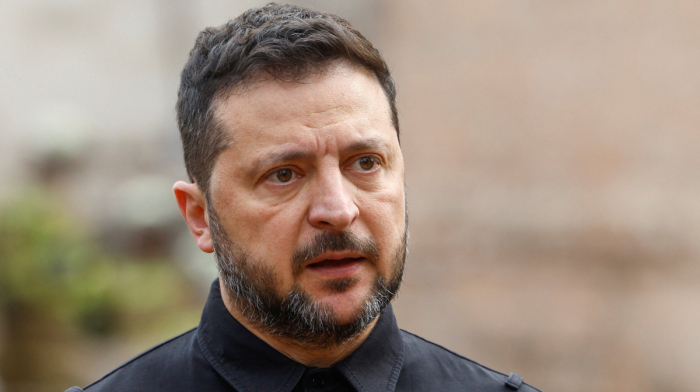
Ukrainian forces struck a Russian oil refinery in Siberia and a seaport in Dagestan in the past 24 hours, President Volodymyr Zelenskyy said. He will meet Canadian Prime Minister Mark Carney on Thursday to discuss air defences for Ukraine over winter.
A Russian strike on a gas station in Kyiv has killed two people, the city's Mayor Vitali Klitschko said in a statement on Telegram. In Russia, online marketplace Ozon has suspended operations in Saratov, southwestern Russia, following a drone strike on a warehouse in the region.
Twenty-five years after the September 11 attacks drew the U.S. into Afghanistan, the Taliban is seeking a new relationship with Washington built on diplomacy, investment and trade, despite deep divisions between the former enemies.
Russia's Defence Ministry said its forces struck two cargo vessels overnight in the Ukrainian Black Sea port of Chornomorsk, the Interfax news agency reported on Saturday.
Dubai’s property market has spent years climbing. Now, for the first time since 2021, prices are moving in the opposite direction.
Saudi Arabia has temporarily shut down its 1,200-kilometre East-West oil pipeline after it was hit by a drone attack, with Riyadh and Baghdad saying the strike originated from Iraq.
Colombian President Abelardo De La Espriella has formally ended all government peace negotiations with illegal armed groups, marking a dramatic shift in the country's security strategy and delivering on a central pledge from his election campaign.
Russian President Vladimir Putin used a series of high-level meetings ahead of the BRICS summit in New Delhi to reinforce Moscow's political and economic partnerships with countries across Africa and Asia. He also received backing from Indian Prime Minister Narendra Modi for bilateral cooperation.
You can download the AnewZ application from Play Store and the App Store.
What is your opinion on this topic?
Leave the first comment