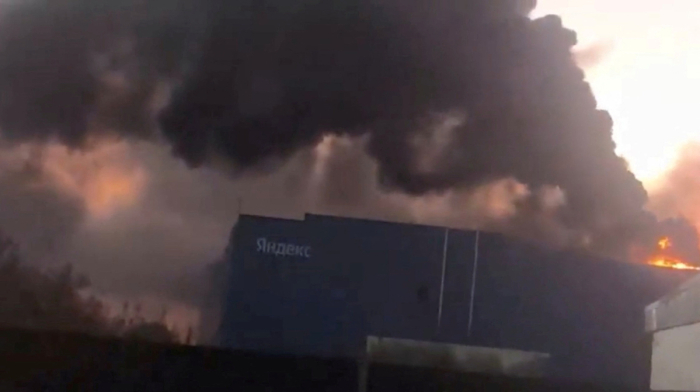
Central Asian forecasters dismiss Iran 'acid cloud' rumours
Reports of so-called “acid clouds” moving from Iran towards Central Asia are not supported by scientif...
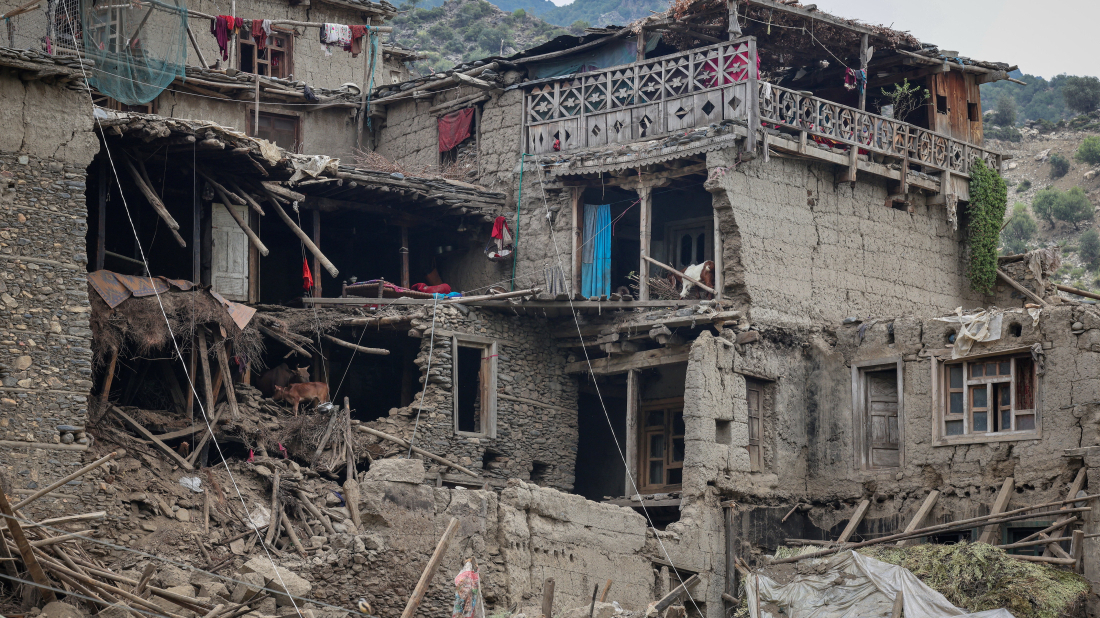
Afghanistan airdropped commandos on Wednesday to pull survivors from the rubble of homes in mountainous eastern areas ravaged by earthquakes this week that have killed more than 1,400, as it ramped up efforts to deliver food, shelter and medical supplies.
A 5.5-magnitude earthquake shook southeastern Afghanistan on Tuesday, raising fears of further destruction almost two days after a major 6.0-magnitude quake killed more than 1,400 people and injured thousands.
The quake struck at a shallow depth of 10 km (6 miles), similar to the earlier disaster that flattened homes in remote villages.
The aftershock caused panic and disrupted rescue operations, sending rocks sliding down mountains and cutting off roads, making it dangerous to dig through rubble, said Safiullah Noorzai, who works with Aseel, a humanitarian tech platform.
He added that more people had likely been injured, potentially raising the death toll further.
Aid organisations are urging international support. Samira Sayed Rahman, Programmes and Advocacy Director at Save the Children, said, "This is now a race against time to save lives – to get injured people out of remote villages cut off by massive rock falls and to get clean water, food, and shelter in."
UNICEF highlighted that thousands of children are at risk, sending medicines, warm clothing, tents, and hygiene items to affected areas.
The World Health Organization noted, "Damaged roads, ongoing aftershocks, and remote locations of many villages severely impede the delivery of aid," adding that more than 12,000 people have been affected.
Taliban soldiers have been deployed to provide help and security, while aid deliveries from Britain, India, and other nations are slowly reaching the region.

Mojtaba Khamenei, son of the late Ayatollah Ali Khamenei, is a hardline cleric with strong backing from the Islamic Revolutionary Guard Corps. His rise signals continuity in Tehran's anti-Western policies.
Global oil prices surpassed $119 a barrel on Monday (9 March, 2026), an almost four year high, as the Middle East conflict rumbled on.
China has urged Afghanistan and Pakistan to resolve their dispute through dialogue after Chinese envoy Yue Xiaoyong met Afghan Foreign Minister Amir Khan Muttaqi, as fighting between the two neighbours entered its eleventh day.
Welcome to our live coverage as the conflict involving Iran enters its 11th day. Tensions in the region remain high as the United States and Iran exchange increasingly sharp warnings over the strategic Strait of Hormuz, a critical artery for global oil supplies.
Entry and exit across the state border between Azerbaijan and Iran for all types of cargo vehicles, including those in transit, will resume on 9 March, according to a statement by the Cabinet of Ministers of Azerbaijan.
U.S. Ambassador to the United Nations, Mike Waltz, has addressed the U.N. Security Council, saying the world must consider how effective its engagement with the Taliban-run country is as millions face hunger.
British MPs have rejected a proposal to introduce an Australia-style ban on social media for under-16s, opting instead to give ministers flexible powers to impose restrictions on platforms.
Australia has granted humanitarian visas to five Iranian women footballers who sought asylum, fearing persecution after refusing to sing their national anthem at an Asia Cup match.
Start your day informed with AnewZ Morning Brief. Here are the top news stories for the 10th of March, covering the latest developments you need to know.
U.S. President Donald Trump called his recent phone conversation with Russian President Vladimir Putin “very good.” The two leaders spoke on Monday about the situation in Iran and other international issues.
You can download the AnewZ application from Play Store and the App Store.
What is your opinion on this topic?
Leave the first comment