AnewZ Morning Brief - 4 February, 2026
Start your day informed with AnewZ Morning Brief: here are the top news stories for the 4rd of February, covering the latest developments you need to ...
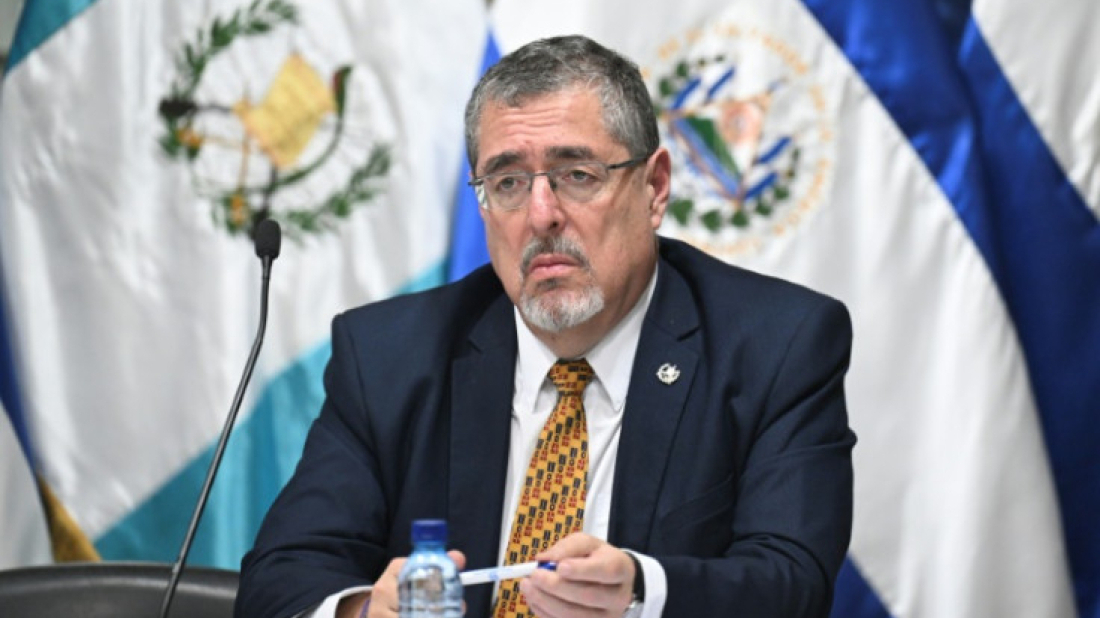
Guatemalan President Bernardo Arevalo has said his country is prepared to receive around 150 unaccompanied minors per week deported from the U.S. The announcement came a day after a U.S. federal judge blocked the deportation of 10 Guatemalan children.
The U.S. administration stated in a court filing that the 10 children, whose deportation had been halted following an emergency pre-dawn appeal, have since been returned to shelters managed by the Office of Refugee Resettlement.
Speaking in Guatemala City, Arevalo told journalists that his government has been coordinating with U.S. authorities to receive the unaccompanied minors.
“But the decision to send them, their number, and the pace of deportations rests with the U.S. government, and as you can see, there is currently a legal dispute,” he said.
Lawyers representing the children, aged 10 to 17, argued in court that the deportations would violate protections provided by Congress for vulnerable children. They also warned that the children could face danger and abuse if returned to Guatemala.
District Judge Sparkle Sooknanan’s order halting the deportations is in effect for 14 days while the case is pending and covers potentially hundreds of unaccompanied Guatemalan minors in U.S. custody after crossing the southern border.
President Donald Trump, a Republican, returned to the White House in January partly on a promise to deport more migrants than his predecessors. Courts have found that some of his accelerated deportation measures violate constitutional rights to due process.
The children crossed into the U.S. without parents or guardians, often to join relatives already in the country, and are entitled by law to heightened protections while their asylum and other immigration claims are processed.

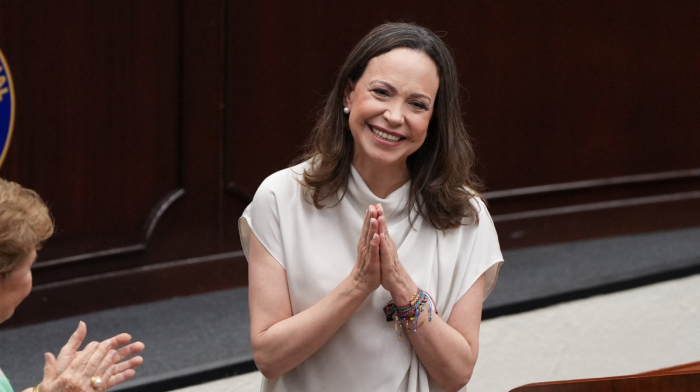
Talks with the U.S. should be pursued to secure national interests as long as "threats and unreasonable expectations" are avoided, President Masoud Pezeshkian posted on X on Tuesday (3 February).
Cuba’s Deputy Foreign Minister Carlos Fernández de Cossío has denied that Havana and Washington have entered formal negotiations, countering recent assertions by U.S. President Donald Trump, while saying the island is open to dialogue under certain conditions.
Mexico said it will stop sending oil to Cuba as U.S. President Donald Trump ramped up pressure on the Caribbean nation.
Iranian media outlets have backtracked on claims President Masoud Pezeshkian ordered a return to nuclear talks with the United States, fuelling fresh uncertainty over the state of diplomacy between the two rivals.
Web Summit Qatar 2026 opened in Doha on Sunday, drawing tens of thousands of founders, investors, policymakers and technology leaders to what organisers describe as one of the region’s largest digital economy gatherings.
Start your day informed with AnewZ Morning Brief: here are the top news stories for the 4rd of February, covering the latest developments you need to know.
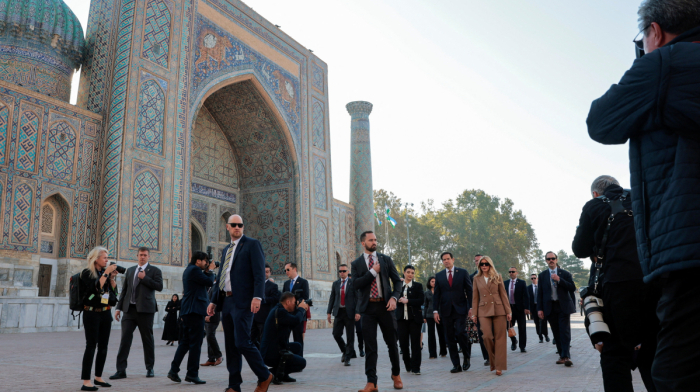
U.S. Secretary of State Marco Rubio met with Indian Foreign Minister Subrahmanyam Jaishankar on Tuesday (February 3) one day after the U.S. and India signed a trade deal.
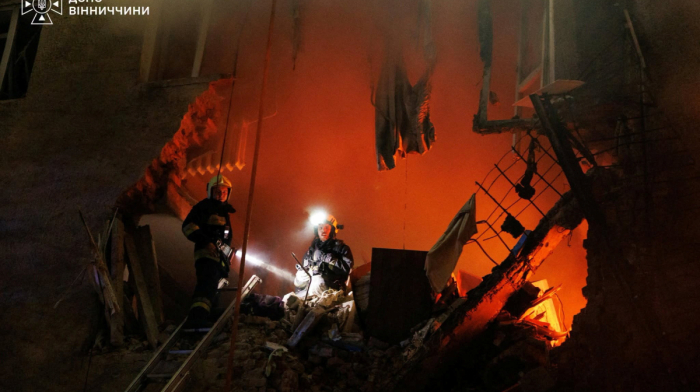
British Prime Minister Keir Starmer spoke to U.S. President Donald Trump on Tuesday and discussed the situation in Ukraine, including the overnight Russian attacks on the country, the UK government said.
U.S. President Donald Trump on Tuesday (3 February) signed a spending deal into law that ends a partial U.S. government shutdown and gives lawmakers time to negotiate potential limits on his immigration crackdown.
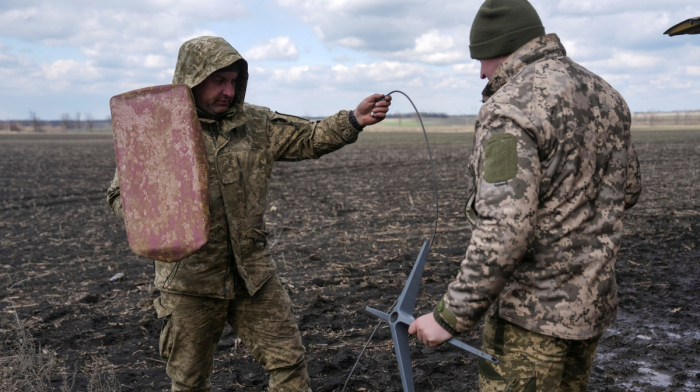
Ukrainian President Volodymyr Zelenskyy accused Russia on Tuesday (3 February) of exploiting a U.S.-backed energy ceasefire to stockpile weapons and launch large-scale drone and missile attacks on Ukraine ahead of peace talks.
You can download the AnewZ application from Play Store and the App Store.
What is your opinion on this topic?
Leave the first comment