Clashes erupt in central Tunisia after death following police chase
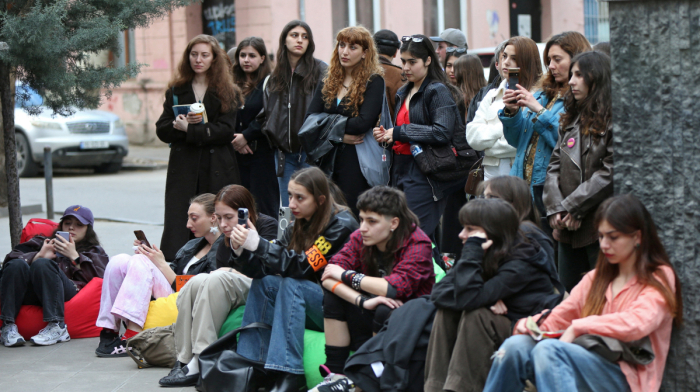
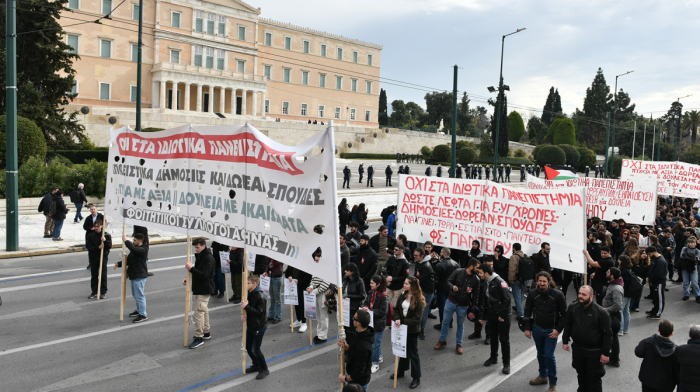
Street clashes broke out for a second night in the Tunisian city of Kairouan after a man died following a police pursuit, raising fears of wider unres...
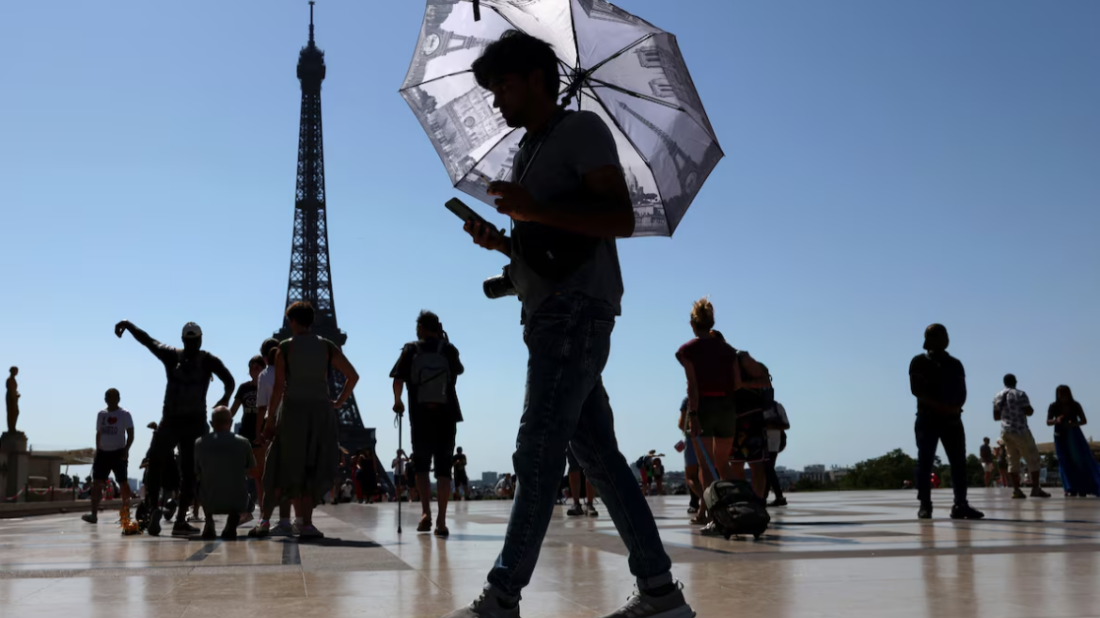
Rising heatwaves and tourist congestion are changing how Australians travel to Europe. More are now choosing spring and autumn over the traditional July–August peak to escape extreme temperatures and overtourism.
Europe has long been a dream summer destination for Australians, but growing climate concerns and overcrowding are pushing travellers to reconsider. July and August, once popular for sun-soaked holidays in places such as Rome or Barcelona, are now being bypassed for the cooler, calmer months of April, May, and September.
Intrepid Travel reports that over half of its Australian clients now prefer the shoulder seasons, citing milder weather, cheaper accommodation, and fewer crowds. This shift, accelerated by climate change, is also influencing the timing of business travel and conferences.
Cities such as Venice and Amsterdam, overwhelmed by mass tourism, are implementing new restrictions, encouraging travellers to explore lesser-known gems such as Krakow or Porto. Australians planning trips in 2025 are advised to book early for off-peak travel, consider eco-friendly options, and check for local tourism caps or booking rules.
This trend is part of a broader move toward sustainable tourism, as Australians seek more meaningful, climate-conscious travel experiences. The traditional European summer may be fading, but a new kind of adventure — quieter, cooler, and more responsible — is taking its place.

The Oligarch’s Design is an investigative documentary exploring how financial power, political influence and carefully constructed narratives can shape conflict and public perception.
Japan has lifted a tsunami advisory issued after an earthquake with a magnitude of 6.9 hit the country's northeastern region on Friday (12 December), the Japan Meteorological Agency (JMA) said. The JMA had earlier put the earthquake's preliminary magnitude at 6.7.
Turkish President Recep Tayyip Erdoğan reiterated his offer to host Ukraine-Russia peace talks in Ankara, at his meeting with Russian President Vladimir Putin. The talks took place on the sidelines of the international Forum for Peace and Trust in Ashgabat, Turkmenistan, on Friday (12 December).
NATO's Secretary-General urged European leaders to step up defence efforts to prevent a war waged by Russia, that could be "on the scale of war our grandparents and great-grandparents endured".
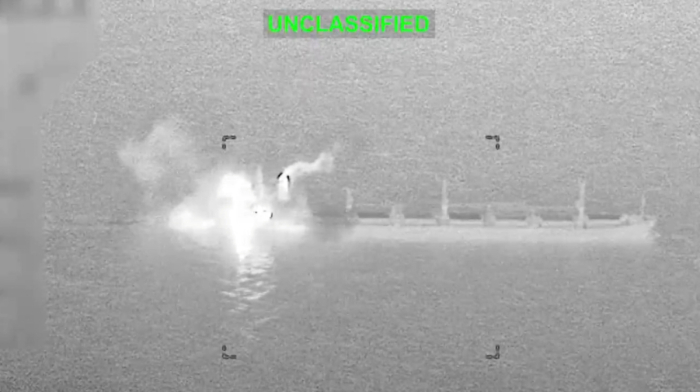
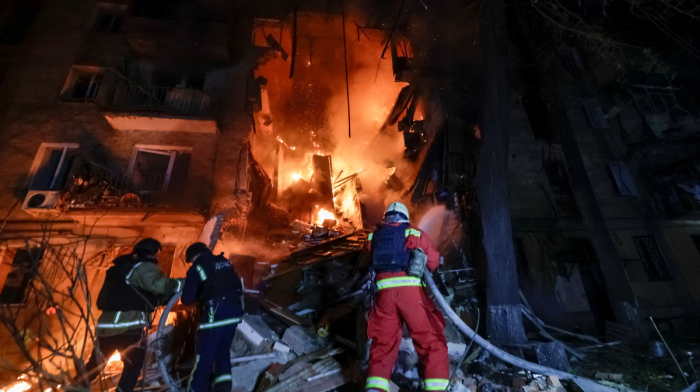
Russian forces struck Ukraine’s southern port city of Odesa for a second consecutive day on Saturday (13 December), deploying Kinzhal hypersonic missiles for the first time in the conflict, Ukrainian authorities said.
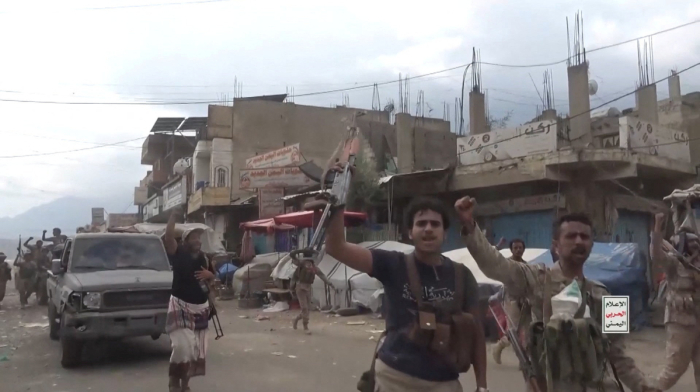
Street clashes broke out for a second night in the Tunisian city of Kairouan after a man died following a police pursuit, raising fears of wider unrest as the country nears the anniversary of the 2011 revolution.
Turkish Foreign Minister Hakan Fidan says international cooperation is essential for Syria’s recovery as investment slowly begins to return despite the scale of destruction after years of conflict.
Thailand’s caretaker Prime Minister Anutin Charnvirakul said on Saturday that Thai forces would continue military action along the Cambodia border until Bangkok believes there is no longer a threat to Thai territory or civilians.
U.S. stock markets closed lower at the end of the week, as investors continued to rotate out of technology shares, putting pressure on major indices.
EU foreign policy chief Kaja Kallas has warned that without concrete concessions from Russia, such as limiting its military forces or curbing its defence budget, new conflicts could erupt elsewhere, even if Ukraine receives security guarantees.
You can download the AnewZ application from Play Store and the App Store.
What is your opinion on this topic?
Leave the first comment