Start your day informed with AnewZ Morning Brief: here are the top news stories for 13th July, covering the latest developments you need to know.
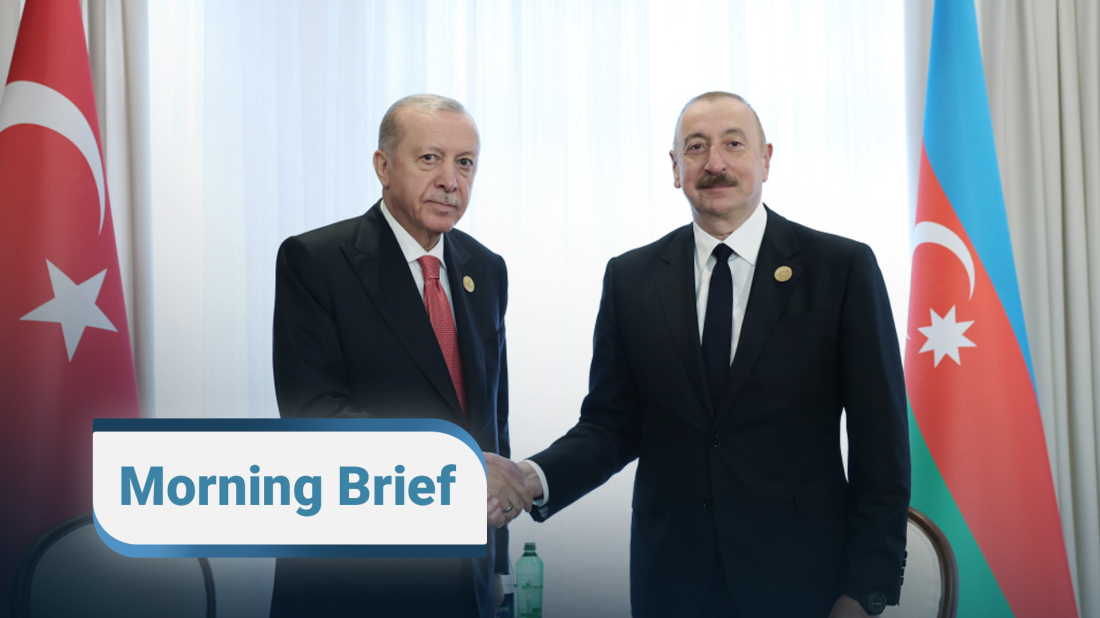
1. Erdoğan, Aliyev discuss ties and security across South Caucasus
President Recep Tayyip Erdoğan and Azerbaijani President Ilham Aliyev held a phone call to discuss bilateral relations and regional developments, with Erdoğan reaffirming Türkiye’s commitment to closer cooperation and lasting peace in the South Caucasus. Erdoğan also emphasised that the Terror-Free Türkiye initiative would enhance regional stability, a goal Aliyev strongly supported.
2. New Caledonia to gain more autonomy under French deal
France has announced a new autonomy agreement for New Caledonia, proposing the creation of a “state of Caledonia” within the French Republic and recognising a distinct Caledonian nationality. While hailed by President Macron as historic, the deal faces criticism for not fulfilling the Kanak people’s long-standing demand for full independence.
3. Israeli and Syrian officials hold a rare meeting in Baku
Israeli and Syrian officials held a rare in-person meeting in Baku during Syrian President Ahmed al-Sharaa’s visit, focusing on Israel’s military activities in Syria. Though unconfirmed publicly by either side, the discreet talks suggest a tentative step toward regional coordination amid evolving diplomatic dynamics.
4. North Korean leader Kim reaffirms support for Russia in Ukraine conflict
North Korean leader Kim Jong Un pledged unconditional support for Russia’s actions in Ukraine during a meeting with Foreign Minister Sergei Lavrov in Wonsan, as both countries held strategic talks to deepen their alliance. The visit underscored growing military and political ties, with Pyongyang reportedly providing troops, arms, and reconstruction aid to support Moscow’s war effort.
5. Hungary's opposition flags "New Deal" to kickstart stagnating economy
Hungarian opposition leader Péter Magyar has unveiled a “Hungarian New Deal” aimed at reviving the economy through large-scale investment, anti-corruption measures, and improved public services if his Tisza party wins next year’s election. As Tisza leads in opinion polls, the plan positions Magyar as the strongest challenger to Prime Minister Viktor Orbán in over a decade.










What is your opinion on this topic?
Leave the first comment